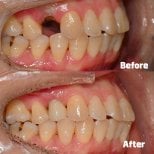
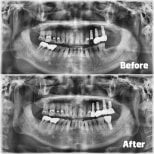
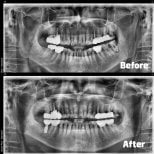
韓国の歯科インプラントとは?
歯科インプラントは、失われた歯を補うために顎の骨に埋め込む人工の歯根です。その上にクラウン(被せ物)やブリッジを装着することで、噛む機能と見た目を回復させます。
韓国における歯科インプラントの特徴:
- 生体適合性に優れたチタンやジルコニアを使用しており、骨と安全に結合するため、拒絶反応や炎症のリスクが低減されます。
- Osstem(オステム)やDentium(デンティウム)といった世界トップクラスのメーカーによって製造されています。
- 3Dガイド下手術などの高度なデジタル技術を用いて埋入されます。
最も重要な点として、韓国のインプラントは長持ちするように作られており、研究によると約97%が10年後も完全に機能していることが示されています。
歯科インプラント治療に最適な候補者は?
歯科インプラント手術の理想的な候補者は、以下のような方です:
✔ 1本以上の歯を失っている方。
✔ インプラントを支えるのに十分な顎の骨がある方(または骨移植やサイナスリフトの適応がある方)。
✔ 良好な口腔衛生状態と健康な歯茎を維持している方。
✔ 重度の糖尿病や活動性の癌など、コントロールされていない疾患がなく、健康状態が良好な方。
✔ 喫煙していない方、または治癒期間中に禁煙する意思がある方。
なぜ韓国で歯科インプラントを受けるのか?
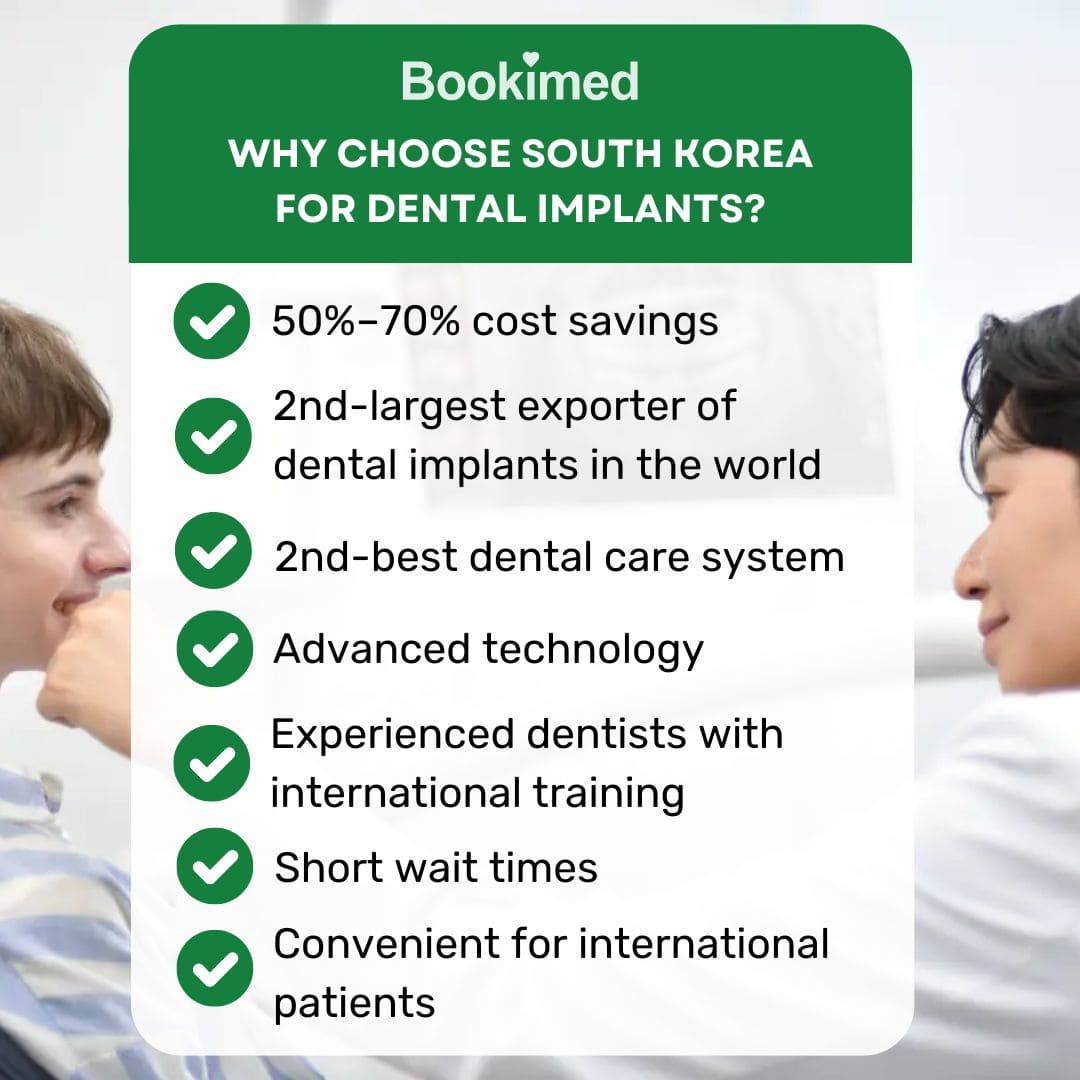
1. 手頃な歯科インプラント費用
韓国でのインプラント費用は約1,000〜2,000ドルですが、欧米諸国では2,000〜6,000ドルかかります。渡航費を含めても、総費用は50%〜70%安くなることが一般的です。
2. 歯科インプラントにおける世界的な専門知識
韓国は世界で2番目に大きな歯科インプラント輸出国です。Dentium、Megagen、Osstemといった、70カ国以上で使用されているインプラントシステムの拠点となっています。
3. 世界最高水準の歯科医療システム
Journal of Dental Health, Oral Disorders & Therapy誌の研究によると、韓国の歯科医療システムは世界第2位です。米国、英国、カナダ、オーストラリアよりも効果的であるとされています。
4. 高度な技術
韓国の歯科クリニックでは、3D CBCTスキャン、デジタル印象採得、コンピュータガイドによるインプラント埋入が日常的に行われています。これらのツールにより、治療はより安全で迅速、かつ正確になります。
5. 経験豊富で熟練した歯科医師
韓国では毎年180万件以上の歯科インプラント手術が行われています。Bookimedと提携しているインプラント専門医は、ジョンズ・ホプキンス大学などの海外機関で研修を受けており、アジアで最も権威のある歯科教育機関の一つである延世大学歯科大学などで教鞭をとっています。
6. 短い待ち時間
米国、オーストラリア、英国では最大18週間待つことも珍しくありませんが、韓国の歯科クリニックでは数日以内にインプラント手術の予約が可能です。
7. 海外患者のためのスムーズな体験
クリニックは医療ツーリズムの受け入れ体制が整っています。英語を話せるスタッフが在籍し、明確な治療計画を提示し、空港送迎や宿泊施設の手配などのロジスティクスをサポートします。プロセスは迅速かつ効率的で、短い旅行期間に収まるように設計されています。
韓国ではどのような種類の歯科インプラントが利用可能ですか?
1. エンドスティール(骨内)インプラント
最も伝統的なインプラントの種類です。顎の骨に直接埋め込まれ、十分な骨量がある患者様に最適です。
2. サブペリオスティール(骨膜下)インプラント
顎の骨が十分に強くなく、骨移植ができない場合に使用されます。骨の上、歯茎の下に設置されます。
3. 頬骨(ザイゴマ)インプラント
上顎の骨が著しく減少している場合、頬骨インプラントは顎の骨ではなく頬骨(ザイゴマ)に固定されます。
4. 全顎歯科インプラント(All-on-4 / All-on-6)
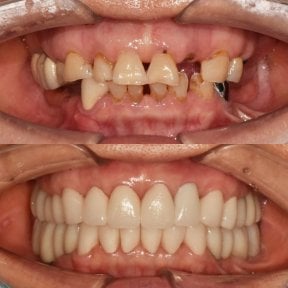
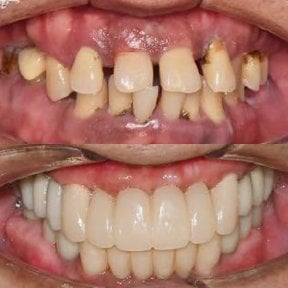
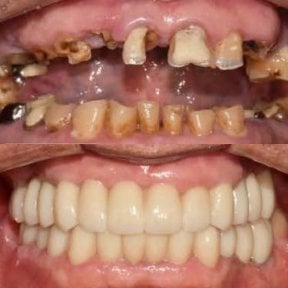
ほとんど、あるいはすべての天然歯を失った患者様向けに、韓国のクリニックでは全顎修復を提供しています。これは4本または6本のインプラントを埋入し、固定式の人工歯アーチを支えるものです。取り外し可能な入れ歯に代わる、安定した長期的な選択肢です。
5. ミニインプラント
直径が小さく(3mm未満)、多くの場合、歯茎を切開せずに1回の来院で埋入可能です。ミニインプラントは、骨が少ない患者様の入れ歯を安定させるのに最適です。ただし、耐久性は低く、奥歯や全顎の交換には推奨されません。
韓国で歯科インプラントを受けるのに最適なクリニックは?
Bookimedのランキングによると、認定資格、医師のトレーニング、患者満足度、高度な技術の使用に基づいた、歯科インプラントのための韓国のトップクリニックは以下の通りです:
| クリニック |
場所 |
特徴 |
推定費用 |
| Yonsei Uline Dental Clinic |
ソウル |
KOIHA認定クリニック。医師は延世大学、NYU、パシフィック大学で研修を受けています。 |
全顎インプラント約13,200ドル〜 |
| S-Plant Dental Hospital |
ソウル(江南) |
ソウル大学卒業生、3D-CT、院内ラボ、アロマセラピーおよびストレスフリーな回復プログラム。 |
韓国製インプラント1本あたり約1,800ドル〜 |
| DIER Dental Clinic |
大田 |
麻酔科医による局所麻酔。18年間で15,000人以上の患者を治療。 |
全顎インプラント約10,000ドル〜 |
| Seoul Today Dental Clinic |
高陽(ソウル近郊) |
米国およびソウル大学で研修を受けた医師。年間16,000人以上の患者。仁川国際空港から30〜40分。 |
1本1,500〜1,800ドル / 全顎9,000〜10,500ドル |
| Gangnam Gentle Dental |
ソウル(江南) |
審美歯科に注力し、3D技術を導入。ミス・コリア・グローバル大会の審査員を務めたキム・ソンホ医師が率いる。 |
韓国製インプラント1本あたり1,000〜2,000ドル |
韓国での歯科インプラント治療はどのように行われますか?
歯科インプラント治療は通常、3〜6ヶ月かけて2回の来院が必要で、その間に治癒期間があります。
➡️ 1回目の来院(2〜3日間)
初回コンサルテーションと3Dスキャンの後、歯科医師が顎の骨にインプラントを埋入します。必要に応じて、この段階で骨移植やサイナスリフトを行います。
➡️ 治癒期間(3〜6ヶ月)
インプラントが骨と結合する「オッセオインテグレーション」というプロセスです。この期間中は仮の入れ歯やクラウンを装着することで、最終的な歯を待つ間も快適に食事や会話ができます。
➡️ 2回目の来院(3〜5日間)
アバットメント(連結部)をインプラントに装着し、その上にクラウンや固定式ブリッジを装着します。噛み合わせを調整して治療完了です。
回復とアフターケアのプロセスはどのようなものですか?
韓国でのインプラント手術後、患者様はすぐに回復します。最初の2〜5日間は軽い腫れ、あざ、不快感があるのが一般的で、鎮痛剤や柔らかい食事で管理します。
良好な口腔衛生が不可欠です:
- 柔らかい毛の歯ブラシで優しく磨くこと。
- 処方された場合は抗菌マウスウォッシュを使用すること。
- フォローアップ検診を受けること。
定期的な歯科検診とクリーニングは、インプラントの脱落や歯茎の炎症などの合併症を防ぎます。
韓国で最適なクリニックと歯科医師を選ぶには?
- 資格を確認する。 KOIHA認定のクリニックや、延世大学やソウル大学などのトップ校で研修を受けた歯科医師を探しましょう。
- 経験について尋ねる。 定期的にインプラント手術を行っている歯科医師を選びましょう。年間何件の手術を行っているか尋ねてみてください。
- 最新技術を探す。 優れたクリニックは、3D CBCTスキャン、デジタル印象採得、ガイド下インプラント埋入を使用しているはずです。
- インプラントブランドを確認する。 OsstemやDentiumといった韓国の最高品質のインプラントを使用しているか、あるいはStraumannのような国際的な選択肢があるかを確認しましょう。
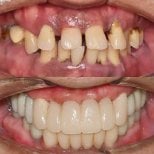
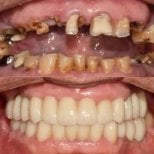
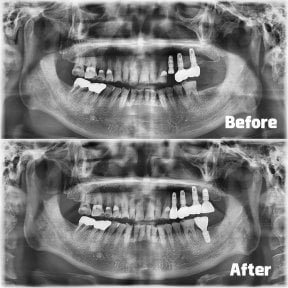
- レビューや患者の写真をチェックする。 実際のビフォーアフターの症例や、海外患者からのフィードバックを探しましょう。
- 医療ツーリズムのサポートを確認する。 海外から来る場合は、クリニックが英語を話せる医療スタッフを配置し、明確な治療計画を提供していることを確認してください。
韓国へ歯科インプラント手術のために渡航する際、何を期待すべきですか?
| カテゴリー |
詳細 |
| ビザ |
ほとんどの欧米の旅行者は90日間のビザなし入国が可能です。 |
| フライト |
米国から:往復600〜800ドル、約13〜14時間。
ヨーロッパから:500〜600ユーロ、約11〜12時間。 |
| 宿泊施設 |
予算重視:1泊50〜100ドル。
中級:1泊100〜200ドル。 |
| 日々の費用 |
食事:1日約40ドル。
公共交通機関:1日約4〜10ドル。 |
| 支払い方法 |
歯科クリニックでは韓国ウォン、Visa/Mastercard、銀行振込、小切手が利用可能です。手数料(1〜4%)がかかる場合があります。 |
| 安全性 |
韓国は世界で最も安全な20カ国の一つです。緊急時は119にダイヤルしてください。 |
💚 ほとんどの歯科クリニックでは、近隣ホテルの割引料金や、追加料金での空港送迎を提供しています。
歯科インプラントの代替手段はありますか?
歯科検診の結果、インプラントが適していない場合は、以下の選択肢を検討できます:
リソース
- Maxillofacial Plastic and Reconstructive Surgery. (2023). A 10-year survival rate of tapered self-tapping bone-level implants from medically compromised Korean patients at a maxillofacial surgical unit.
- Mayo Clinic. (2024). Dental implant surgery.
- The Korea Times. (2024). Exports of dental implants hit all-time high: data.
- Journal of Dental Health, Oral Disorders & Therapy. (2024). Comparison of the oral health status and costs of the provision of dental care in ten high-income countries.