

- アモン・シンハクン医師は、美容皮膚科における再生医療の認定専門医です。
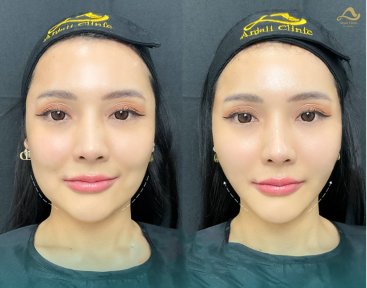
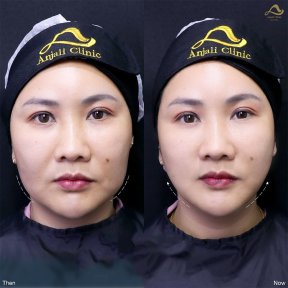
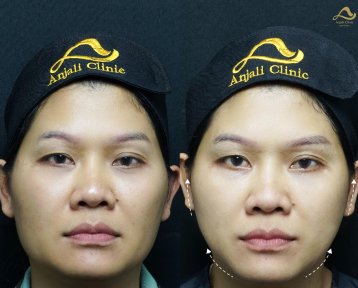
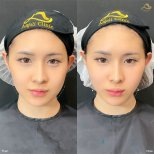
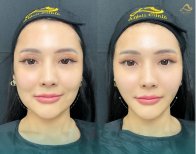
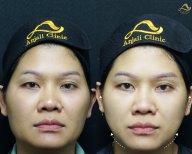
- アンジャリクリニックは、個別に最適化された治療法による皮膚のたるみの引き締めおよびリフトアップを専門としています。
- 費用に含まれるもの:医師による診察、ビデオまたはテキストによる相談。
ナパット医師は、メネス・ウェルネスクリニックにて、個別化されたケアを重視し、顔面美容および抗加齢治療を専門としています。
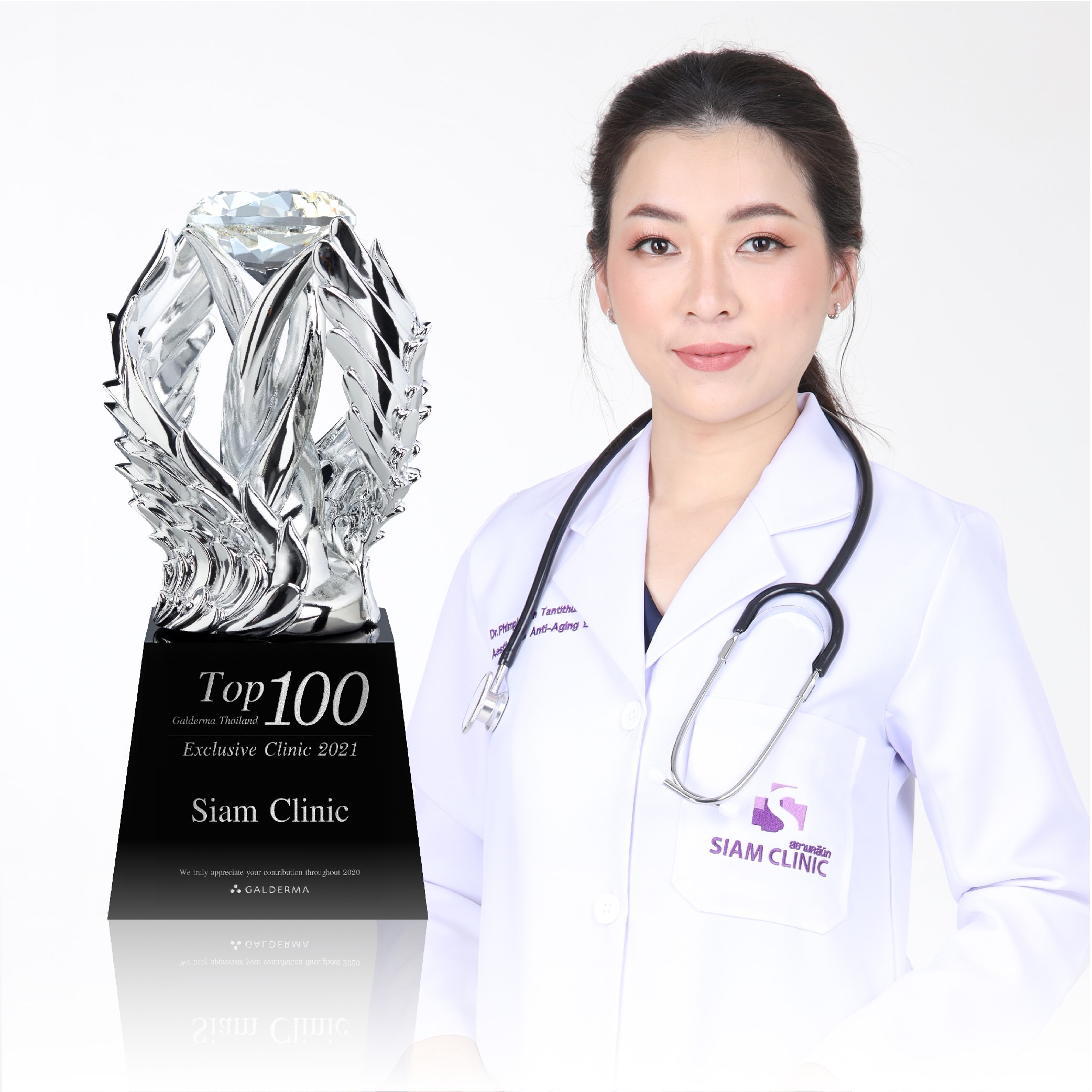
ピンパ・タンタナスリグル医師は、インペリアル・カレッジ・ロンドンおよび順天堂大学での高度な研修を経て、抗加齢治療を専門としています。
Dr. Nutt Chawalitkul is a medical doctor who specializes in preventive medicine, sexual medicine, clinical sexology, and anti-aging medicine. He earned his diplomas from Thammasat University and is certified by the Thai Medical Council. Dr. Nutt is board certified in Anti-Aging and Regenerative Medicine (A4M) and Nutritional Wellness (ANCB). He is also recognized by the International Board of Lifestyle Medicine (IBLM).
He completed a fellowship in Anti-Aging and Regenerative Medicine at Dhurakij Bundit University. He holds certificates in sedation for aesthetic medicine, genomics medicine, gerontology, and hair restoration using the FUE technique. Dr. Nutt is a member of ISHRS, AAHRS, and Asia FUE. These memberships highlight his expertise in hair restoration surgery.
Dr. Karin Kulwacharamongkon is a general practitioner and an aesthetic and anti-aging physician. She has more than six years of experience in non-surgical facial rejuvenation. She practices at Icellare Clinic in Bangkok (2025–present). Her work focuses on integrative and preventive care. She creates personalized plans using EECP, micronutrient therapy, and lifestyle medicine.
Education and credentials include: Certificate in Preventive Medicine (Community Mental Health, 2025). M.Sc. in Health Science Education, Mahidol University (2024). M.D., Ubon Ratchathani University (2017). Ph.D. in Anti-Aging and Regenerative Medicine in progress.
Training includes hands-on IPL, mesotherapy, fillers, thread lifting, and botulinum toxin (2019). Advanced filler techniques and complication management (2020). Allergan Medical Institute programs (2022–2023). Chelation therapy (2019). IV nutrition (2025). ASLS (2025). She served as an Instructor of Medicine from 2018 to 2025. Her research focused on medical student burnout.
Recovery after hyaluronic acid thread lifting in Thailand typically takes 5 to 7 days for visible side effects like swelling or bruising to subside. Most patients return to desk work within 48 hours, though full internal tissue integration requires approximately 2 to 4 weeks.
Bookimed Expert Insight: Thailand's high humidity and tropical heat can cause hyaluronic acid threads to dissolve faster if you do not stay cool. Doctors like Akkavich Harnnavachok at Siam Clinic Phuket suggest remaining in air-conditioned environments for the first 7 days. This prevents localized swelling and ensures the Aptos threads stay securely anchored during the critical integration phase.
Patient Consensus: Patients report feeling significant facial tightness for up to 3 weeks, though most cover minor bruising with makeup by day 5. Staying propped up while sleeping is the most common tip to prevent the threads from shifting or causing discomfort.
HA threads differ from standard PDO threads by prioritizing skin hydration and elasticity over structural lifting. While PDO threads create a fibrous capsule for tightening, HA-infused options like Aptos threads use hyaluronic acid to stimulate Type 3 collagen and provide immediate moisture to the dermis.
Bookimed Expert Insight: Technical data shows that Thai clinics often utilize Aptos threads because they bridge the gap between lifting and skin quality. While PDO is excellent for jawline definition, the Aptos HA formulation available at centers like Anjali Clinic allows for a more subtle, hydrated look that requires fewer immediate touch-ups compared to basic PDO sutures.
Patient Consensus: Patients note that HA threads feel softer and more natural shortly after the procedure. Many choose them for the added safety of being dissolvable with hyaluronidase if the volume looks too prominent.
HA threads prioritize deep hydration and skin quality by converting into a gel-like consistency, while traditional PDO threads focus on mechanical lifting through structural support. Choosing HA threads provides a lower-inflammatory, reversible option that integrates into tissue with minimal risk of visibility in thin skin areas.
Bookimed Expert Insight: While PDO threads are the standard for jawline `snatching,` Thai clinics like Anjali Clinic frequently utilize Aptos HA threads for subtle rejuvenation. Our data shows that HA threads serve as a safer middle ground for patients with high skin sensitivity, as they naturally degrade into hydrating gel without the risk of permanent tissue integration seen with some structural sutures.
Patient Consensus: Patients value HA threads as a gentler, reversible alternative to PDO, noting that any dissatisfaction can be quickly corrected with hyaluronidase. Many report significantly less bruising, describing the experience as similar to a heavy filler session with only 3–5 days of swelling.
Hyaluronic acid thread lifting in Thailand provides an immediate visible lift, though initial results often appear overcorrected or tight. Patients should expect significant swelling and puffiness, particularly around the cheeks, as the hyaluronic acid component begins to absorb water during the first 48 hours.
Bookimed Expert Insight: While many providers globally use standard PDO threads, Thai clinics like Siam Clinic Phuket frequently utilize HA-hybrid threads. These specific threads cause 20% to 30% more initial swelling due to natural water retention. Choosing a clinic that offers Swiss face scanning, such as Dr. Chen Clinic, helps ensure threads are placed at depths that minimize visible nodules during this inflammatory phase.
Patient Consensus: Patients report looking like a chipmunk for the first 3 days due to the tropical heat worsening the swelling. They recommend sleeping elevated and using green concealer to manage the initial redness and local bruising.
Recovery for hyaluronic acid threads lifting in Thailand typically lasts 7 to 14 days for initial healing. Most patients manage swelling and bruising within the first 3 to 5 days and safely return to work after 1 week. Full facial rejuvenation results generally stabilize over 1 to 3 months.
Bookimed Expert Insight: While many clinics offer quick sessions, Thailand's high humidity can actually prolong visible swelling compared to drier climates. Choosing a clinic like Siam Clinic Phuket or Anjali Clinic ensures access to specialists trained in Korean suspension techniques. These methods often result in more predictable 1-week recovery timelines for international travelers.
Patient Consensus: Patients emphasize that while you can fly home after 5 days, you should pack ice packs and arnica. Staying indoors and avoiding the Thai heat for the first week is crucial for managing initial inflammation.
After receiving hyaluronic acid threads like Aptos in Thailand, avoid facial massages, sleeping on your stomach, and strenuous exercise for 14 days. These activities can cause threads to shift or pucker. Skip saunas, hot yoga, and direct sun exposure for 7 days to prevent swelling and ensure proper integration.
Bookimed Expert Insight: Data from top-rated clinics like Siam Clinic Phuket shows that doctors often emphasize a 48-hour `no-fly` rule. While the procedure is minimally invasive, cabin pressure changes can significantly worsen swelling. Choosing a clinic with high volume, such as ID Clinic Bangkok with 4,000 annual patients, ensures you receive practitioners accustomed to managing international recovery timelines effectively.
Patient Consensus: Patients emphasize the importance of gentle cleansing and tracking daily photos. Many found that staying propped up during sleep for the first week was the most effective way to manage initial discomfort and swelling.
Leading specialists for HA thread lifts in Thailand include Dr. Phatcharasak Kraisornphongsakul at ID Clinic Bangkok, who has performed over 20,000 procedures, and Dr. Phimphakarn Tantithummawong at Siam Clinic Phuket. These experts utilize Aptos 3-in-1 hyaluronic acid threads for non-surgical facial rejuvenation and contouring.
Bookimed Expert Insight: While many clinics offer PDO threads, specialists in Phuket and Bangkok currently favor Aptos 3-in-1 HA technology. Data shows doctors like Dr. Akkavich Harnnavachok combine these with Tesslift Soft mesh. This lattice approach provides more structural support than standard single-thread applications.
Patient Consensus: Patients note that HA threads provide natural-looking facial rejuvenation. Many recommend pairing the procedure with fillers to improve the volume and longevity of the results.
Top clinics for HA thread lifting in Thailand are concentrated in Bangkok and Phuket, featuring specialized centers like Anjali Clinic and Siam Clinic Phuket. These facilities utilize advanced Aptos HA threads to provide immediate structural lifting alongside long-term skin rejuvenation through hyaluronic acid biostimulation.
Bookimed Expert Insight: While many clinics offer standard thread lifts, the highest patient satisfaction in Thailand correlates with clinics using Swiss 3D design software. Centers like Dr. Chen Surgery Hospital use this technology to map facial anatomy before insertion. This precision helps avoid common issues like dimpling or asymmetrical results often seen in manual-only placements.
Patient Consensus: Patients report that HA threads offer a more natural, subtle lift compared to heavier alternatives. Many recommend scheduling procedures outside the humid summer months to ensure the most comfortable initial recovery period.