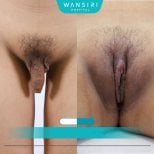
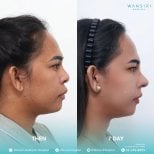
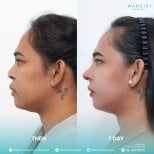
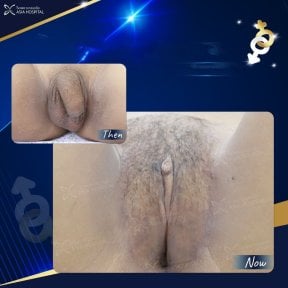
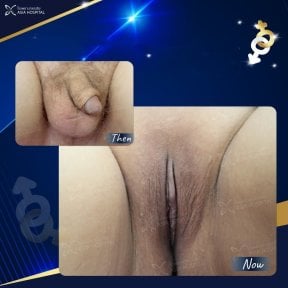
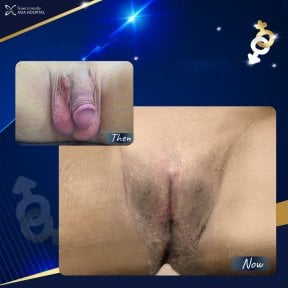
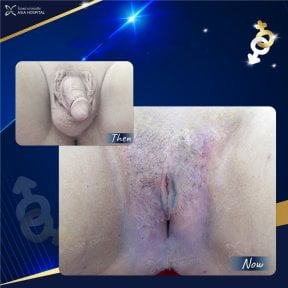
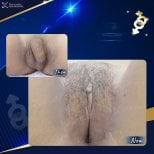
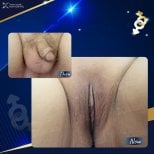
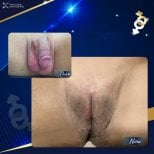
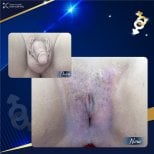
性別適合手術(SRS)を受ける場所を選ぶことは、費用と同じくらい「信頼」が重要です。未知の要素は、費用そのものよりも大きな負担に感じられるかもしれません。タイは、この種のケアにおいて世界有数の目的地として静かに定着しており、そのクリニックの多くはバンコクに集中しています。Bookimedのデータによると、タイでのMTF(男性から女性への)手術費用は13,700ドル〜15,000ドルです。これは、米国で支払う32,000ドル〜60,000ドルと比較して53%〜77%も安価です。国別の費用比較を見ると、その節約額がいかに大きいかがわかります。
あなたの解剖学的構造と深さの目標に合う膣形成術のテクニック
包茎である、ペニスが短い、あるいは長年ホルモン療法を受けている場合、膣の深さは切実な問題です。その答えは、あなたの解剖学的構造と執刀医の技術によって決まります。陰茎反転法(Penile-inversion vaginoplasty)は最も一般的なアプローチであり、その手術結果は20年にわたる症例シリーズで文書化されています。
テクニック別の深さ
| テクニック | 一般的な深さ | 適した対象 | 自己潤滑性 |
|---|
| 陰茎反転法 | 5〜6インチ | 一般的な解剖学的構造 | なし |
| 反転法+皮膚移植 | 6〜7インチ | 包茎または短い解剖学的構造 | なし |
| S状結腸法 | 7〜9インチ | 最大の深さが必要な場合 | あり |
あなたの出発点となる解剖学的構造に最適な方法
標準的な陰茎反転法では、平均5〜6インチの深さが得られ、ほとんどの患者に適しています。包茎である、またはペニスが4インチ未満の場合は、皮膚が不足している可能性があります。その場合、執刀医は陰嚢の皮膚や鼠径部の皮膚を移植して補います。
タイの一部のプロトコルでは、解剖学的構造が小さい場合でも6〜7インチを目指します。陰嚢の皮膚に加え、オプションで鼠径部の皮膚移植を行い、これには約900ドルの追加費用がかかることが記録されています。陰茎以外の組織を使用して膣管と小陰唇を再建することは、公表された研究でも裏付けられている、認められた外科的アプローチです。S状結腸法による膣形成術は、腸の一部を使用して膣管を形成するため、7〜9インチという最大の深さを実現します。
ホルモン療法の履歴も重要です。抗アンドロゲン薬を長期間使用すると、利用可能な性器組織が萎縮することがあります。最良の審美的結果と最大の深さを得るには、これらの薬の使用を数年間中止している患者が適しています。
電気脱毛を予約する前にクリニックの脱毛プロトコルを確認する
多くの患者は、渡航前に数ヶ月間の電気脱毛が必要だと思い込んでいます。実際には、脱毛のルールはクリニックごとに異なります。そのため、正しい答えは選択する執刀医によって完全に異なります。これを事前に確認することで、無駄な出費を抑えることができます。
| 事前に電気脱毛が必要なクリニック | 手術中に脱毛を行うクリニック |
|---|
| 陰茎反転手術の6〜12ヶ月前から集中的な電気脱毛が必要(性器の皮膚にはレーザー脱毛が不十分とされるため) | 手術中に毛包を手作業で除去し、毛のない膣管を実現する方法を採用 |
この違いは非常に大きいです。一方のプロトコルでは事前の数ヶ月間の電気脱毛を求め、もう一方ではその方法にとって不要かつ不快であるとして、事前の性器脱毛を推奨していません。また、確認すべき現実的な理由もあります。事前の電気脱毛は陰嚢の皮膚を厚くしたり傷つけたりする可能性があり、その結果、弾力性が低下し、得られる深さが制限されることがあります。
結論:電気脱毛を開始する前に、クリニックの脱毛プロトコルを書面で入手してください。コーディネーターに依頼すれば、セッションの料金を支払う前に、選択したクリニックの正確な要件を確認できます。
現代の膣形成術において執刀医が感覚とオーガズムを維持する方法
患者が最も知りたいと思いながらも、最も聞きにくい質問は「快感を感じられるようになるか」ということです。安心材料として、執刀医は意図的に感覚を設計しています。現代の技術では、神経が豊富な特定の組織を新しい構造の特定の部位にマッピングします。20年にわたる外科的レビューには、クリトリスの感覚がどのように維持されるかが正確に記録されています。
- 新しいクリトリスは、約8,000個の神経終末を持つ、最も神経が密集した性感帯であるペニスの亀頭から形成されます。
- 神経終末は、感覚を広げるために小陰唇や新しい尿道プレートに沿って再配置されます。
- 前立腺液を分泌する小さな腺が尿道の近くに配置され、興奮時に自然な潤いをもたらします。
- 一部の執刀医は、より深いGスポットのようなゾーンを再現するために、前立腺の表面近くに膣管を構築します。
クリーブランド・クリニックは、膣形成術によって性的感覚とオーガズムに達する能力が維持されることを確認しています。神経が再生するにつれて、通常6〜12ヶ月かけて完全な性的感覚が発達します。初期のしびれは予想される一時的なものです。Bookimedの検証済みレビュー全体で、患者は結果を4.78/5と評価しており、早期からしっかりとした外科的基盤が得られたと述べています。
結腸法における「自己潤滑」の真の意味
潤滑のメリット
結腸法は、毎日のメンテナンスを避けたい患者に選ばれています。S状結腸の移植片は自然な粘液を生成するため、多くの患者は性交時に潤滑剤をほとんど、あるいは全く必要としません。これが他の方法よりも検討される主な理由です。
「メンテナンスが少ない」とは言えますが、「メンテナンス不要」ではありません。
メンテナンスのルーチン
- 粘液の分泌量は個人差があり、湿り気や臭いの原因となる可能性があるため、クリニックは簡単な洗浄ルーチンを提供しています。
- そのルーチンは通常、余分な粘液を洗い流し、膣管の臭いを防ぐための毎日の洗浄です。
- 徹底した腸の準備(手術前の透明な液体と下剤の摂取)により、腸の合併症のリスクを低減します。
このテクニックは、選択肢の中で最も回復に時間がかかります。最大の深さや自己潤滑性を必要とする患者のために用意されています。事前のルーチンを知ることで、そのトレードオフが自分の生活に合うかどうかを判断できます。参考までに、ワンシリ病院(Wansiri Hospital)での21泊のオールインクルーシブS状結腸パッケージは約13,700ドルです。
より穏やかな代替案:腹膜プルスルー法
回復期間を抑えつつ自然な潤いを求めるなら、腹膜プルスルー法を知っておく価値があります。結腸の一部を移動させる代わりに、執刀医は腹膜(腹部内の臓器を覆う薄い膜)で新しい膣管を裏打ちします。これは結腸法と同様に、軽度の自然な潤いを生み出します。実際の違いは手術方法にあります。これはキーホール手術(腹腔鏡手術)であり、いくつかの小さな切開から行われます。腸の一部を切除しないため、治癒すべき腸の接合部がなく、回復が容易で腸の問題のリスクも低くなります。ワンシリ病院での腹膜プルスルー法の滞在費用は約21,300ドルです。
適格性を決定する医学的基準
厳格な適格性チェックは品質の証です。優れたクリニックは、あなたが航空券を購入した後ではなく、手術前に安全な候補者であることを確認します。特にJCI認定病院は、標準化された術前スクリーニングに従います。これらの基準は、評判の良い執刀医が適用するフレームワークであるWPATH基準の医学的準備基準に準拠しています。
BMIと体重制限
体重制限は、治癒を守るためにテクニックによって異なります。一般的なカットオフは、腹膜プルスルー法でBMI 30未満、開放型S状結腸法で26未満です。一部の開放型結腸プロトコルでは、基準が23.5と低く設定されています。BMIが高いと、傷の治りが遅くなったり、感染症や血栓のリスクが高まったりするため、執刀医はその理由で基準を設定しています。
年齢と法的要件
一部のクリニックでは55歳以上の患者を受け入れていません。タイの法律では、最低年齢は親の同意がある場合は18歳、単独で進める場合は20歳です。現在のWPATH基準では、手術前に一定期間のホルモン療法や性役割での生活を必須とはしていませんが、一部のクリニックでは依然としてこれらの基準を使用しています。
開示すべき健康状態
- HIV陽性の患者には、結腸法やS状結腸膣形成術が提供されない場合がありますが、多くのクリニックが皮膚反転法では受け入れています。
- HIV陽性患者の皮膚反転法には、使い捨て器具の使用により30%〜50%の追加料金がかかることがよくあります。
- 慢性大腸炎、クローン病、または主要な腹部手術の既往歴がある場合は、結腸法およびプルスルー法は対象外となります。
これらの基準を早期に自分のプロフィールと照らし合わせてください。コーディネーターによる簡単な確認で、渡航を予約する前に適格性を確認できます。
滞在の計画:ホルモンの中止時期、喫煙、および23〜30日の最低滞在期間
旅の計画は、ホルモンをいつ止めるか、ニコチンをいつ止めるか、そしてどれくらい滞在するかという3つの要素で決まります。タイミングを正しく合わせることは、安全性と結果の両方を守ることにつながります。以下は、ほとんどのクリニックが従うカウントダウンです。
渡航前
- 4〜6週間前: 喫煙とニコチンを完全に中止してください。ニコチンは血管を収縮させ、新しい組織の治癒を妨げる可能性があります。クリーブランド・クリニックは、喫煙を膣形成術の治癒における阻害要因として挙げています。
- 2〜4週間前: 血栓リスクを下げるためにエストロゲンを中止します(経口剤は約2週間前、注射剤は4週間前)。内分泌専門医の助言に従い、手術の1〜4週間後に再開してください。
この手術において、2週間前から喫煙を減らすだけでは不十分です。完全な禁煙が安全な基準です。
滞在期間
クリニックは、帰国許可を出す前に約23〜30日の最低滞在期間を求めています。医療休暇は手術日ではなく、この全期間に合わせて計画してください。パッケージもこれを反映しています。ワンシリ病院での21泊のS状結腸滞在は約13,700ドルです。アジア・コスメティック病院(Asia Cosmetic Hospital)の米国専門医による14泊のパッケージは約12,400ドルです。
早期帰国が危険な理由
主要な骨盤手術後の移動制限と長時間の帰国フライトは、深部静脈血栓症(脚の血栓)のリスクを高めます。許可が出る前の飛行は、機内の気圧により腫れを悪化させます。陰茎反転膣形成術後の泌尿器および傷の治癒に関する文献は、クリニックが回復期間を強制する理由そのものです。待機することは、安全性だけでなく、結果を守ることにもつながります。この期間を利用して休暇を計画し、渡航前にフォローアップの手配をしてください。
承認レターと帰国後のケアの準備
手術そのものよりも計画を狂わせる実務的な問題が2つあります。書類の不備と、帰国後のケア体制が整っていないことです。どちらも渡航前に簡単に解決できます。WPATHのケア基準(SOC)は、保険会社が補償を判断する際の評価基準を定義しています。
保険会社が実際に求めるレター
- SOC 8ではクリニックの要件がメンタルヘルス専門家からの1通のレターに引き下げられましたが、多くの保険会社は依然として2通を求めるSOC 7に従っています。
- 土壇場での拒否を避けるため、理想的には博士号レベルの、ライセンスを持つ2名のメンタルヘルス専門家から2通の紹介状を用意してください。
- クリニックの要件に関係なく、保険会社は依然として12ヶ月間のホルモン療法の証明を求める場合があります。
これらは、クリニックが設定するものと保険会社が設定するものの2つの別々の要件です。SOC 7とSOC 8のギャップは、書類による拒否の最も一般的な原因です。渡航前に、クリニックと保険会社がどの基準を適用しているかを確認してください。
渡航前に手配すべきケア
メイヨークリニック・プレスが説明するように、回復期間を通じて一貫したダイレーション(拡張)ルーチンが重要です。患者は治癒中に新しい膣管を開いた状態に保つため、決められたスケジュールでダイレーターを優しく挿入します。
- 帰国後に骨盤底筋の理学療法士を確保してください。初期のダイレーションは不随意な筋肉の緊張を引き起こす可能性があり、セラピストがそれを緩和します。ダイレーションの困難さを予測する研究もこのステップを支持しています。
- タイを出国する前に、手術記録とダイレーションのプロトコルを書面で完全に入手してください。
- 帰国後もケアが途切れないよう、治癒を監視してくれる臨床医を手配してください。
Bookimedの患者が最も価値を感じているのは、このエンドツーエンドの調整です。レビューアは、最初の質問からフォローアップまでの送迎、スケジュール調整、書類手続きについて、コーディネーションを5/5と評価しています。