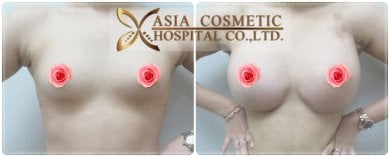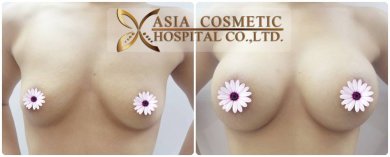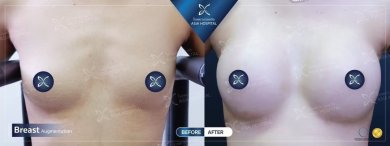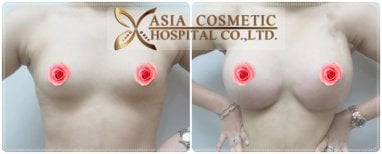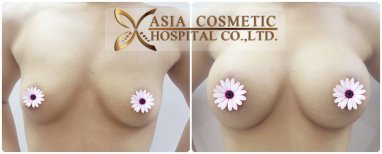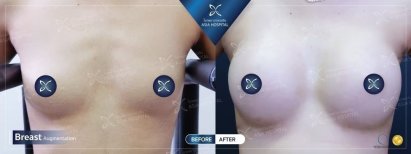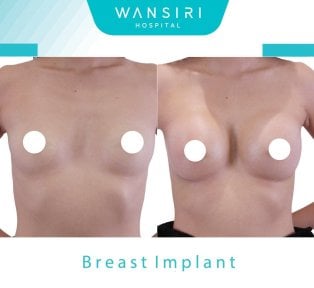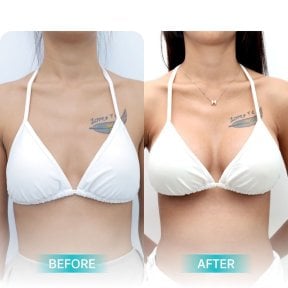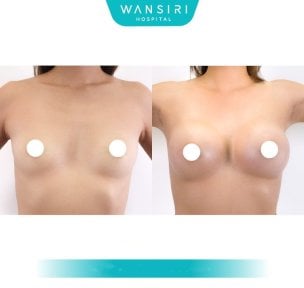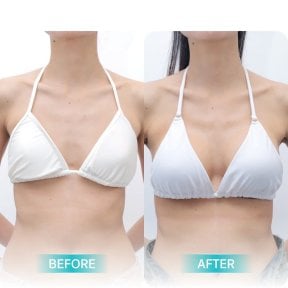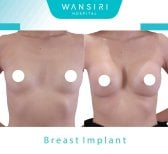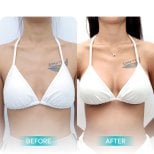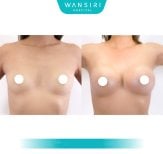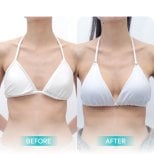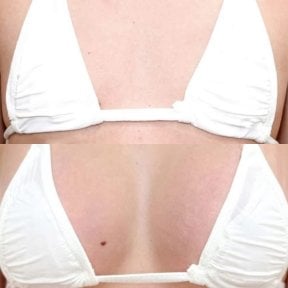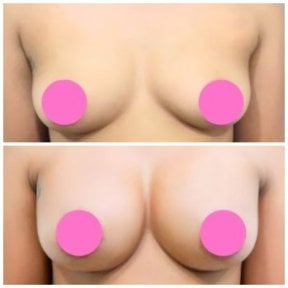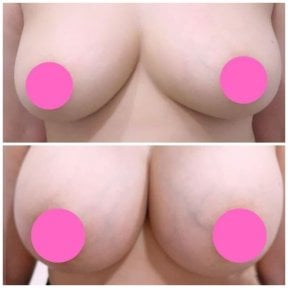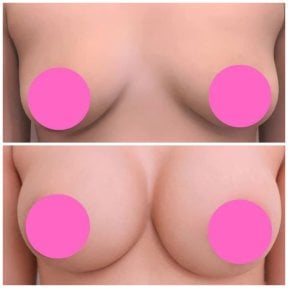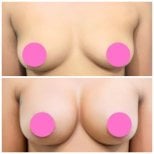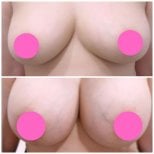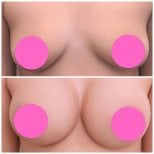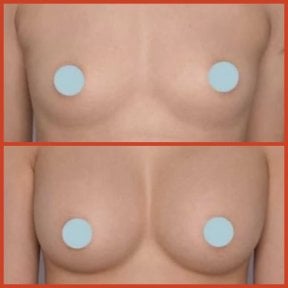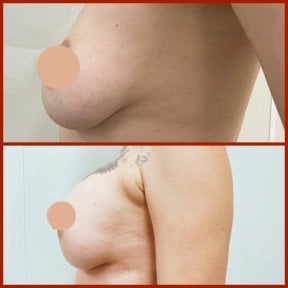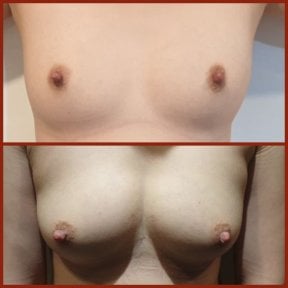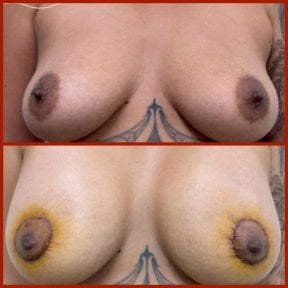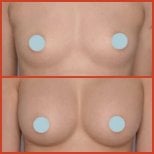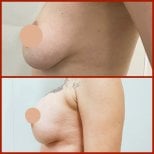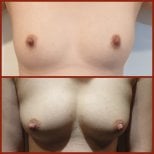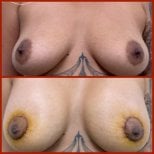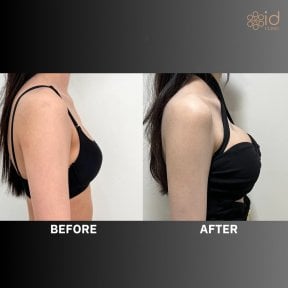
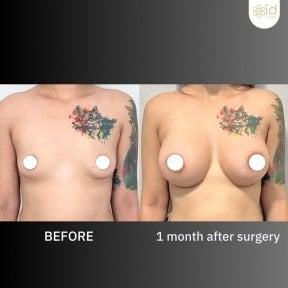
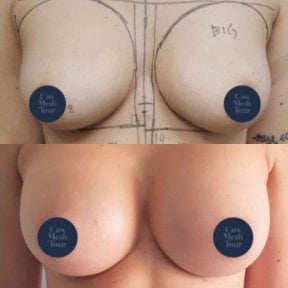
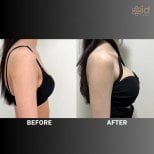
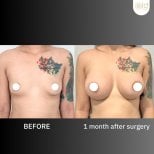
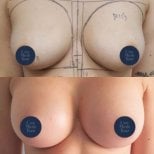
Breast augmentation in Thailand is generally safe with experienced surgeons. However, patients must consider risks like capsular contracture, implant malposition, and infection. Success depends on choosing JCI-accredited facilities and surgeons with high procedural volumes. This is important because revision surgery in Australia can be complex and expensive.
- Surgical complications: Haematoma, seroma, and scarring are possible during the early healing phase.
- Implant-specific issues: Risks include rupture, rotation, or capsular contracture where tissue hardens around implants.
- Revision logistics: Correcting asymmetry or malposition often requires returning to Thailand for specialist care.
- Travel-related risks: Long-haul flights shortly after surgery increase risks of swelling and deep vein thrombosis.
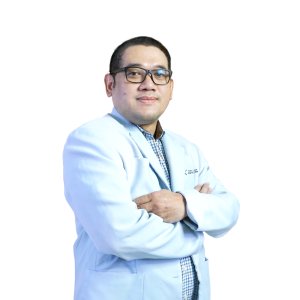
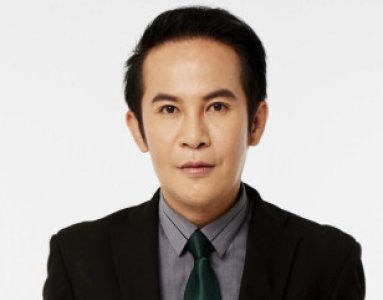
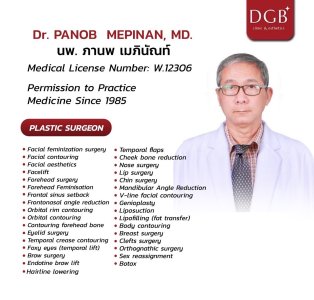
Bookimed Expert Insight: Thailand’s leading surgeons often have immense experience. Dr Phatcharasak Kraisornphongsakul has performed over 20,000 procedures. High-volume specialists like this typically have lower complication rates. However, patients should check that their package includes at least 7 days of local recovery. This allows surgeons to monitor for early signs of infection before the flight home.
Patient Consensus: Patients in Thailand appreciate surgeons who provide 3D modelling to prevent size misunderstandings. Recovering in a hotel for 6–11 days helps manage moderate pain. It also ensures normal nipple sensitivity before travel.