リハビリテーション科
| 治療 | |
|---|---|
| 作業療法 | お問い合わせください |
| 水治療法 | お問い合わせください |
| 小児リハビリテーション | お問い合わせください |
| 起立訓練 | お問い合わせください |
| リハビリテーション(ロコマット) | お問い合わせください |
| トレッドミルを用いたリハビリテーション | お問い合わせください |
| 入院リハビリテーション | お問い合わせください |
| 外来リハビリテーション | お問い合わせください |
| 脳性麻痺児のリハビリテーション | お問い合わせください |
| 神経リハビリテーション | お問い合わせください |
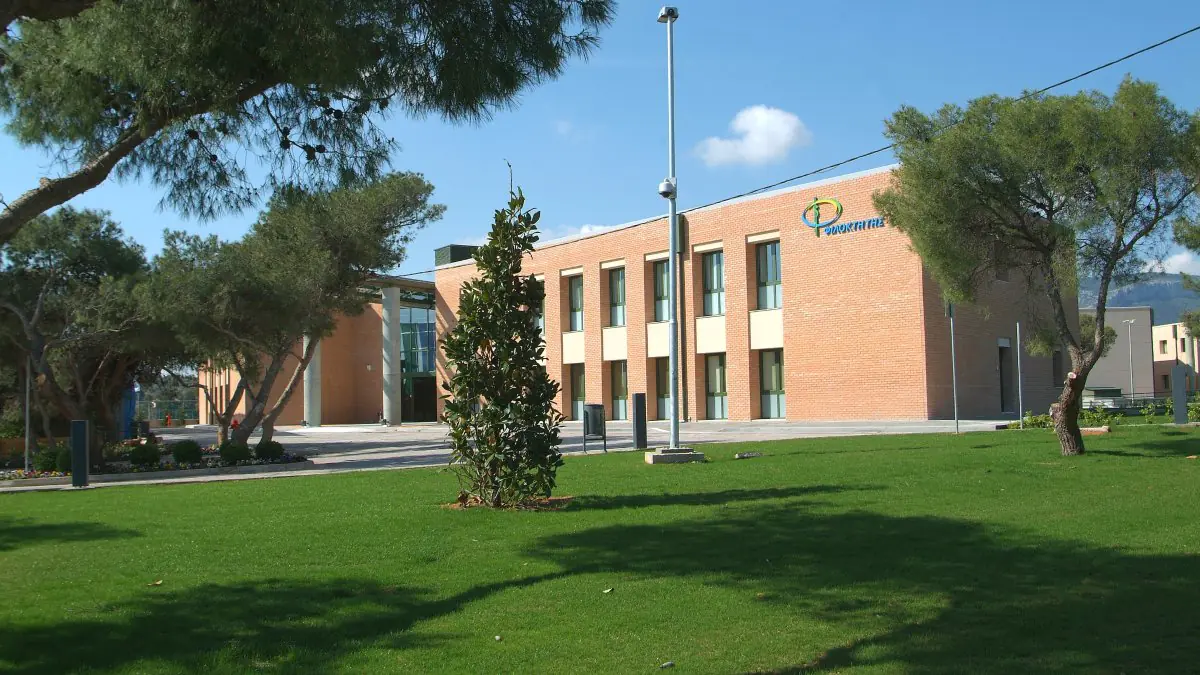
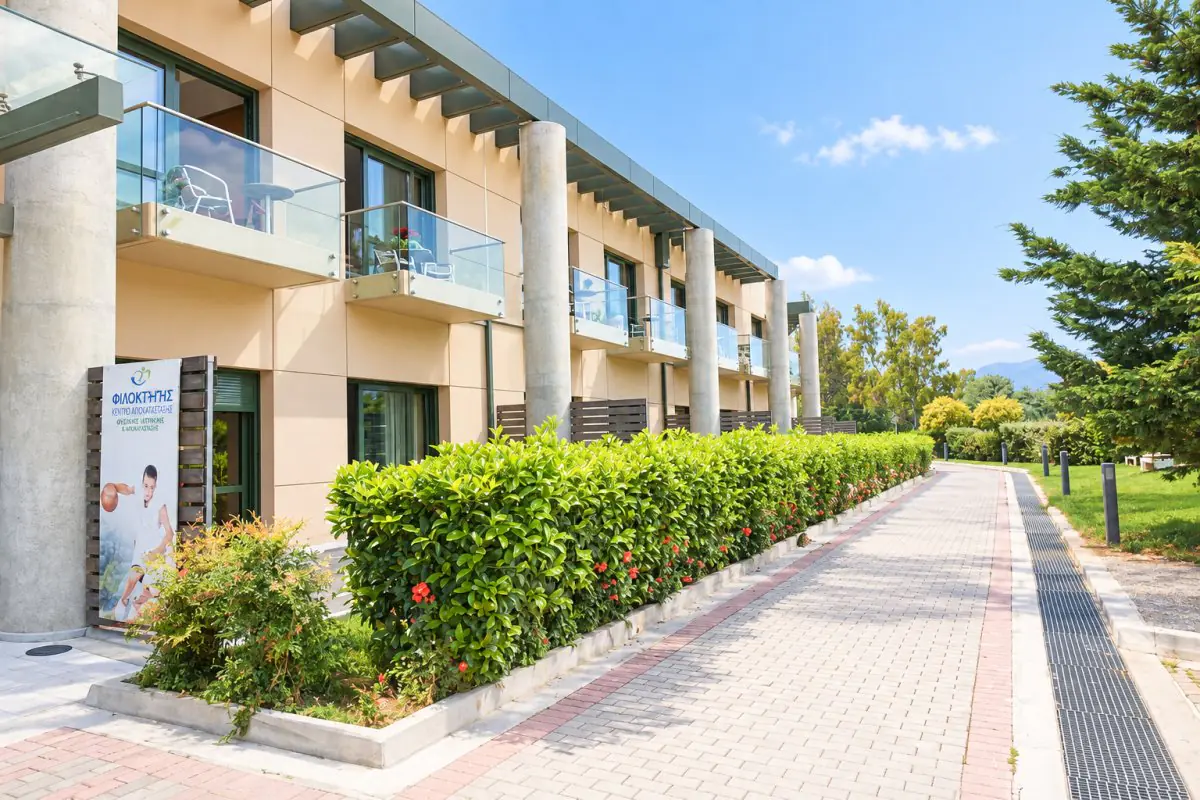
Blocks Rehab FILOKTITIS is a recovery center in Koropi, Greece. It treats adults and children for neurological and orthopedic conditions. The center has operated since 2007. The facility covers 75,000 square meters and has 125 beds. It features two internal pools and ten treatment rooms. The medical team provides both inpatient and outpatient care.
The center holds ISO 9001 and TUV HELLAS accreditation. Specialists use Lokomat and ERIGO robotic systems for gait retraining. The clinic also offers non-invasive vagus nerve stimulation for neurological recovery. Advanced regenerative treatments include Platelet Rich Plasma and Autologous Conditioned Serum. Hydrotherapy programs follow international Halliwick Principles for muscle strengthening. An International Patients Department helps with medical transfers and financial planning.


 クリニックが新規リクエストを受け付けていません
 平均回答時間 — 5分
| 治療 | |
|---|---|
| 作業療法 | お問い合わせください |
| 水治療法 | お問い合わせください |
| 小児リハビリテーション | お問い合わせください |
| 起立訓練 | お問い合わせください |
| リハビリテーション(ロコマット) | お問い合わせください |
| トレッドミルを用いたリハビリテーション | お問い合わせください |
| 入院リハビリテーション | お問い合わせください |
| 外来リハビリテーション | お問い合わせください |
| 脳性麻痺児のリハビリテーション | お問い合わせください |
| 神経リハビリテーション | お問い合わせください |
Blocks Rehab FILOKTITIS is a private rehabilitation and recovery center in Koropi, Greece.
The facility has operated since 2007. It features 125 beds across a 75,000-square-meter complex.
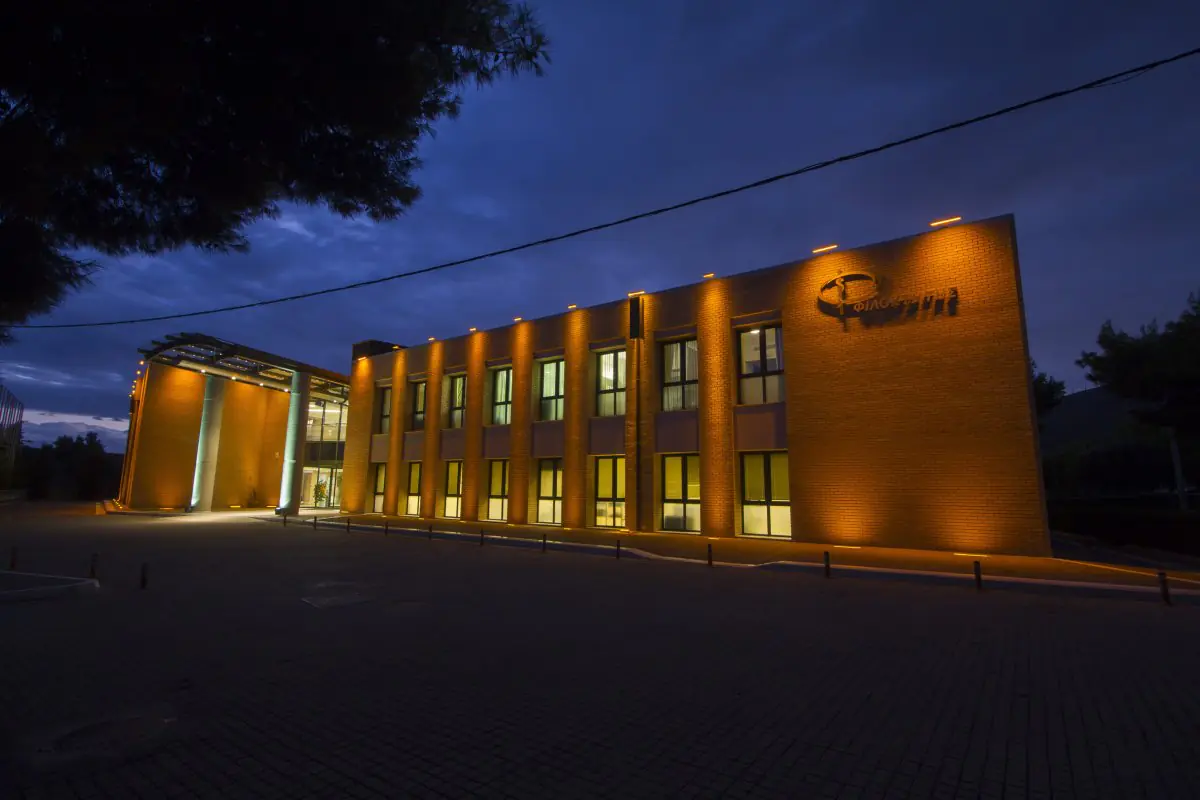
The center contains one main building. This supports both inpatient and outpatient care.
The center holds official accreditation from TUV HELLAS and operates under ISO 9001 certification guidelines.
An interdisciplinary medical team creates every treatment plan. Specialists continually review each patient's functional status. This tracking helps therapies adapt to individual recovery needs.
The center treats several categories of conditions:
The medical team designs specialized rehabilitation protocols. Patients can also receive acupuncture treatments.
The speech therapy department manages communication and swallowing disorders. Specialists use FEES – fiberoptic endoscopy – to evaluate swallowing. This test helps doctors plan treatments for dysphagia.
Occupational therapy improves functional independence for daily activities. These protocols focus on upper extremity skills. The department uses the LOTCA system to evaluate cognitive function.
The center provides regenerative orthobiological treatments. These include Platelet Rich Plasma (PRP) therapy and Autologous Conditioned Serum (ACS).
Doctors prepare PRP from the patient's own blood. Platelet growth factors support cell multiplication and tissue regeneration.
The clinic processes these products in an advanced laboratory. This facility follows General Manufacturing Products regulations to keep cellular therapies safe.
Patients can participate in hydrotherapy sessions. Water buoyancy supports movement and strengthens weakened muscles. The clinic features two internal pools for these exercises.
The clinic operates a dedicated unit called FILOKTITIS 4kids. This department supports children and teenagers with individualized plans. The pediatric team includes a physiatrist, physical therapists, and nurses.
The unit provides several pediatric outpatient services:
Children participate in specialized hydrotherapy. This method follows the internationally accepted Halliwick Principles and Water Specialized Treatment (WST) protocols.
The pool floor adjusts from 50 centimeters to 1.50 meters. This allows safe walking exercises based on a child's height. Sessions include gaming exercises to help children adjust to water.
The center provides flexible care options based on medical necessity. Patients can receive care through inpatient or outpatient structures.
The facility includes a specialized High Dependency Room. This unit accommodates complex cases, such as patients with a tracheostomy. These individuals can receive hydrotherapy directly from the high dependency unit.
Day care pathways extend rehabilitation without a hospital stay. This suits patients who do not need continuous medical monitoring.
The center uses robotic technology for movement retraining and gait. Specialists use the Lokomat® robotic rehabilitation device. This system provides highly repetitive, physiological movement training.
The clinic uses the ERIGO® platform for early mobilization. Patients can train with the Exopulse Mollii Suit to reduce spasticity. The AlterG® anti-gravity treadmill supports gait training.
For neurological recovery, the clinic offers Transcutaneous Vagus Nerve Stimulation (tVNS). This non-invasive approach applies mild electrical stimulation to the outer ear. The stimulation activates the vagus nerve to influence neural networks, so it supports learning, recovery, and autonomic function.
The speech department uses Visi-Pitch™ technology for voice analysis.
The clinic operates a dedicated International Patients' Department. Staff help foreign visitors feel comfortable during their stay. The department processes patient data early to avoid delays.
Coordinators prepare a detailed financial offer before arrival. The team provides clear information about the facility.
To assist families, the team arranges international medical transfers. These transport patients to and from their home countries.
Staff provide emotional support throughout hospitalization. If new problems arise, the department delivers immediate solutions.
The center offers psychological support to help patients participate in rehabilitation. This care involves relatives and the medical team working together.
 クリニックが新規リクエストを受け付けていません
平均回答時間 — 5分
クリニックが新規リクエストを受け付けていません
平均回答時間 — 5分