脳神経外科
| 診断 | |
|---|---|
| MRI検査結果の見直し | $100 |
| 脳神経外科相談 | $100 |
| 治療 | |
|---|---|
| 椎間板ヘルニア摘出術 | $6000 - $15000 |
| 椎間板ヘルニア手術 | $6000 - $15000 |
| キアリⅠ型奇形手術 | $6000 - $15000 |
| 椎弓切除術 | $6000 - $15000 |
| 椎間板切除術 | $6000 - $15000 |
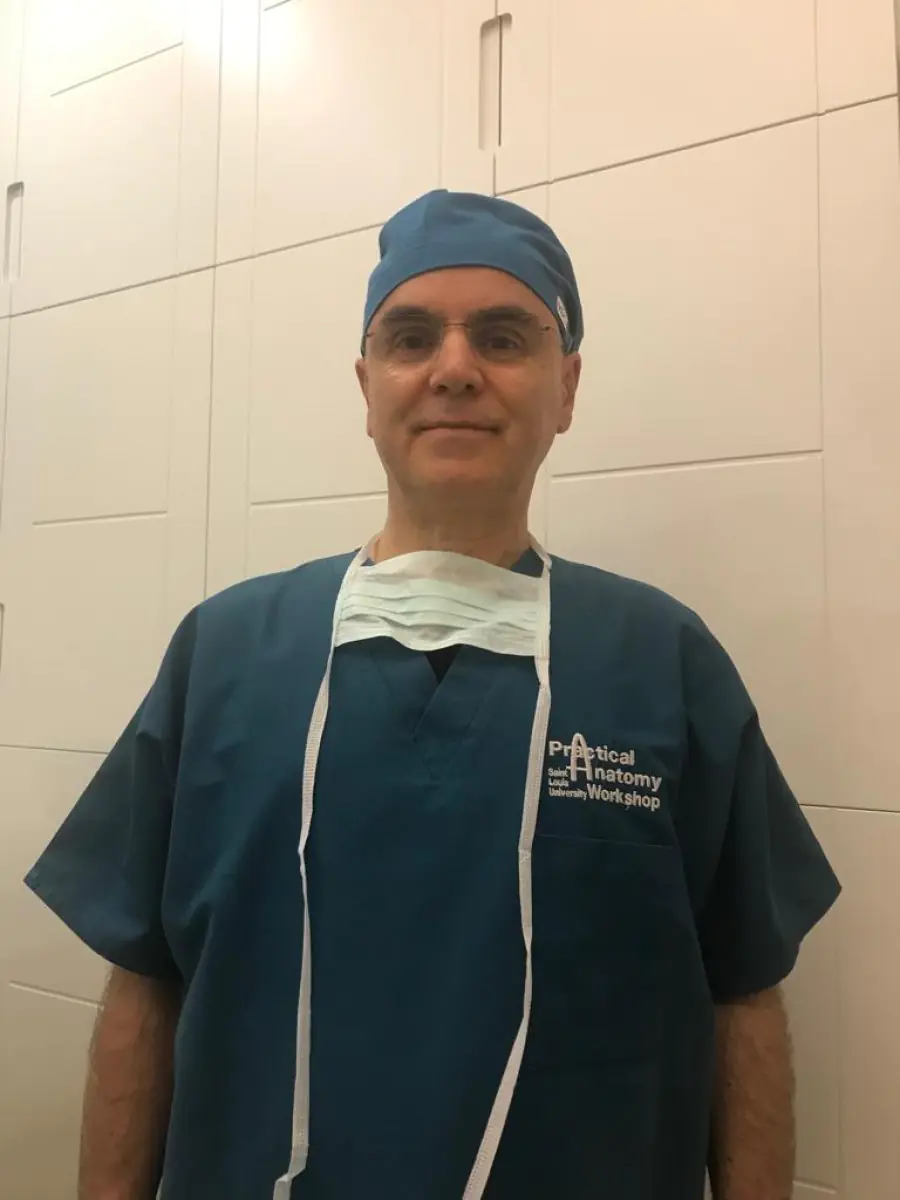
アフメット・ユルドゥズハン医師は、トルコのイスタンブールで脳神経外科クリニックを運営しています。当クリニックは、脊椎外科、腰椎椎間板ヘルニア、脊柱管狭窄症に特化しています。ユルドゥズハン医師はハーバード大学で大学院研修を修了しました。彼は米国脳神経外科医協会の国際フェローです。当クリニックは、腰椎椎間板ヘルニア手術において99%の成功率を報告しています。2014年、ケンブリッジの国際伝記センターにより、世界の医療専門家トップ100に選出されました。
マイクロサージャリー(顕微鏡下手術)は通常、1日の入院が必要です。ほとんどの患者は手術当日または翌日に歩行可能です。回復により、3週間以内に日常生活に戻ることができます。診断サービスには、MRI、CTスキャン、X線撮影が含まれます。チームは英語、ロシア語、アラビア語、ドイツ語に対応しています。


 クリニックが新規リクエストを受け付けていません
 平均回答時間 — 5分
| 診断 | |
|---|---|
| MRI検査結果の見直し | $100 |
| 脳神経外科相談 | $100 |
| 治療 | |
|---|---|
| 椎間板ヘルニア摘出術 | $6000 - $15000 |
| 椎間板ヘルニア手術 | $6000 - $15000 |
| キアリⅠ型奇形手術 | $6000 - $15000 |
| 椎弓切除術 | $6000 - $15000 |
| 椎間板切除術 | $6000 - $15000 |
アフメット・ユルドゥズハン医師は、いくつかの名誉ある称号と国際的な評価を受けています。彼は米国脳神経外科医協会の国際フェロー(IFAANS)です。彼の経歴には、アンカラ大学での医学教育と、ギュルハネ軍医アカデミーでの脳神経外科専門研修が含まれます。また、ハーバード大学で大学院研修を修了しました。
2014年、ケンブリッジの国際伝記センターにより、IBC世界の医療専門家トップ100に選出されました。また、ケンブリッジ尊敬される知識人勲章の創設メンバーでもあります。ユルドゥズハン医師による科学的研究は、主要な医学教科書や出版物で引用されています。
当クリニックでは、マイクロサージャリー技術を用いてさまざまな脊椎疾患を治療しています。医療チームは、いくつかの主要分野に焦点を当てています:
腰椎椎間板ヘルニアについて、当クリニックは約99%の成功率を報告しています。外科医は、顕微鏡下およびマイクロ内視鏡下椎間板切除術を用いてヘルニア組織を除去します。この方法により、患者は手術当日または翌日に立ち上がり、歩くことができます。
脊柱管狭窄症は、マイクロテクニカル内部減圧術によって治療されます。このアプローチは、ネジや金属プレートを使用せずに、脊柱管を内側から広げます。異物となる器具の使用を避けることで、手術の複雑さを軽減しています。ほとんどの患者は、わずか1日の入院で済みます。
正確な診断は、詳細な患者の病歴と身体検査から始まります。その後、クリニックは画像診断を使用して、脊椎の状態の段階と場所を確認します。利用可能な診断ツールは以下の通りです:
MRIは、椎間板ヘルニアの正確な段階を特定する上で重要な役割を果たします。チームはこれらの画像を使用して、手術か保存的治療かを決定します。患者が初期段階にある場合は、運動や休息などの非外科的選択肢が推奨されます。
当クリニックは、回復プロセス全体を通じて国際的な患者に構造化されたガイダンスを提供します。術後の指示には、創傷ケアと身体活動に関する特定のプロトコルが含まれます。患者は退院後約1週間で腰椎ベルトを自分で外します。抜糸の必要がないため、患者は手術後すぐに自宅で入浴できます。
回復には、日常生活活動の段階的な増加が含まれます。ほとんどの患者は1〜3週間以内に通常の生活に戻ります。リハビリテーション運動は手術の3ヶ月後に開始されます。この遅延により、身体的負荷を増やす前に脊椎が治癒するための十分な時間が与えられます。当クリニックは、英語、ドイツ語、アラビア語、ロシア語でのサポートを提供しています。
 クリニックが新規リクエストを受け付けていません
平均回答時間 — 5分
クリニックが新規リクエストを受け付けていません
平均回答時間 — 5分