耳鼻咽喉科
| 治療 | |
|---|---|
| 扁桃摘出術 | お問い合わせください |
Qingdao Kaitai ENT & Head and Neck Surgery Hospital is a private specialist center in Qingdao, China. The facility focuses on ENT care, head and neck surgery, and dentistry. It runs a Children's Health Management Center for young patients. The team treats conditions like enlarged adenoids and allergic rhinitis. A Children's Face Management Center is also on-site.
The hospital opened in 2007. Its key feature is a green-channel day-surgery model. Patients can be admitted, operated on, and discharged the same day. Surgeons perform endoscopic plasma procedures for tonsils and adenoids. The facility has 300 beds and spans over 50,000 square meters. The team includes 14 doctors and other specialists.


 クリニックが新規リクエストを受け付けていません
 平均回答時間 — 5分
| 治療 | |
|---|---|
| 扁桃摘出術 | お問い合わせください |
The hospital was selected for a National Clinical Key Specialty Construction Project in 2011. It passed the national acceptance process for this project in 2018. The facility also supports medical research and clinical training through academic partnerships.
Specialists at the hospital hold various professional credentials:
The hospital runs a day-surgery "green channel" for faster patient care. This pathway allows same-day admission, surgery, and discharge for select ENT procedures. It cuts waiting times and avoids unnecessary treatments.
Surgeons use plasma minimally invasive surgery for several common conditions:
Dr. Huang Guojian leads the dedicated anesthesia team. Other key specialists include hospital founder Dr. Xu Xin and Dr. Zhang Daliang, a medical professor and doctoral supervisor.
Pediatric services run through two units: the Children's Health Management Center and the Children's Face Management Center. These address developmental and respiratory conditions in young patients. Specialists manage enlarged adenoids and provide preventive dental care.
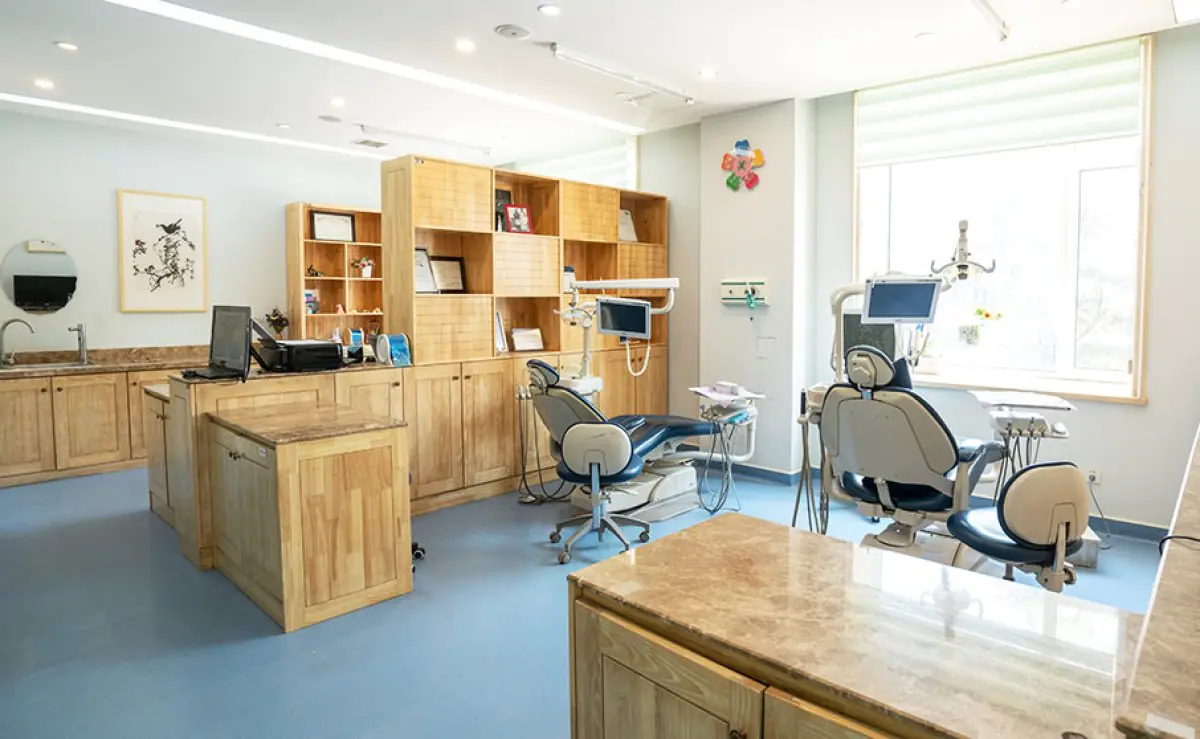
The dental department focuses on orthodontics and restorative treatments. Dr. Tang Mingguang serves as lead attending physician for oral health. The team holds certifications in root canal therapy and implant dentistry.
The hospital uses endoscopic technology for diagnosis and surgery. These tools let doctors view internal structures of the ear, nose, and throat. Diagnostic options include:
Plasma technology is the main tool for minimally invasive tissue ablation. This method allows precise surgery while protecting surrounding healthy tissue. A second building phase expanded the facility to over 50,000 square meters.
The hospital offers a coordinated workflow for international patients. This covers outpatient diagnosis, treatment planning, and admission guidance. Staff complete all clinical checks before surgery.
After a procedure, patients receive discharge instructions for medication and home care. Follow-up visits track recovery progress. Patients must bring identification and any prior medical reports to the initial consultation.
 クリニックが新規リクエストを受け付けていません
平均回答時間 — 5分
クリニックが新規リクエストを受け付けていません
平均回答時間 — 5分