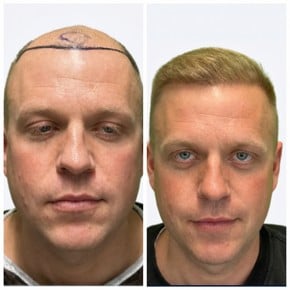
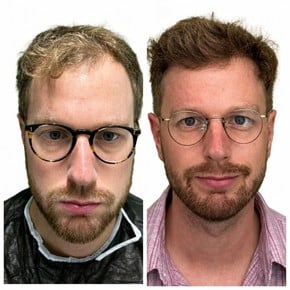
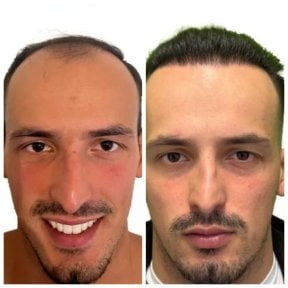
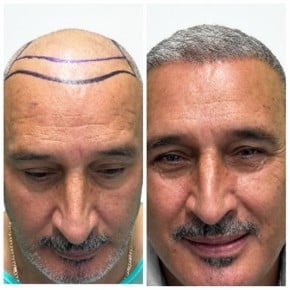
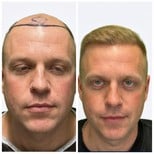
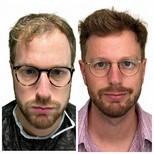
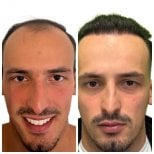
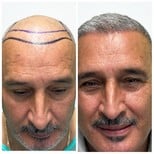
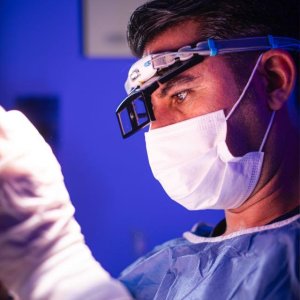
Alpha Beauty Hannoverは、個別化された治療計画によるFUE植毛を専門としています。施術費用は通常1,900ドルから2,300ドルです。ビラル・エルベイ医師は、ハノーバー医科大学で研修を受け、神経学の専門知識と毛髪再生を組み合わせています。臨床研究プロジェクトに参加しており、PubMedにインデックスされた論文も発表しています。当クリニックは、自然な仕上がりと海外からの患者様の安全を重視しています。
から $2,600
ドイツのクリニックでは通常、初回カウンセリング、局所麻酔、自毛植毛手術、すべての手術材料、術後の薬、および少なくとも1回のフォローアップ予約が含まれています。米国では、価格はグラフト単位で提示されることが多く、麻酔、薬、またはフォローアップケアが含まれていない場合があります。選択したクリニックに何が含まれているかを必ず確認してください。
| ドイツ | トルコ | アメリカ | |
| 自毛植毛術 | から $2,600 | から $1,500 | から $4,000 |
| 自毛植毛術 | ≈ $3,800 | から $1,700 | ≈ $9,500 |
| 自毛植毛術 | ≈ $5,000 | から $1,500 | から $5,000 |
| 女性自毛植毛術 | ≈ $3,800 | から $1,700 | から $5,000 |
| 前頭部女性自毛植毛術 | ≈ $4,800 | から $1,400 | ≈ $6,500 |
Bookimedは自毛植毛術価格に追加料金を加算しません。料金はクリニックの公式価格表から来ています。到着時にクリニックで自毛植毛術代を直接お支払いいただきます。
Bookimedはお客様の安全に取り組んでいます。自毛植毛術で高い国際基準を維持し、世界中の国際患者サービスに必要なライセンスを有する医療機関とのみ協力しています。
Bookimedは無料専門サポートを提供します。専属医療コーディネーターが治療前、治療中、治療後にサポートし、あらゆる問題を解決します。自毛植毛術の旅路でお一人になることはありません。
Alpha Beauty Hannoverは、個別化された治療計画によるFUE植毛を専門としています。施術費用は通常1,900ドルから2,300ドルです。ビラル・エルベイ医師は、ハノーバー医科大学で研修を受け、神経学の専門知識と毛髪再生を組み合わせています。臨床研究プロジェクトに参加しており、PubMedにインデックスされた論文も発表しています。当クリニックは、自然な仕上がりと海外からの患者様の安全を重視しています。
1日目
2日目
3日目
4日目
第1週〜第2週
第3週〜第4週
第5週〜第12週
6ヶ月目〜12ヶ月目
注意:各症例は個別であり、追加のセッションまたは処置が必要となる場合があります。クリニックは植毛手術に対して生涯保証を提供しています。宿泊は4つ星ホテルにてご用意しております。
世界的な医療ツーリズムプラットフォームであるBookimedは、ドイツでの自毛植毛を検討されているお客様に対し、専門的なサポートと信頼できる医療ソリューションを提供することで、あらゆる状況において最適な支援をお約束します。スマート自動ランキングシステムを使用して透明性の高いクリニックリストを作成しており、データサイエンティストがAIを活用して正確性を細かく管理しています。当プラットフォームでは、治療を受けた実際の患者様によるレビューを公開することで、情報の信頼性を保証しています。Bookimedは包括的な医療ソリューションを提供し、クリニックからの最新情報を通じて信頼性を確保しています。ドイツでの自毛植毛に関するコンテンツは、経験豊富な医療ライターが作成し、専門家が監修しており、Bookimedの編集ガイドラインを遵守しています。これは、高品質で明確な健康情報を提供するという当プラットフォームのコミットメントを反映したものです。詳細やご質問については、marketing@bookimed.comまでお気軽にお問い合わせいただくか、当社の詳細やミッションについてはこちらをご覧ください。
ビラル・エルベイ医師は、ハノーファーのAlpha Beauty & Aestheticsに勤務するドイツ認定医です。毛髪再生と美容医療を専門としています。エルベイ医師は、ドイツのトップ機関であるハノーファー医科大学で臨床研修を修了しました。彼は強力な科学的背景を美容医療の実践に統合しています。
ワリド・エルジャブ医師は、3つの専門医認定を持つ希少な外科医であり、Esthétique du Nordにおいて比類のない解剖学的精度で植毛手術を提供しています。
植毛後の皮膚の初期回復には、通常7日から14日かかります。この期間の終わりまでに、かさぶたは自然に剥がれ落ち、新しい移植毛が頭皮にしっかりと定着するため、患者はほとんどの軽い日常生活やデスクワークを再開できるようになります。
Bookimedの専門家の意見: 多くの人が手術そのものに注目しますが、Alpha Beauty Hannoverのようなドイツのクリニックでは、術後のケアを重視しています。彼らのパッケージには、組織の初期回復を促進するための特別な洗髪サービスやPRP療法が含まれていることがよくあります。これらの追加ケアは、かさぶたをより早く取り除き、最初の1ヶ月間によく見られる持続的な赤みを軽減するのに役立ちます。
患者のフィードバック: 最初の1週間は目立つ腫れと突っ張り感がありますが、多くの患者は予想よりも痛みが少ないと感じています。10日目頃にかゆみが生じるのが一般的ですが、患者は移植毛を傷つけずにかさぶたを取り除くには、優しく洗髪することが鍵であると強調しています。
ドイツでは、免許を持つ医師(approbierter Arzt)のみが植毛手術を行う法的権利を有しています。植毛専用の免許は存在しませんが、ドイツの法律では、医師が重要な外科的ステップを個人的に行うことが義務付けられています。これには、受容部位への切開やヘアラインのデザインが含まれ、これらの作業を技術者に委任することはできません。
Bookimedの専門家意見: ドイツの法律は、他の多くの人気のある目的地よりも権限の委任に関して厳格です。Alpha Beauty Hannoverのようなクリニックは3,500ドルから5,250ドルのパッケージを提供していますが、真の価値は医師の監督にあります。3つの委員会から認定を受けたWalid Eljabouのような一流の外科医は、技術者が主導するクリニックと比較してリスクを最小限に抑える広範な再建経験を持っています。
患者のコンセンサス: 患者は、技術者が切開を行い、医師が監督のみを行うクリニックはすべて「危険信号」であると強調しています。ドイツでの成功は、手術を開始する前に、どの専門家が採取と移植を担当するかを正確に確認することにかかっています。
ドイツでは、毛包単位抽出法(FUE)、ダイレクト植毛(DHI)、サファイアFUEなど、高度な育毛・植毛技術が提供されています。専門センターでは、ARTASシステムを用いたロボット支援移植、従来の毛包単位移植(FUT)、および欧州の厳格な医療基準に準拠したオーガニック植毛サービスも提供されています。
Bookimedの専門家の意見:Alpha Beauty Hannoverのようなドイツのクリニックは、神経学などの医学的知識を育毛プロトコルに統合することがよくあります。この医学的専門知識への重点は、グラフト数の保守的な計画を確実にします。これにより、将来的に処置が必要になる可能性のある患者にとって不可欠な、ドナーエリアからの過剰な採取を防ぐことができます。
患者のコンセンサス:患者は、法的責任を確保するために、技術スタッフではなく医師が直接行う処置を高く評価しています。多くの患者は、攻撃的な1日手術よりも、自然な外観を維持するために、より少ないボリュームで段階的なセッションを行うことを好みます。
ドイツの規制は、患者の権利に関する法律を通じて患者を保護しており、完全なインフォームド・コンセントを義務付け、医療記録への法的アクセスを保証しています。重大な過失が発生した場合、立証責任はサービス提供者に転嫁されます。刑法に基づく厳格なデータプライバシー法により、医療情報の無断開示は刑事罰の対象となります。
Bookimedの専門家の意見:ドイツの規制は、現地の紛争解決プロセスにより強力なセーフティネットを提供しています。法的保護が困難な医療ツーリズム拠点とは異なり、Alpha Beauty Hannoverのようなドイツのクリニックは、厳格な国家衛生監査の下で運営されています。外科医は多くの場合、トリプル認定を受けたWalid Eljabou医師のように、複数の認定資格を保持しています。この規制環境により、外来での植毛手術であっても、病院レベルの安全基準を満たしていることが保証されます。
患者のコンセンサス:患者は、術後のチェックアップのためにドイツ国内で容易にフォローアップケアを受けられることを高く評価しています。また、技術者を監督するだけでなく、外科医自身がグラフトの採取を直接行う外科医を見つけることの重要性を強調しています。
ドイツでの植毛手術後の術後ルールは、移植片を保護し、頭皮の治癒を促進して最大限の毛髪密度を確保することを目的としています。患者は数日間、移植部位に触れたり、掻いたり、こすったりすることを避ける必要があります。基本的な回復プロトコルには、頭を高くして寝ることや、医師が推奨する優しい洗髪方法の実践が含まれます。
Bookimedの専門家の意見: Alpha Beauty Hannoverのようなドイツのクリニックでは、PRPセッションや専門的な洗髪など、特別な術後ケアをパッケージに含めることがよくあります。これらの処置は回復プロセスを大幅に加速させます。TÜV NORD認証を受けた施設の正確な投薬計画に従うことで、正常な脱毛期においてもドイツの高い安全基準を満たすことが保証されます。
患者の体験談: 多くの患者は最初の洗髪を心理的にストレスに感じますが、慎重に行うことが成功の鍵であると強調しています。一時的な腫れが額に移動することを想定し、移植片への損傷を防ぐために、小さなかさぶたを早急に取り除かないようにしてください。
ドイツの公的医療保険で植毛がカバーされることは稀です。通常、美容目的の選択的処置として分類されるためです。カバー対象となるのは、外傷、重度の火傷、または癌治療などの特定の疾患による瘢痕化の結果として脱毛が生じた場合など、医学的必要性が認められる例外的なケースのみです。
Bookimedの専門家の意見: ドイツの公的保険は美容関連の費用を避ける傾向にありますが、Alpha Beauty Hannoverのようなクリニックは、世界基準を満たすTÜV認証済みの品質を提供しています。興味深いことに、ドイツでの3500〜5000グラフトのパッケージは競争力があり、4066ドルから5228ドルの範囲で、多くの場合VIPサービスが含まれています。
患者のコンセンサス: 患者は、保険会社の口頭での承認は信頼性が低く、しばしば取り消されることを強調しています。払い戻しを請求する際は、美容目的ではない必要性を証明するために、詳細な医療記録と写真を保管しておくことを多くの人が推奨しています。
ドイツの植毛パッケージは、一般的に「オールインクルーシブ」ではなく、純粋に医療的なものです。クリニックは外科手術と臨床ケアに重点を置いていますが、ハノーファーなどの都市にある一部のプレミアムオプションでは、海外の患者向けに4つ星ホテルでの宿泊や空港送迎を含む包括的なサービスを提供しています。
Bookimedの専門家の意見: ドイツのクリニックは、Alpha Beauty Hannoverが取得しているTÜV NORD認証のような厳格な品質基準を優先しています。これらの施設は、トルコのセンターよりも詳細な請求書を発行することがよくあります。5000グラフトで5250ドルのようなプレミアムパッケージを選択すれば、4つ星ホテルとVIP送迎を組み合わせて問題を解決できます。
患者のコンセンサス: 患者は、ドイツにおける「オールインクルーシブ」は多くの場合マーケティング用語であると強調しています。術前の検査や薬に追加料金が必要かどうかを確認するために、詳細な契約書を請求することを推奨しています。
ドイツにおける植毛の成功率は、認定された専門家が施術を行う場合、グラフトの定着率で通常90%を超えます。結果は、毛包の持続的な成長と生え際の自然な密度に重点を置いています。クリニックは、患者の安全性と衛生レベルを高く維持するため、厳格なドイツの医療基準に従い、高度なFUEおよびDHI手法を採用しています。
Bookimedの専門家意見: ドイツのクリニックは、1回のセッションで大量のグラフトを移植することよりも、長期的な毛髪密度を優先します。一部の地域では5000グラフト以上を提案することもありますが、ドイツの専門家はドナーエリアの健康を維持するために3500〜4000グラフトを推奨することが多いです。このアプローチにより、持続可能な結果が得られ、患者数が多いクリニックでよく見られる「過剰採取」の外見を防ぐことができます。
患者のコンセンサス: 患者は、成功とは初期の脱毛フェーズ後の安定した成長を意味することを強調しています。彼らは、技術スタッフに委任するのではなく、医師が個人的にグラフト採取プロセスを監督するクリニックを選択することを推奨しています。
ドイツでは、厳格なISO基準に準拠したFUE、DHI、サファイアFUE、およびロボット支援によるARTAS移植など、高度な植毛技術を提供しています。ハノーファー、ハンブルク、マグデブルクなどの都市にあるクリニックでは、これらの技術を用いて、高精度なグラフト採取と、傷跡を最小限に抑えた自然なヘアラインの形成を行っています。
Bookimedの専門家意見: ドイツのクリニックでは、1回のセッションで大量のグラフトを移植することよりも、ドナーエリアの長期的な保存を優先する傾向があります。Esthétique du NordのWalid Eljabou医師のようなトリプル認定を受けた外科医は、外科的精度に重点を置いています。このアプローチにより、将来の脱毛進行に備えてドナーエリアを温存することが可能です。
患者のコンセンサス: 患者は、特定のツールのブランドよりも、ヘアラインのデザインにおける外科医のスキルの重要性を強調しています。多くの患者がドイツの医療基準の透明性を高く評価していますが、依然としてFUEが最も一般的な推奨事項となっています。
ドイツでの植毛後の回復には、10〜14日間の目に見える治癒期間があり、その後に最大12ヶ月続く成熟フェーズが続きます。ほとんどの患者は7日以内に仕事に復帰します。完全な審美的結果は、通常、施術後6〜12ヶ月で現れます。
Bookimedの専門家の意見: Alpha Beauty Hannoverのようなドイツのクリニックでは、多くの場合、標準的なFUEパッケージにPRPセッションが含まれています。データによると、これらのセッションは最初の14日間で移植片の定着を加速させるように戦略的に計画されています。この構造化されたケアは、「醜い時期(ugly phase)」として知られる目に見える治癒期間を最小限に抑えるのに役立ちます。
患者のコンセンサス: 最初の3日間、直立姿勢で寝ることは最も困難な身体的障壁です。ほとんどの患者は、4週目頃の一時的な脱毛を心理的に困難だと感じますが、これはプロセスの一部として正常なことです。
ドイツには、ベルリン・シャリテ大学病院やハイデルベルク大学病院をはじめとする、世界有数の名門脳神経外科部門が数多く存在します。これらの施設は、複雑な脳腫瘍や脳血管疾患の治療において卓越した実績を誇ります。手術の効果を最大限に高めるため、術中MRIやコンピューター支援神経ナビゲーションといった最先端技術を活用しています。
Bookimedの専門家の見解:データによると、手術件数の多い医療機関を選ぶと、より保守的な治療方針が推奨されることが多いことが示されています。年間6万人以上の患者を治療するゾーリンゲン医療センターでは、リスクが高いと判断された場合、外科医はすぐに手術を行うのではなく、理学療法を勧めることがよくあります。手術件数の多さに基づくこの経験により、患者は統計的に回復に必要不可欠な場合にのみ手術を受けることができるのです。
患者の意見:患者は、ドイツの専門医は非常に慎重で、治療前にすべてのリスクを説明してくれると述べています。多くの人が近代的な医療施設の快適さを強調していますが、書類手続きには通訳が役立つという意見もあります。
ドイツでは、高度に複雑な脳神経外科手術において、極めて高い安全性が実証されています。脊椎固定術の成功率は99%に達し、原発性脳腫瘍切除術の生存率は97%です。機能的自立度も高く、82%以上の患者が治療後すぐに退院しています。ドイツの医療機関は、最新のマッピング技術を用いて神経機能の温存を最優先事項としています。
Bookimedのエキスパートの意見:アスクレピオス・アルトナ・クリニックのウーヴェ・ケーラー医師のような経験豊富な外科医は、年間2,000件以上の手術を行っています。データによると、これらの専門医は、最も複雑な脳腫瘍であっても、最大90%の成功率を維持しています。ラルフ・ブール医師のように4,000件以上の手術実績を持つ専門医を選ぶことで、数十年にわたる経験で磨き上げられた高度な技術が保証されます。
患者からのフィードバック:ドイツの外科医は、腫瘍の積極的な切除よりも身体機能の回復を優先することが多いと患者は指摘しています。多忙な医師との短い診察時間を最大限に活用するためには、事前にすべての質問を書き留めておくことが重要です。
ドイツの脳神経外科クリニックでは、高精度デジタル機器とリアルタイム画像化技術を手術に積極的に導入している。主要な技術としては、脳および脊髄手術におけるコンピュータナビゲーションが挙げられる。アスクレピオス・ノルド・クリニックなどの医療機関では、術中MRIを用いて腫瘍の切除状況をリアルタイムで確認している。これらのシステムは、外科医に3D GPSナビゲーション機能を提供する。
Bookimedの専門家の見解:ベルリン・シャリテ大学病院のような大規模医療センターでは、年間4,000件以上の脳神経外科手術が行われており、ロボット手術プロトコルの改良に役立つ豊富なデータが蓄積されています。ゾーリンゲンの同医療センターでは、術前診断を含む椎間板ヘルニア手術の専門パッケージを提供しています。こうした手術件数の多さにより、ドイツの医療機関は消耗品の価格交渉を有利に進めることができ、最先端技術へのアクセスを確保しています。
患者の意見:患者は、現代のドイツのクリニックでは、従来の外科手術方法に比べて回復期間が大幅に短縮されていると指摘しています。多くの患者は、切開が小さく、高度な資格を持つスタッフが技術的なリスクを分かりやすく説明してくれるため、手術の痛みが少ないと述べています。
ドイツでは、脳神経外科医は医学部卒業後、6年間の専門研修を修了しなければなりません。この体系的なプログラムには、集中治療、臨床実習、そして必須の外科専門誌の執筆が含まれます。その後、候補者は国家試験に合格することで、専門医(Facharzt für Neurochirurgie)の資格を取得します。
Bookimedの専門家の見解:ドイツの脳神経外科研修は、豊富な手術経験を重視しています。例えば、ゾーリンゲン医療センターのラルフ・ブール医師は4,000件以上の手術を執刀しており、メオクリニック病院のユルゲン・キウィット医師は25年以上の経験を有しています。このような厳格な研修制度により、主要医療機関の専門医は、複雑な症例にも確かな精度で対応できる体制が整っています。
患者からのフィードバック:患者は、担当医師が州の監督下で長年にわたる厳格な訓練を受けていることを知って安心感を覚える。多くの患者は、執刀医の過去の手術に関する詳細な記録が、手術前に大きな安心感を与えてくれると述べている。
外国人脳神経外科医がドイツで研修やインターンシップを行うには、厳格な語学力および免許要件を満たす必要があります。研修には有効な医師免許または一時許可証が必要です。インターンは特定の病院から許可を得なければなりません。どちらの場合も、臨床に関する議論に参加し、複雑な外科手術を安全に実施するためには、高度なドイツ語能力が求められます。
Bookimedの専門家の見解:ノルトヴェスト・クリニックやアスクレピオス・ノルドなど、患者数の多いドイツのクリニックでは、書類審査を既に済ませた候補者を優先する傾向があります。弊社のデータによると、ウーヴェ・ケーラー博士やポール・クレーマー博士といった教授陣は、年間数千件もの症例を扱っています。B2レベルのドイツ語能力を早期に証明することで、こうした多忙な部署における多くの事務手続きの遅延を回避できるでしょう。
患者の意見:患者は、言語の壁が大きな問題だと指摘している。外国人スタッフがサポートしてくれる場合もあるが、円滑なコミュニケーションのためには通訳やドイツ語を話せる医師の存在が不可欠だと強調している。
ドイツはヨーロッパで最も脳神経外科医の集中度が高く、人口10万人あたり2.94人の専門医がいます。184もの専門診療科を擁するこの強力な人材プールは、海外からの患者の流入にも容易に対応できます。ベルリン・シャリテ病院のような主要医療センターでは、年間4,000件以上の手術が行われています。このように専門医が豊富にいることで、複雑な国際症例にも対応できる体制が整っています。
Bookimedの専門家の見解:ドイツには多くの優秀な専門医がいますが、ラルフ・ブール博士やウーヴェ・ケーラー博士のような教授陣は、ハンブルクやゾーリンゲンといった大都市圏に集中していることが多いです。当社のデータによると、これらの大都市圏は、小規模なクリニックよりも海外からの患者にとってアクセスが速いことが分かっています。大規模な大学病院には複雑な症例に対応する専門部署があり、地方でよく見られる医療体制の不足を効果的に回避しています。
患者からのフィードバック:患者からは、外科医のプロ意識は高いものの、検査結果に関する明確な説明に時間がかかる場合があるという意見がよく聞かれる。ある患者は、ドイツのクリニックでの回復期間は、以前の数十年に比べてはるかに短く、痛みも少ないと述べている。