ホームページへ

仕組みについて

クリニック検索プロセスを変革し、シンプル、高速、パーソナルにしました。
いくつかの質問に回答短いクイズで鼻瘤除去術の目標を共有してください。
パーソナライズオファーを取得お客様の回答に基づいて厳選された3つのクリニックがカスタマイズされた治療計画と見積もりを提供します。
最良のオプションを選択オファーを比較して最適なクリニックをお選びください。
また、以下の7軒のクリニックすべてをご覧いただけます
820К+ 2014年以降患者がサポートを受けています
50
1,500 クリニック
6K+ レビュー
3K+ 3,000名以上の資格を持つ医師

大韓民国での鼻瘤除去術費用について今すぐご確認ください

大韓民国での鼻瘤除去術の平均価格は$5,300、最低価格は$3,800、最高価格は$6,800です
データは2026年July月時点でBookimedにより検証され、世界77件のクリニックからの患者リクエストと公式見積もりに基づいています。中央値費用は実際の請求書(2024年-2026年)に基づいており毎月更新されます。実際の価格は異なる場合があります。

7月 2026の大韓民国での特別鼻瘤除去術プランをお見逃しなく

施術タイプ
  • Park Young Kyu received the Top Medical Resident award from the Korean Society of Plastic and Reconstructive Surgeons for his surgical excellence in rhinoplasty procedures.
  • SAERO Plastic Surgery treats approximately 700 adult patients annually from Europe, Asia, the USA, and Australia, all under one specialist’s care.
  • Included Services: Post-operative care, wound care, hyperbaric oxygen therapy, follow-up examination, blood tests, consultation with surgeon.
  • Stay Info: 7 days hotel stay recommended; accommodation is not included in the price.

大韓民国の最高の鼻瘤除去術クリニックをご発見ください:7件の認証済み選択肢と料金

クリニックはBookimedのスマートシステムにより、5つの主要基準でのデータサイエンス分析を使用してランク付けされています。
VG Plastic Surgery
JK Plastic Surgery Center
広告
AB美容外科クリニック
Seoul Miz Hospital (서울미즈병원)
Hyundai Aesthetic Surgery Clinic (Hyundai Mihak Plastic Surgery / 현대미학성형외과, 현대로미학성형외과)

大韓民国での鼻瘤除去術概要

要点
関連手術・費用
仕組みについて
メリット
お支払い
患者様が推奨 -
85%
手術時間 - 1 時間
滞在国での滞在 - 2 日
リハビリテーション - 1 日
麻酔 - 局所麻酔
処理済みリクエスト - 110449
検証済み患者レビュー - 8
Bookimed手数料 - $0

大韓民国での鼻瘤除去術医療診断をお受けください:7名の経験豊富な医師に今すぐご相談

すべての医師を見る
検証済み

Park Sangwook

10年の経験

形成外科専門医であり、VG形成外科クリニックの現院長。鼻手術を専門とする。

  • ソウル聖マリア病院にて形成外科・再建外科の研修を修了
  • 複数の権威ある韓国形成外科学会の会員
  • 顔面手術における低侵襲技術を専門とする
検証済み

Seung-hyung Noh

26年の経験

Dr. Seung-Hyung Noh is a board-certified plastic surgeon at Seoul Miz Hospital. He specializes in complex revision surgery for major aesthetic procedures. Trained at Hanyang University and completed a clinical program at Columbia University in New York. Dr. Noh emphasizes natural results through the least necessary surgical intervention.

  • Specializes in revision cases requiring precise technique and surgical judgment.
  • Full member of the Korean Society of Plastic and Reconstructive Surgeons (KSPRS).
  • Performs a wide range of procedures from rhinoplasty to stem cell rejuvenation.
  • Works at Seoul Miz Hospital, a facility treating 200,000 patients annually.
検証済み

Lee Hyuck Jae

19年の経験

Dr. Lee Hyuck Jae is a board-certified surgeon. He graduated from Chosun University College of Medicine. He completed his training at Bundang Jesaeng Hospital, where he gained strong clinical experience.

Dr. Lee is a member of several professional organizations. These include the Korean Society of Plastic Surgery, the Korean Society of Cosmetic Surgery, the Korean Society of Plastic Surgeons, the Korean Society of Imaging Science, the Eye Surgery Research Association, and the Rhinoplasty Research Association.

He has worked at Yuno Plastic Surgery Clinic and Do Dream Plastic Surgery. He has contributed to the field through his clinical work and research.

検証済み

Jooyoung Park

18年の経験

Dr. Jooyoung Park has trained over 300 physicians in filler and HIFU techniques. He is a board-certified dermatologist and the CEO of BIOFACE Clinic in Seoul. Dr. Park completed his residency at the prestigious Seoul National University Hospital. He serves as an advisor for L&C BIO on dermatologic injectable trials.

  • Winner of the Excellence in Education Award from the Korean Society of Aesthetic Medicine.
  • Clinical advisor for biotech firms on neck-generation filler and medical device development.
  • Member of the Korean Academy of Laser Medicine and the World Society for Laser Medicine.
  • Performs stem cell therapy, thread lifting, and specialized anti-aging protocols.

Bookimed患者のビデオストーリー

Oksana
I have fulfilled my dream. Finally, I won't cry about my hair anymore.
治療: 自毛植毛術
クリニック: Dr. MED
Roman
Just 4 days in Turkey, and I'm already home with a new hair.
治療: 自毛植毛術
クリニック: Hair Clinic
Jamie
Bookimed made this medical trip a breeze.
治療: 性別適合手術
クリニック: Bangkok Plastic Surgery

Bookimedに関するレビュー:患者様の洞察を発見

全レビュー
匿名 • 鼻形成術
アメリカ合衆国
Jul 1, 2026
確認済みレビュー。
Seeing the computer imaging of my expected result during the consultation was a key moment
カウンセリングの際に、予想される結果のコンピューター画像を見せてもらえたことが、大きな転機となりました。担当の外科医は、現実的にどのような結果が期待できるかについて率直かつ誠実に説明してくれました。また、カウンセリングから鼻の完全な形を整えるための開放式鼻形成術まで、すべてをその医師自らが担当してくれた点も大変ありがたかったです。クリニックのスタッフは連絡が取りやすく、術後のケアガイドも分かりやすかったです。 まだ回復途中です。Uberやホテル代、術後に推奨される薬、そしてガーゼやテープ、口内乾燥用スプレーなどの消耗品など、追加費用がかかることを覚悟しておいてください。 他の方へのアドバイスとしては、付き添いの人を連れてくることをお勧めします。最初の3日間は非常に辛く、助けが必要になるでしょう。また、術後のケアがすべて完了する前に帰国しないよう、到着日と出発日の日程をしっかりと調整してください。
一連のプロセスはすべて非常に整然としており、効率的で、必要な詳細がすべて行き届いていました。連絡への返信も迅速です。質問には詳細な回答と豊富な裏付け情報が添えられています。あらゆる部署間の連携も素晴らしいです。クリニックは清潔そのものです。医師は非常にプロフェッショナルで経験豊富であり、共感力と自信に溢れています。 あらゆる面で最高水準です。 また、クリニックの立地も非常に良い場所にあります。 スタッフ全員が、患者一人ひとりを大切に思っていることが感じられ、プロセス全体を通じて患者が幸せで満足できるよう、細やかに配慮してくれます。
ただ一つ、術後の初期段階におけるケアについて、もっとしっかりと説明しておくべきだと思います。手術後すぐに帰りの航空券を予約しないことが重要だということを。 また、退院のタイミングは手術の種類に応じて調整される点も伝えるべきです。さらに、鼻形成術に必要なガーゼやテープに加え、保湿リップバームや口内乾燥用スプレーが入った「ケア」バッグを用意しておくことも大切です。これらがあれば、回復が本当に~~~~~~~~~~~~~~~~~~~~~~~~~~~~~~~~~~~~~~~~~~~~~~~~~~~~~~~~~~~~~~~~~~~~~~~~~~~~~~~~~~~~~~~~~~~~~~~~~~~~~~~~~~~~~~~~~~~~~~~~~~~~~~~~~~~~~~~~~~~~~~~~~~~~~~~~~~~~~~~~~~~~~~~~~~~~~~~~~~~~~~~~~~~~~~~~~~~~~~~~~~~~~~~~~~~~~~~~~~~~~~~~~~~~~~~~~~~~~~~~~~~~~~~~~~~~~~~~~~~~~~~~~~~~~~~~~~~~~~~~~~~~~~~~~~~~~~~~~~~~~~~~~~~~~~~~~~~~~~~~~~~~~~~~~~~~~~~~~~~~~~~~~~~~~~~~~~~~~~~~~~~~~~~~~~~~~~~~~~~~~~~~~~~~~~~~~~~~~~~~~~~~~~~~~~~~~~~~~~~~~~~~~~~~~~~~~~~~~~~~~~~~~~~~~~~~~~~~~~~~~~~~~~~~~~~~~~~~~~~~~~~~~~~~~~~~~~~~~~~~~~~~~~ 私の娘はこれらのものを別々に買いに行かなければならず、彼女が買ってきてくれるまでの最初の夜は、私はかなり辛い思いをしました。それ以外は――すべてが本当に素晴らしかったです。
匿名 • 鼻形成術
アメリカ合衆国
Jan 8, 2026
確認済みレビュー。
これ以上ないほど素晴らしいと思います。
良いことばかり言っても言い尽くせません。最初の相談から今の状況に至るまで、本当に素晴らしい経験でした。
bookimedサービスについて
ブッキーメッドは選択肢を提供し、常に(本当に常に)私の質問に答えてくれました。特定の医師や治療法を押し付けることはなく、自分で選択する際に非常に安心感を与えてくれました。
Milana Zavolokina • 鼻形成術
ベトナム
May 17, 2024
確認済みレビュー。
総じて、全てが順調に進みました!
すべて気に入りました。現在、鼻の整形手術後の腫れが引くのを待っています。結果が気に入ることを願っています。全体的にすべてうまくいきました!
匿名 • 鼻形成術
アメリカ合衆国
Oct 7, 2024
確認済みレビュー。
これまでのところ、私の医療ニーズに対して最高の結果を得るために、最高の体験です。
私の医療ニーズに最高の結果をもたらしてくれたという点で、この上ない最高の経験でした。 素晴らしいクリニック 素晴らしい医師 素晴らしいスタッフ 治療中は、とてもよくしてもらいました。
手術から医療、スタッフまで、クリニック全体がそうだ。
該当なし
bookimedサービスについて
迅速で、私の問い合わせにタイムリーに返答してくれた。何か問題があるかもしれないと思ったら、Bookimedに連絡することができた。しかし、何もありませんでした。
匿名 • 鼻形成術
アメリカ合衆国
Aug 14, 2019
確認済みレビュー。
医師たちは非常に正直で思いやりがあり、あなたにとって最善ではないことに対して本当に気を配ってくれました。
すべてが非常にプロフェッショナルでした!医師たちは非常に正直で思いやりがあり、本当にあなたにとって何が最善かを考えています!

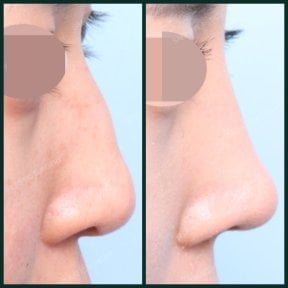
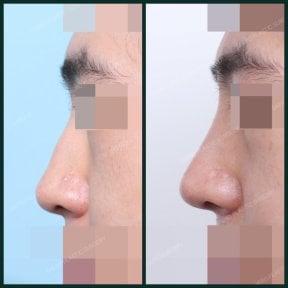
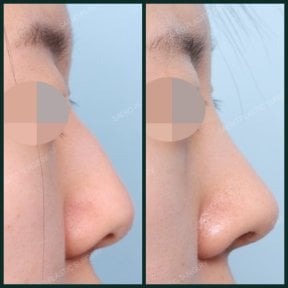
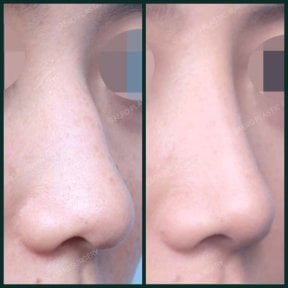
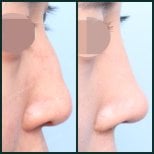
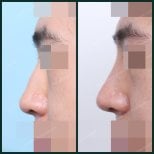
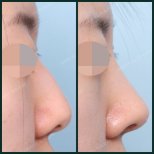
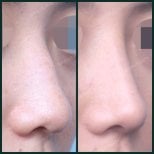
鼻瘤除去術: ビフォー・アフター写真

すべてのビフォー&アフターを見る

このコンテンツを共有

更新済み: 07/01/2026
著者
アンナ・レオノヴァ
アンナ・レオノヴァ
コンテンツマーケティングチーム責任者
10年以上の経験を持つ認定医療ライターで、文学修士号を持ち、世界中の医療専門家のインタビューに基づくBookimedの信頼できるコンテンツを開発しています。
Fahad Mawlood
医学編集者・データサイエンティスト
一般開業医。4つの科学賞受賞。西アジアでの勤務経験。アラビア語を話す患者様をサポートする医療チームの元チームリーダー。現在はデータ処理と医療コンテンツの正確性を担当
Fahad Mawlood Linkedin
このページは、さまざまな国で利用可能な各種医療状態、治療、ヘルスケアサービスに関する情報を掲載する場合があります。コンテンツは情報提供のみを目的として提供されており、医療アドバイスやガイダンスとして解釈されるべきではないことをご承知おきください。医療治療を開始または変更する前に、医師または資格のある医療専門家にご相談ください。

大韓民国での鼻瘤除去術に関するFAQ

これらのFAQはBookimedを通じて医療支援を求める実際の患者からのものです。回答は経験豊富な医療コーディネーターと信頼できるクリニック代表者が行います。

What are the primary surgical methods used for nasal hump removal in Korea?

Surgeons in South Korea primarily use open rhinoplasty for moderate humps and closed rhinoplasty for minor refinements. Advanced techniques include piezoelectric ultrasonic bone contouring and traditional osteotomy. Surgeons often combine hump reduction with dorsal augmentation or tip-plasty to ensure facial harmony and structural stability.

  • Open rhinoplasty: Uses a columellar incision for maximum visibility during complex bone and cartilage excision.
  • Closed rhinoplasty: Performs endonasal incisions to rasp or file minor humps without external scarring.
  • Ultrasonic piezosurgery: Employs vibrations for precise bone reshaping, significantly reducing post-operative bruising and swelling.
  • Structural augmentation: Combines hump removal with silicone implants or autologous cartilage to define the bridge.

Bookimed Expert Insight: Data from top Seoul clinics like JK Plastic Surgery shows a high preference for hybrid approaches. Surgeons often pair hump reduction with tip refinement using septal or ear cartilage. This addresses the common hawk nose profile while maintaining a natural-looking bridge height instead of over-shaving.

Patient Consensus: Patients value 3D simulations during consultations to choose between open or closed techniques. Many emphasize that focusing on facial harmony prevents a collapsed look after aggressive bone removal.

How long is the recommended stay and recovery period for international patients?

International patients undergoing nasal hump removal in South Korea should plan for a 10 to 14-day stay. This timeframe allows for essential post-operative monitoring, including initial wound care and the mandatory stitch removal typically scheduled around day 7 to ensure travel safety.

  • Initial recovery: Clinics require 7–10 days post-op for monitoring and follow-up.
  • Stitch removal: Surgeons usually perform nasal suture removal on day 7.
  • Flight safety: Medical experts recommend waiting 10–14 days before long-haul travel.
  • Full healing: Visible bruising fades by day 8, but swelling lasts months.

Bookimed Expert Insight: Data from high-volume Seoul clinics shows a trend toward 10-day minimum stays to prevent mid-flight complications. While some patients attempt to leave by day 5, our records indicate increased risks of severe altitude-induced swelling and hematomas for those rushing their departure.

Patient Consensus: Patients emphasize staying at least 2 weeks to manage persistent stuffiness and ensure they are fit for the long flight home. Many suggest booking flexible tickets and staying in specialized recovery housing near Gangnam for easier access to follow-up care.

Are there non-surgical alternatives to nasal hump removal available in Korea?

South Korea offers high-quality non-surgical alternatives to nasal hump removal, primarily using liquid rhinoplasty and thread lifting to camouflage dorsal bumps. These procedures use hyaluronic acid fillers or PDO threads to create a straighter nasal profile without surgery, incisions, or extended downtime in Seoul-based clinics.

  • Liquid rhinoplasty: Dermal fillers like Restylane or Yvoire fill depressions around the nasal hump.
  • Thread lifting: PDO threads provide structural support to lift the tip and flatten the bridge.
  • Autologous techniques: Specialized methods like Jellyko use processed ear cartilage and plasma for internal refinement.
  • Botox injections: Botox relaxes specific muscles to reduce the visibility of dynamic nasal humps.

Bookimed Expert Insight: Many patients at high-volume centers like BIOFACE Clinic or SAERO Plastic Surgery choose `trial` fillers before surgery. Dr. Jooyoung Park has trained over 300 physicians in these techniques, proving that refined injector skill is more critical than the specific filler brand used.

Patient Consensus: Patients report that fillers in Gangnam effectively camouflage about 70% of a hump for up to 12 months. Most advise visiting experienced injectors rather than discount walk-in clinics to ensure natural-looking results and avoid migration.

What are the risks of nasal hump removal surgery in South Korea?

Nasal hump removal in South Korea carries risks. These include over-reduction leading to a scooped-out bridge and structural irregularities. Clinics like AB Plastic Surgery use 3-D CT diagnostics to map nasal anatomy. Still, patients may face breathing difficulties if internal cartilage support is compromised during reshaping.

  • Aesthetic over-reduction: Removing too much bone can cause a concave or unnatural profile.
  • Breathing impairment: Weakening internal structures may collapse airways, making it harder to breathe.
  • Bridge irregularities: Small humps or asymmetries can remain if the reduction is uneven.
  • Structural deformity: Inverted V deformity occurs if cartilage separates from the nasal bones.

Bookimed Expert Insight: While many clinics offer hyperbaric oxygen therapy for faster healing, volume matters most for safety. Leading Seoul clinics like AB Plastic Surgery handle 24,000+ patients annually. This high frequency allows surgeons to refine conservative techniques. These techniques preserve breathing function while smoothing the bridge.

Patient Consensus: South Korean patients report minimal pain. However, they note that swelling after bone work can last 6 months. Many suggest explicitly asking how much nostril tissue surgeons plan to cut. This helps avoid long-term breathing issues.

Is it safe to just lift the nose tip to match the hump instead of removing it in South Korea?

Lifting the nasal tip to hide a hump is safe but often not enough for lasting results in Korea. While tip plasty using autologous cartilage can disguise a mild dorsal hump, prominent humps usually need shaving bone and cartilage for a straight, natural profile.

  • Surgical precision: Specialists use 3D-CT scanning at clinics like VG Plastic Surgery to assess nasal structures.
  • Autologous techniques: Surgeons use ear or septal cartilage for tip refinement to avoid synthetic implants.
  • Bridge reconstruction: Shaving a hump often requires later smoothing the bridge with silicone or cartilage for balance.
  • Safety monitoring: Major Seoul clinics provide university-grade safety systems and CCTV monitoring during procedures.

Bookimed Expert Insight: While a tip lift alone costs around A$6,000–A$7,000, it rarely achieves the straight bridge most patients want. Bookimed data shows that 95% of successful hump corrections in Seoul involve both shaving the bone and bridge reconstruction. This combined approach ensures the hump does not look mismatched as the swelling subsides over several months.

Patient Consensus: Patients in Korea suggest choosing clinics that include hyperbaric oxygen therapy to manage bridge tightness and heavy congestion. Bringing a mini humidifier helps manage the mouth-breathing caused by post-operative swelling during the first few days.

How is a nasal hump removed, and is bone cutting involved in South Korea?

Nasal hump removal in South Korea involves shaving excess bone and cartilage to smooth the profile. Bone cutting, known as osteotomy, is frequently required for moderate to large humps. This technique repositions nasal bones to close the gap created during removal. It ensures a slim, natural-looking bridge.

  • Technique variety: Surgeons use dorsal hump reduction for shaving and osteotomy for structural bone reshaping.
  • The open roof: Removing large humps leaves a gap. Specialists close this gap via precise bone cutting.
  • Piezosurgery technology: Leading Seoul clinics use ultrasonic tools to cut bone. This causes minimal soft tissue trauma.
  • Surgical incisions: Closed approaches hide scars inside nostrils, while open surgery provides better specialist visibility.
  • Recovery support: Post-operative care often includes hyperbaric oxygen therapy to reduce swelling and hasten healing.

Bookimed Expert Insight: South Korean specialists often use 3D-CT scanning before surgery. This helps map the exact ratio of bone to cartilage in the hump. This data-driven approach lets surgeons like Dr Park Sangwook at VG Plastic Surgery decide if a simple shave is enough. An osteotomy might be vital for structural stability otherwise.

Patient Consensus: Patients in South Korea found that stitches come out in 7 days. However, the bridge feels heavy for months. Many recommend explicitly asking for an osteotomy. This prevents a widened bridge appearance after hump removal.

What is the difference between open and closed rhinoplasty for hump removal in South Korea?

Open rhinoplasty in South Korea uses a small columellar incision. This gives full visibility during complex hump reductions. Closed rhinoplasty involves internal incisions only, suitable for minor adjustments. Leading Seoul surgeons at clinics like VG Plastic Surgery and Wonjin use 3D-CT scanning. This determines the most precise approach.

  • Incision site: Open rhinoplasty requires a tiny columellar cut. Closed techniques use strictly internal nostril incisions.
  • Structural visibility: Open approach provides full framework exposure. It allows surgeons to shave bone and cartilage with high precision.
  • Recovery speed: Closed rhinoplasty typically involves less bruising. Patients generally enjoy a faster return to daily activities.
  • Tip refinement: Surgeons prefer the open technique for complex tip reshaping. This gives more stable and symmetrical long-term results.

Bookimed Expert Insight: Many patients request closed rhinoplasty for faster healing. However, South Korea’s top-rated surgeons often recommend the open approach for humps. Data from Wonjin Plastic Surgery shows that specialists like Dr Kang Moon Seok, an ASPS member, use open techniques. This approach provides structural stability in 5,000+ international cases annually.

Patient Consensus: Patients in South Korea found closed techniques adequate for simple bone humps. These cases did not involve tip work. Many noted that columella scars from open surgery faded. They blended into natural creases within months.

Do I need a silicone implant after removing the nasal hump in South Korea?

Silicone implants are not strictly required after hump removal in South Korea. However, surgeons frequently recommend them to prevent a flat profile. High-volume Seoul clinics specialise in both silicone augmentation and non-implant techniques. They use 3D-CT scanning to decide if bridge height needs restoring after bone shaving.

  • Hump height: Small bumps often require only filing without any prosthetic augmentation or bridge filling.
  • Open roof: Extensive removal may leave a wide gap requiring an implant or osteotomy.
  • Structural support: Surgeons like Dr Park Sangwook use 3D-CT scans to assess remaining cartilage strength.
  • Natural alternatives: Autologous options using ear, septal, or rib cartilage provide a non-synthetic profile.

Bookimed Expert Insight: Silicone is the standard for a sharp bridge. Still, Seoul specialists increasingly offer donor rib cartilage for patients wanting height without synthetic risks. Clinics like AB Plastic Surgery maintain a high specialist-to-patient ratio so that surgeons experienced in handling natural graft resorption perform these complex, non-implant reconstructions.

Patient Consensus: Patients in South Korea appreciate that 3D simulations show their potential profile with and without implants. Many choose silicone for its cost-effectiveness and stability. Others prefer the natural feel of donor rib despite the higher intensity of the procedure.

How long is the recovery time after nasal hump removal in South Korea?

Initial recovery after nasal hump removal in South Korea takes 7 to 10 days. Patients typically have their nasal cast and external stitches removed on day 7. Most people return to social activities within 2 weeks. However, final refinement of the bridge takes 6 to 12 months.

  • Hospital stay: Most procedures are outpatient, though some clinics suggest 1 night for monitoring.
  • Initial downtime: Nasal packing is removed by day 3 to restore easier breathing.
  • Travel window: Patients can fly back to Australia on day 7 after cast removal.
  • Swelling timeline: Noticeable swelling around the eyes peaks at day 2 and clears by week 2.
  • Activity limits: High-intensity exercise and saunas must be avoided for at least 4 to 6 weeks.

Bookimed Expert Insight: Leading Seoul clinics like VG Plastic Surgery and AB Plastic Surgery use 3D-CT scanning before surgery. This allows surgeons to precisely measure bone and cartilage thickness. Such accuracy helps avoid over-shaving. This prevents the hump from appearing to return once scar tissue settles.

Patient Consensus: Patients should stock up on ice packs and easy-to-eat food in Seoul before the procedure. First-week congestion is common. However, walking helps reduce swelling, and the bridge looks significantly slimmer by the 4-month mark.

Where are the best clinics for nasal hump removal in South Korea?

The best clinics for nasal hump removal in South Korea are in Seoul. They include specialist centres like SAERO Plastic Surgery, VG Plastic Surgery, and AB Plastic Surgery. These facilities specialise in osteotomy and cartilage grafting. They provide tailored results that balance the nasal bridge with facial features, while maintaining functional integrity.

  • SAERO Plastic Surgery: Features a single specialist with 24+ years experience focusing on individualised care.
  • VG Plastic Surgery: KOIHA-accredited facility using 3D-CT scanning for precise bone and cartilage mapping.
  • AB Plastic Surgery: High-volume centre serving 24,000+ patients annually with specialised international patient infrastructure.
  • JK Plastic Surgery: Long-standing clinic with 85,000+ procedures performed and government-approved safety standards.
  • Wonjin Plastic Surgery: Employs specialists like Dr Lee Jong Seok who trained at UChicago Medicine.

Bookimed Expert Insight: While many clinics offer an A$1,200 starting price, these often cover only minor shaving. For a significant dorsal hump, look for packages with hyperbaric oxygen therapy, like those at SAERO. This treatment speeds up tissue healing. It also reduces the bruising commonly seen after osteotomy surgery.

Patient Consensus: Australians often choose Seoul clinics for the thorough consultations and natural results. Patients suggest bringing a humidifier for recovery. They also confirm that leading surgeons successfully adapt techniques for both Caucasian and Asian facial structures.

無料相談を受ける

最適な連絡方法をお選びください