Deep & Harmonicare IVF Center
1M+ 2014年以降患者がサポートを受けています
50 国
1,500 クリニック
6K+ レビュー
3K+ 3,000名以上の資格を持つ医師
タイでの生殖医療科費用について今すぐご確認ください
タイにおける生殖医療サービスの費用は、通常$2,800 / 95,200฿から$8,600 / 292,400฿の間です。最終的な価格は、特定の治療プロトコル、必要な薬剤、および遺伝子検査のニーズによって異なります。海外からの患者様は、医学的に高度な施設で治療を受けながら、米国と比較して40〜70%の費用を節約できることが期待できます。
タイにおける一般的な生殖医療の費用
- 女性の不妊症に関する包括的な診断: から $600 / 20,400฿
- 子宮鏡検査: から $1,000 / 34,000฿
- 体外受精(IVF): から $11,600 / 394,400฿
- 性別選択を伴う体外受精: から $14,700 / 499,800฿
- 人工授精: から $960 / 32,600฿
- 胚提供: $4,000 / 136,000฿ – $7,000 / 238,000฿
- PRP/PRGF卵巣若返り療法: から $1,900 / 64,600฿
- 精巣内精子採取術(TESE): から $1,500 / 51,000฿
- 胚移植: から $1,500 / 51,000฿
- 卵子凍結保存の年間維持費: $5,100 / 173,400฿ – $7,200 / 244,800฿
ほとんどの不妊治療センターはバンコクとノンタブリーに位置しており、高度な生殖技術を提供しています。価格は主要なクリニック間で概ね一貫していますが、バンコクの宿泊費は地区によって異なる場合があります。個別の症例に対する正確な価格については、専門医にご相談ください。
| タイ | トルコ | オーストリア | |
| 薬理学的刺激 | ≈ $3,000 / 102,000฿ | から $950 / 32,300฿ | ≈ $4,000 / 136,000฿ |
| 胚移植術 | から $1,500 / 51,000฿ | から $1,000 / 34,000฿ | ≈ $2,500 / 85,000฿ |
| 胚移植前後の鍼治療 | ≈ $250 / 8,500฿ | ≈ $250 / 8,500฿ | ≈ $300 / 10,200฿ |
| 胚提供 | ≈ $4,000 / 136,000฿ | ≈ $5,500 / 187,000฿ | ≈ $9,500 / 323,000฿ |
| 胚冷凍保存 | から $1,300 / 44,200฿ | から $600 / 20,400฿ | ≈ $4,500 / 153,000฿ |
データは2026年September月時点でBookimedにより検証され、世界26件のクリニックからの患者リクエストと公式見積もりに基づいています。中央値費用は実際の請求書(2024年-2026年)に基づいており毎月更新されます。実際の価格は異なる場合があります。
すべての生殖医療科疾患
Bookimedでのお客様のメリットと保証
直接価格
Bookimedは生殖医療科治療価格に追加料金を加算しません。料金はクリニックの公式価格表から来ています。国に到着時にクリニックで治療代を直接お支払いいただきます。
検証済みクリニック・医師のみ
Bookimedはお客様の安全に取り組んでいます。生殖医療科治療で高い国際基準を維持し、世界中の国際患者サービスに必要なライセンスを有する医療機関とのみ協力しています。
無料24時間365日サポート
Bookimedは無料専門サポートを提供します。専属医療コーディネーターが治療前、治療中、治療後にサポートし、あらゆる問題を解決します。生殖医療科治療の旅路でお一人になることはありません。
なぜ当社を?
Bookimed専属アシスタント
- すべての段階でサポート
- 適切なクリニックと医師の選択をサポート
- 迅速で便利な情報アクセスを確保
タイの最高の生殖医療科クリニックをご発見ください:26件の認証済み選択肢と料金
クリニックはBookimedのスマートシステムにより、5つの主要基準でのデータサイエンス分析を使用してランク付けされています。
Inspire IVF
広告
Prime Fertility Clinicエタニティ・クリニック プレオンチット
エタニティ・クリニック プレオンチット
タイ, バンコク
Bumrungrad International Hospital
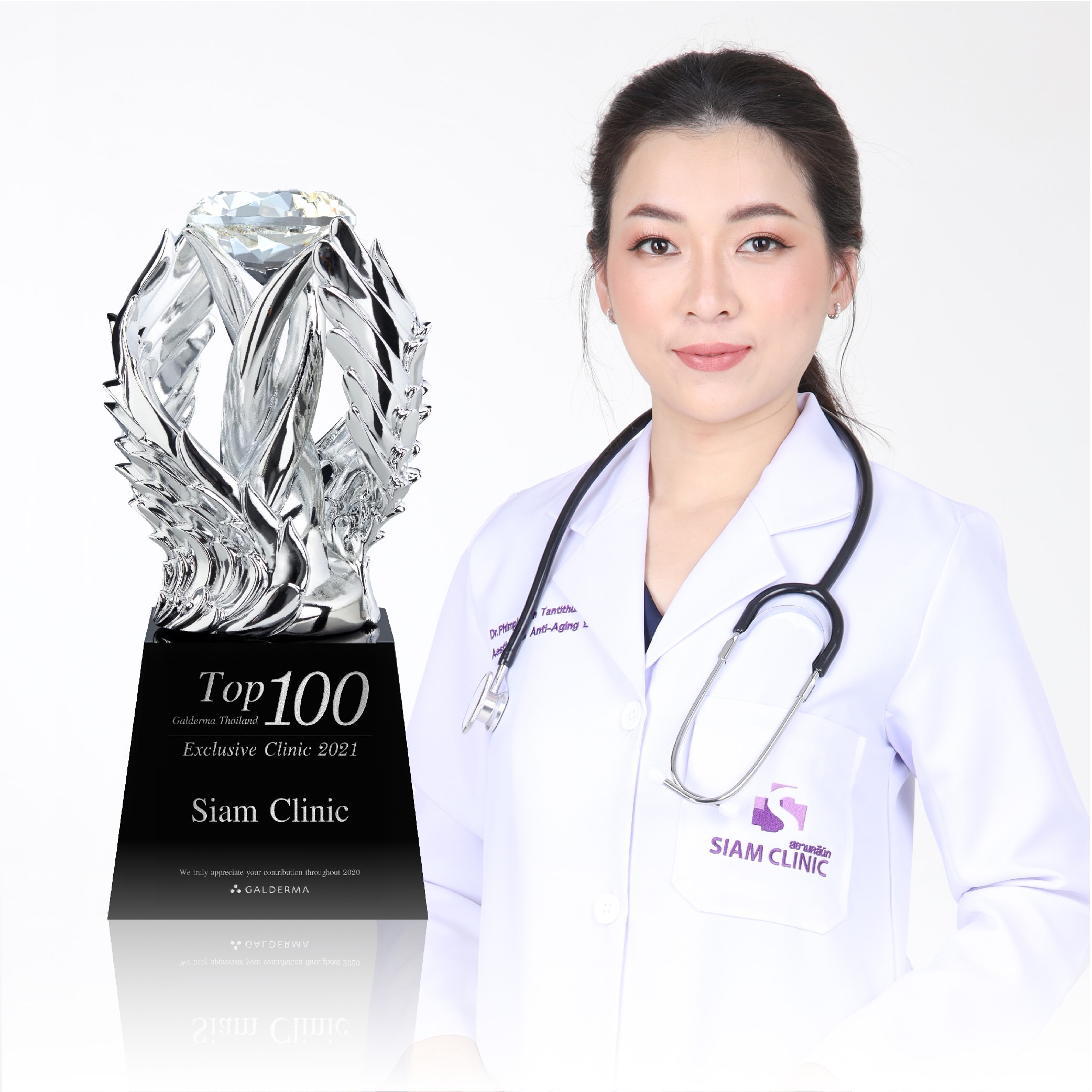
Siam Clinic Phuket
Siam Clinic Phuket
タイ, プーケット
LRC不妊治療クリニック
Gift Fertility Clinic
Gift Fertility Clinic
タイ, バンコク
Bangkok Hospital Pattaya
Sikarin Hospital
26件のクリニックのうち9件をご覧になりました
タイのトップ生殖医療科センター
- Prime Fertility Clinic, タイ
- Deep & Harmonicare IVF Center, タイ
- Inspire IVF, タイ
- エタニティ・クリニック プレオンチット, タイ
- Bumrungrad International Hospital, タイ
- Siam Clinic Phuket, タイ
- LRC不妊治療クリニック, タイ
- Gift Fertility Clinic, タイ
- Bangkok Hospital Pattaya, タイ
- Sikarin Hospital, タイ
タイでの生殖医療科医療診断をお受けください:47名の経験豊富な医師に今すぐご相談
すべての医師を見る検証済み
Poonkiat Punyamitr
19年の経験
900件以上の不妊治療実績 – プンキアット医師はシンガポールで専門的な訓練を受け、Prime Fertility Clinicの医療ディレクターを務めています。
- タイ王立大学による生殖補助医療の認定取得
- シンガポールのCRESTプログラムにて高度な技術を習得
- 男性不妊および複雑なIVF(体外受精)症例を専門とする
- 世界的な不妊学会であるASRMおよびESHREの会員
検証済み
Doctor Suebphong Angchoun
16年の経験
スエブポン・アングチョウン医師は、バンコクの泌尿器科医であり、男性の健康専門医です。Eternity Clinicを設立し、医療ディレクターを務めています。また、バンコク病院プーケットの泌尿器科センターの責任者でもあります。低侵襲手術および男性の性機能障害を専門としています。
- 勃起不全、テストステロン補充療法、早漏治療の専門家。
- 腎結石に対する内視鏡的泌尿器科手術および低侵襲手術を実施。
- 最新の外科的および非外科的手法を用いて前立腺疾患を治療。
- 認定された皮膚充填剤(フィラー)およびインプラントを使用したペニス増大術を専門とする。
検証済み
Dr Suebpong Angchoun
16年の経験
Suebpong Angchoun医師は、プーケットの泌尿器科医兼アンドロロジストです。バンコク病院プーケットの泌尿器科センターを統括しています。また、Eternity Clinicを設立し、医療ディレクターを務めています。男性の性機能障害および低侵襲手術を専門としています。
- 勃起不全、テストステロン補充療法、腎結石の専門知識。
- ステープラー包茎手術、ペニスフィラー注入、ペロニー病の外科的矯正手術を実施。
- タイにおける一般外科および泌尿器科の認定医。
- 勃起不全治療のための衝撃波療法や赤色光療法など、最新の医療技術を導入。
検証済み
Phatwira Pattarajierapan
18年の経験
パッタラジエラパン医師は、DGBクリニックにて18 年の形成外科および再建外科の経験を持ち、性別適合手術を専門としています。
- バンコクの主要大学病院で研修
- 美容外科および複雑な再建外科の両方における専門家
- 性別適合技術に関する国際会議での発表実績あり
- 国際的な医学雑誌への掲載実績あり
Bookimedに関するレビュー:患者様の洞察を発見
全レビューSara Dejene Hailemariam • 体外受精
Dec 2, 2022
結果は素晴らしかったです。
Return: About the doctor, About the clinic, About the results, About the experience, Most positive sentence: 結果は素晴らしかったです。
支援においては、クライアントが初めて病院に連絡を取るまでの過程をサポートし、クライアントのケースをうまく伝えるべきであり、患者が英語を話せないスタッフに対して自分の来院理由を説明しようとするのではなく、丁寧かつ詳細に行うべきです。
bookimedサービスについて
サポートは、クライアントが病院と最初に接触するまでを支援し、クライアントのケースを適切に伝えるべきであり、患者が英語を話せないスタッフに自分の理由を説明しようとするのではなく、円滑なコミュニケーションを図るべきです。
このコンテンツを共有
Bookimed患者のビデオストーリー
Igor
It was great! Transfers, accommodation, treatment—all included.
治療: 歯科インプラント
クリニック: WestDent Clinic
Marina
Bookimed did everything for me. I didn't have to worry about anything.
治療: 女性検査
クリニック: Severance Hospital
更新済み: 09/27/2026
著者
Bookimed医学アドバイザーによるレビュー
Fahad Mawlood
医学編集者・データサイエンティスト
一般開業医。4つの科学賞受賞。西アジアでの勤務経験。アラビア語を話す患者様をサポートする医療チームの元チームリーダー。現在はデータ処理と医療コンテンツの正確性を担当
Fahad Mawlood Linkedinこのページは、さまざまな国で利用可能な各種医療状態、治療、ヘルスケアサービスに関する情報を掲載する場合があります。コンテンツは情報提供のみを目的として提供されており、医療アドバイスやガイダンスとして解釈されるべきではないことをご承知おきください。医療治療を開始または変更する前に、医師または資格のある医療専門家にご相談ください。
タイでの生殖医療科に関するFAQ
これらのFAQはBookimedを通じて医療支援を求める実際の患者からのものです。回答は経験豊富な医療コーディネーターと信頼できるクリニック代表者が行います。
外国人はタイで体外受精治療を受けることができますか?
外国人は、法律上結婚している異性カップルであれば、タイで体外受精(IVF)を受けることができます。タイの法律では、治療にあたって認証された結婚証明書が必要です。Prime Fertility ClinicやBumrungrad International Hospitalといった施設では、先進的な生殖技術を提供しています。ほとんどの患者はバンコクで2〜3週間の滞在を計画します。
- 法的要件: カップルは治療のために認証された翻訳済みの結婚証明書を提出しなければなりません。
- 性別選択: 性別選択を伴う体外受精は利用可能であり、費用はから $14,700です。
- クリニックの資格: Prime Fertility Clinicは安全性に関するJCI外来医療認定を受けています。
- 専門的な専門知識: Prime Fertility CenterのDr. Poonkiat Punyamitrは認定された生殖補助技術(ART)の専門家です。
Bookimedエキスパートの洞察: データによると、JCI認定施設では国際患者の数が多く、Prime Fertility Clinicは年間4,000人の患者に対して2人の主要医師のみで対応しています。この高い患者/医師比率は、国際的な訪問者に対する高度に合理化されたプロトコルを示唆しています。彼らの認定は、高い患者数にもかかわらず、これらのプロセスが国際的な安全基準を満たしていることを確認しています。
患者の合意: 患者は、一部のスタッフとのコミュニケーションにおける若干のギャップに備えることが重要であると指摘しています。成功は、以前の検査の明確な記録を持参することで高価な診断を繰り返さないことに依存することが多いです。
完全な体外受精(IVF)サイクルを行うためにタイにどのくらい滞在する必要がありますか?
タイでの新鮮な体外受精(IVF)サイクルは通常、15日から21日程度の現地滞在を必要とします。この期間には、卵巣刺激、卵子採取、および胚移植が含まれます。凍結胚周期を選んだ患者は、通常、これを2回の短い渡航に分けます。バンコクの専門クリニックでは、プロセス全体を包括的にモニタリングしています。
- 卵巣刺激: ホルモン注射を8日から14日間行い、定期的な超音波検査を行います。
- 卵子採取: おおよそ13日から15日にかけて、鎮静下で行われる小規模な外来手術です。
- 胚培養: 胚はラボで3日から5日間培養され、胚盤胞段階に達します。
- 胚移植: 移植は19日から21日に行われ、その後24から48時間の安静が必要です。
Bookimed の専門家の見解: 年間4,000人の患者を受け入れるプライムフェルクリニックのような多忙なセンターは、JCI認定外来診療認証を取得することがよくあります。この具体的な認証は世界的に稀です。これは、クリニックが厳しい安全基準を満たしていることを示し、外来生殖手術における一貫したケア品質を保証します。そのような認定施設を選ぶことで、3週間の滞在中も安定したケアを受けられます。
患者の意見: 患者は、安心感を求めて4週間から6週間の滞在が一般的であると述べています。また、より良い結果を得るために凍結全数アプローチを医師が推奨する場合の延長に備えることを提案しています。
タイにおける体外受精の成功率はどのくらいですか?
タイにおけるIVFの成功率は非常に競争力があり、1サイクルあたり通常40%から65%の範囲です。35歳未満の若い患者の成果はしばしば70%に達します。成功は、母体の年齢、臨床技術、胚のスクリーニングに使用される着床前遺伝子検査(PGT)に依存します。
- 年齢の影響: 35歳未満の女性の成功率はサイクルあたり50%から70%の範囲です。
- 先進的なスクリーニング: PGTを使用することで、妊娠成功率は50~70%に上昇し、未使用時の30~40%と比較されます。
- ドナーオプション: 40歳以上の患者がドナー卵子を使用する場合、成功率は50~70%に上昇します。
- 臨床の専門性: プライム・フェルティリティ・クリニックはJCI外来ケア認定を受けており、年間4,000人以上の患者に対応しています。
Bookimed エキスパートの見解: プライム・フェルティリティ・クリニックやバンコクのブムルンラート国際病院のようなタイのクリニックは、院内ラボを使用することで高い成功率を維持しています。JCI認証施設では年間4,000件以上を処理し、高精度なPGTを実現するために必要なボリュームを受精技術者が持つことができます。この専門知識により、2サイクルで65%の累積成功率に達することができる新鮮な移植が実現されます。
患者の意見の一致: 患者は、実際の成果は移植1回あたり平均40〜50%であると指摘しています。彼らはしばしば旅行前に卵子の予備をテストすることを勧め、複雑なプロトコルをナビゲートするために英語を話すスタッフのいるクリニックを選択するよう勧めています。
タイにおける性別選択や代理出産に関する法的制限はありますか?
タイでは商業的代理出産や医療目的以外の性別選択を、補助生殖技術を用いた子供の保護に関する法律の下で厳しく禁止しています。代理出産は、異性愛のタイ人カップルまたは3年間結婚している異なる国籍のカップルに限り合法です。どちらか一方がタイ国籍を持っていなければなりません。
- 商業的代理出産の禁止:代理母への報酬は違法です。違反した場合、最長10年の懲役刑が科せられます。
- 性別選択の規則:家庭のバランスを取るための性別選択は禁止されています。それは医療上の疾患に限られます。
- 遺伝子検査:クリニックはPGD/PGSを使用して染色体異常を検出します。これにより、性別が二次的に判明します。
- 代理母の条件:代理母は血縁者でなければなりません。彼女自身がすでに子供を持っていることが条件です。
Bookimed専門家の見解:法律は厳しいですが、タイは高度な診断技術の中心地であり続けています。Prime Fertility Clinicは、世界で数少ないJCI移動医療認定を受けた独立したセンターの一つです。これは、複雑な体外受精および遺伝子検査手順において国際的な安全基準を保証します。患者は、社会的性別選択が制限されていても、PGDの技術的専門知識のためにバンコクを選ぶことが多いです。
患者の意見:患者は「怪しい」クリニックが性別選択を約束しているとして頻繁に警察の摘発を受けると警告しています。多くの旅行者は、バックアッププランと法的アドバイザーを持つことを勧めており、タイは外国の代理出産契約を認めていないため、注意が必要です。
海外の患者様に対して卵子または精子の提供は可能ですか?
海外からの患者は、JCI認定施設を通じてタイで卵子および胚の提供を受けることができます。タイの法律では、商業目的の精子提供を禁止しており、地元の提供者はタイ国民に限られています。多くの外国人患者は、バンコクのクリニックでのIVF治療を進めるために、国際的なバンクから冷凍精子を輸入することを選びます。
- 利用可能な手続き: クリニックでは、IVF、胚の提供、性別選択を伴うIVFを提供しています。
- 精子提供: 地元の精子提供は国家法律によりタイ国民に限定されています。
- 卵子提供: 外国人向けのプログラムが利用可能ですが、厳格な法的契約が必要です。
- クリニカル基準: プライム・フェルティリティ・クリニックは安全性のためにJCI外来ケア認証を取得しています。
Bookimedエキスパートの見解: データによれば、地元の精子供給が制限される一方で、バムルンラード国際病院やプライム・フェルティリティ・クリニックのような主要拠点は、国際配送を受け入れるための物流を合理化しています。190カ国以上からの患者がこれらのセンターを利用しており、輸入された配偶子を先進的なタイのIVFプロトコルと組み合わせて成功させており、しばしば地元のケースよりも高い頻度で行われています。
患者の意見: 患者は、医療ケアが非常に優れている一方で、病院スタッフとの言葉の壁に苦労することがあると指摘しています。彼らは到着時に具体的な病歴を医療チームに説明するためのコーディネーターの存在が重要であることを強調しています。