トルコのクリニックではどのような種類のベニアが利用できますか?
トルコの歯科ベニアは、素材によって以下の種類に分けられます:
| ポーセレンベニア |
コンポジットベニア |
Emaxベニア(ルミネア) |
| 強固なセラミックから作られる厚さ最大0.6mmの耐久性のあるベニアで、歯を大きく削る必要がなく、歯の欠点を完全に隠します。 |
光重合型充填材で作られ、歯を大幅に削る必要があり、他のタイプと比較して寿命が短いです。 |
非常に薄いセラミック層(0.2~0.3mm)で、歯を削る必要がなく、欠点を修正します。 |
トルコのベニア治療の費用はいくらですか?
Bookimedのデータによると、トルコにおけるコンポジットベニアの費用は1本あたり平均450ドルで、300ドルから600ドルの範囲です。費用の違いは、いくつかの要因によって異なります:
- クリニックの評判
- 医師の技術料
- ベニアの種類
- 使用される材料
- ラボのサービス
国際比較:
- 英国:1本あたり800~1,600ドル(フルセットで12,500~21,100ドル)
- 米国:1本あたり900~2,000ドル(フルセットで10,000~30,000ドル)
- 節約額:英国/米国の価格と比較して60~80%
トルコのほとんどのクリニックでは、宿泊施設、送迎、言語サポート、その他の追加サービスを含むベニアパッケージを提供しています。
トルコのベニア費用に影響を与える要因は何ですか?
この国での歯科治療の価格に大きく影響する指標がいくつかあります。その中には以下が含まれます:
- クリニックの場所
- 使用される材料
- 医師の経験
- 治療する歯の本数
- その他の治療(必要な場合)
施術後、トルコにどれくらい滞在する必要がありますか?
患者様は通常、ベニア治療のために5~7日間トルコに滞在します(2024年の治療プロトコルによると、イスタンブールでは6~7泊が推奨されています)。ただし、正確な期間は歯科ベニアの種類、本数、ラボでの製作時間によって異なり、ラボでの製作を含む全プロセスには2~3週間かかります。
なぜ海外の患者様はベニア治療にトルコを選ぶのですか?
- トルコは歯科治療において主要な国の一つです。高い需要と国際的なインターンシップのおかげで、トルコの歯科医は豊富な経験を持ち、質の高いベニア治療を提供しています。主要な専門家には、WestDent ClinicのSusana Akdash医師(美容歯科医)やGencer Huniler医師(矯正歯科医)がいます。
- トルコ全土の424のクリニックがコンポジットベニア治療を提供しており、高評価の施設にはSoraca Med(4.9/5)、WestDent Clinic(4.8/5)、YEG Clinic(4.6/5)などがあります。49のJCI認定医療機関(53%がイスタンブール)が質の高いサービスを証明しています。
- この目的地での歯科ベニアは、その手頃な価格が特徴です。国内でのベニア治療費用は、アメリカの医療センターと比較して最大70%低くなっています。さらに、治療の質は同等レベルです。
- トルコでの治療は、医療ケアと休暇を組み合わせることができます。同国はリゾート地や温暖な気候で世界的に知られています。
トルコの卓越した評判は、患者様の体験に反映されています。ベルギーからの患者様は次のように述べています:「すべてが完璧で、私の希望はすべて叶えられました。スタッフは素晴らしく、医師は有能です。」
トルコのベニア治療の利点は何ですか?
- 低コスト — トルコのクリニックは、国内の一般的な価格政策と市民の所得水準により、最も安価なベニア治療を提供しています。さらに、歯科クリニック同士が競争しているため、新規患者のために価格を抑える努力をしています。その結果、ベニアの費用は米国、カナダ、オーストラリア、一部のヨーロッパ諸国よりも2~4倍安くなっています。
- 最新の設備 — Hisar Hospital Intercontinental(4.6/5、イスタンブール)やSoraca Med(4.9/5、アンタルヤ)などの主要な歯科施設は、より迅速な処置とより良い結果を提供するために、継続的に設備をアップグレードしています。
- オールインクルーシブパッケージ — この目的地で歯科ベニアを選択すると、治療費だけでなく、送迎、宿泊、言語サポートなどのサービスも受けられます。
オーストリアからの患者様は、VSC Dental Clinicでの治療について次のように述べています:「上下の歯にジルコニアクラウンを装着しました。非常に満足しています。フレンドリーなスタッフ、経験豊富で丁寧な医師、通訳サービスがあり、ホテルと送迎も含まれていました。」
歯科ベニアとは何ですか?
ベニアは、歯全体を覆うクラウンとは対照的に、歯の前面のみを覆う薄いセラミックプレートです。歯科ベニアは、前歯のエナメル質に小さな欠け、ひび、シミがあり、笑顔を変えたい場合に最も適した選択肢です。
セラミック層は笑顔の欠点を完全に隠し、歯の形を整えるのに役立ちます。歯科ベニアは天然の歯とほとんど見分けがつきません。ホワイトニングや矯正なしで美しい笑顔を手に入れる方法です。
|
寿命
|
ポーセレンベニア:10~15年、コンポジットベニア:5~7年
|
|
歯科ラボでのベニア製作
|
1~3週間
|
|
ベニア装着のための元の歯のエナメル質除去
|
<1 mm(従来のベニアでは通常0.3~0.5mm)
|
|
装着時間
|
1本あたり30~40分
|
|
通常装着されるベニアの本数
|
8~10本(笑顔の際に見える前歯)
|
歯科医はどのようにベニアを装着しますか?
歯科ベニアの装着プロセスは4つのステップに分かれています:
- 歯の準備 — 歯科医がベニアを固定するために歯の表面のわずかな部分を取り除く痛みのないプロセスです。従来のベニアは0.3~0.5mmのエナメル質除去が必要ですが、超薄型のノープレップベニアは最小限の表面処理しか必要としません。
- モデリング — 専門家が印象を取るか、3Dモデリング(歯の表面のわずかな特徴を特定するための特殊なスキャナー)を作成して、将来のベニアを設計します。デジタル印象は、正確なフィット感と最適な接着強度を保証します。
- 製造 — ベニア製造の原則と材料はすべての歯科クリニックで似ています。しかし、コンポーネントが異なり、最終的な結果に影響を与える可能性があります。現代の歯科ラボでは、専門家が顕微鏡を使用して歯のプレートを提供し、より正確な結果を実現しています。
- 装着 — 非常に迅速で完全に痛みのないプロセスです。装着には1本あたり30~40分かかり、必要なベニアの本数によって全体の来院時間が長くなります。
ベニア装着の適切な候補者は誰ですか?
ベニア装着は美容処置であり、いくつかの笑顔の欠陥を解決します。以下のような場合、ベニアが最適な選択肢となります:
- エナメル質の損傷 — 前歯の欠けやひび割れは見栄えが悪いため、歯科ベニアでこれらの欠点を隠します。
- 歯の変色 — ベニアを使用して、歯科医は歯の白さを取り戻します。特に神経を抜いた歯は他の歯よりも暗く見えるため効果的です。
- 軽度の歯の重なりや湾曲 — ベニアは大きな歯間スペースを取り除きます。
- 歯のサイズが小さい — 歯が自然に見えない場合、専門家は歯科ベニアで長さ、幅、形を調整します。
- 歯科エナメル質の浸食 — エナメル質が浸食されている場合、歯をクラウンで完全に隠すことなく、優れた状態に保つ唯一の方法はベニアです。
専門家はベニアの製造にどのような材料を使用しますか?
歯科ベニアは笑顔のエリア(8~10本の前歯)に装着されるため、マイクロプロテーゼがエナメル質の構造と色を完全に模倣することが重要です。材料に応じて、ベニアは以下の通りです:
- コンポジット — 光重合型充填材で作られ、歯を大幅に削る必要があり、他のタイプと比較して寿命が短いです。
- セラミック(ポーセレン) — 強固なセラミックから作られる厚さ最大0.6mmの耐久性のあるベニアで、歯を大きく削る必要がなく、歯の欠点を完全に隠します。
- 超薄型ポーセレン — 非常に薄いセラミック層(0.2~0.3mm)で、欠点を修正し、歯の追加の準備を必要としません。
前向き臨床研究によると、ノープレップベニアは従来のメソッドと比較して9年間で100%の生存率を達成し、優れた長期的な結果を示しました。
ベニアでどのような結果が得られますか?
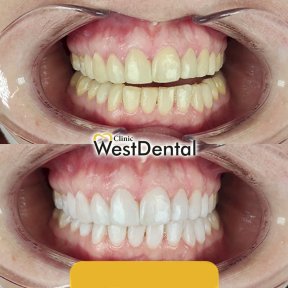
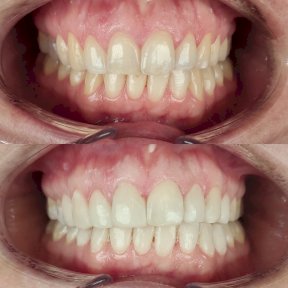
歯科ベニアを使用すると、完璧な笑顔を手に入れることが可能です。小さな歯の欠陥(歯の表面の粗さやシミ)を隠し、深刻で目立つ笑顔の欠点(欠けた歯やひび割れた歯、歯の黒ずみや変色、歯間スペース、不規則な形や位置の歯)を解決します。
ベニア修復によって笑顔がどのように変化するかを明確に示すビフォーアフター写真をご覧ください。
ベニア生存率に関する臨床研究によると、歯科ベニアは10年以上で90%以上の生存率を示し、超薄型セラミックベニアは4年後の追跡調査で97.9%の成功率を示しています。セラミックベニアの耐用年数は10~15年です。
ベニアの寿命を延ばすには、歯科医の推奨事項に従い、怪我を避け、辛い食べ物や硬い食べ物を制限する必要があります。しかし、歯科ベニアは長年にわたって元の外観を維持するために過度な努力を必要としません。
セラミックの表面は時間の経過とともに黒ずんだり、色や形が変わったりすることはありません。唯一起こり得るのは、強い機械的ストレスによる構造的な破損です。したがって、外傷性のスポーツを好む人にはベニアは推奨されません。それ以外の場合、表面は非常に快適に使用でき、装着時に痛みや不快感を引き起こすことはなく、患者様は口の中に人工物を感じることはありません。
回復のタイムラインと期待できること
ベニアの回復プロセスは予測可能なタイムラインに従います:
- 最初の48時間:新しいベニアに慣れるにつれて、初期の不快感や過敏症は消えていくはずです。柔らかい食べ物を食べ、極端な温度のものを避けてください。
- 最初の1~2週間:この調整期間中は温度過敏症が正常です。ほとんどの患者様は、熱いものや冷たいものに対する軽度の過敏症を伴う2週間の適応期間を経験します。
- 2~4週間:発話の適応には2~4週間かかる場合があり、練習によって徐々に改善される軽度の舌足らずな発音が発生することがあります。
- 4~8週間:舌がベニアに完全に慣れると、口腔内の完全な適応が完了します。
患者様は通常、すぐに通常の活動に戻ることができますが、完全な適応期間はほとんどの人にとって約2週間です。
潜在的なリスクと合併症
歯科ベニアは一般的に安全ですが、患者様は潜在的な合併症に注意する必要があります:
一般的な副作用:
- 歯の過敏症:80%以上の患者様が術後の過敏症を経験しません
- 一時的な不快感:通常48時間以内に解消します
- 発話の調整:2~4週間、軽度の舌足らずな発音が発生する場合があります
稀な合併症:
- 歯髄炎:約98%の患者様がこの合併症を経験しません
- ベニアの骨折や欠け:稀なケースでの主な失敗メカニズム
- 脱離:ベニア失敗の二次的な原因
- 歯茎の炎症:不適切に装着されたベニアで発生する可能性があります
重要な考慮事項:
- ベニアはエナメル質を除去するため不可逆的です
- モニタリングのための定期的な歯科検診が不可欠です
- 硬い食べ物や歯を道具として使うことを避けてください
- 長持ちさせるためには適切な口腔衛生が重要です
個々のリスクとベニア治療への適合性について話し合うために、常に資格のある歯科専門家に相談してください。
ベニア装着前の期間とは何ですか?
美容歯科では、口腔内の完全な衛生状態が必要です。そのため、ベニアを装着する前に、歯科検診を受け、必要に応じて検出された虫歯を治療し、専門的なクリーニングを行う必要があります。その後、歯科医はベニアの製造と装着に必要な操作を開始できます。
ベニアのケア方法は?
笑顔のベニアの不適切なケアは、ひび割れや欠けにつながります。歯科ケアの推奨事項は非常に簡単に従うことができます。
- 口腔衛生を維持してください。歯科ベニアは天然の歯と同様に、適切な歯磨き粉とブラシでの毎日のブラッシングが必要です。デンタルフロスを使用することも価値がありますが、つまようじは避けてください。個人の衛生習慣は、ベニアの下の虫歯のリスクを排除します。
- イリゲーター(デンタルウォータージェット、デンタルウォーターつまようじ、ウォーターフロッサーとも呼ばれます)を使用してください。これは、高圧の脈動水流で歯の間や歯茎のラインの下のプラークや食べかすを取り除く家庭用歯科ケアデバイスです。
- 装着されたベニアがさまざまな食べ物にどのように反応するか、シミができるか、変色するか、損傷するかを専門家に確認してください。医師の推奨事項に応じて、いくつかの食べ物を除外または最小限に抑えるか、食べた直後にマウスウォッシュを使用する価値があります。
- 歯科ベニアは大きな負荷による損傷を受けやすいです。硬いキャンディやナッツを噛まないのが最善です。
- 年に2回歯科医を訪れ、専門的な口腔衛生を受けてください。
ベニアが壊れたり動いたりした場合はどうすればよいですか?
ベニアを装着してから長い時間が経ちましたが、セラミックプレートに欠けやひびが入ったり、歯から完全に動いてしまったりするというトラブルが発生しました。これらの状況では心配する必要はありません。
歯科医に連絡してください。専門家が壊れたベニアを取り除き、新しいものを作って装着します。また、セメントと歯の接続が悪いために表面が動いてしまっただけで損傷がない場合は、医師が再度取り付けます。
旅行前にトルコについて知っておくべきことは何ですか?
|
通貨
|
リラ(サービス料はドルやユーロでも支払えます)
|
|
旅行のベストシーズン
|
5月~10月
|
|
言語
|
トルコ語(医療スタッフのほとんどは英語を流暢に話します)
|
|
ビザ
|
1回の訪問につき少なくとも30日間の旅行には不要です
|
|
ヨーロッパとの時差
|
3時間
|
|
米国との時差
|
8時間
|
|
首都
|
アンカラ
|
|
医療観光の中心地
|
イスタンブール
|
|
人気のリゾート
|
アランヤ、アンタルヤ、ケメル、マルマリス
|
トルコの医療レベルはどのくらいですか?
ヘルスケアはトルコ政府の主要な開発セクターです。トルコ当局は、市民の健康への配慮が国家政策の絶対的な優先事項であると確信しており、毎年約770億リラをヘルスケアに費やしています。
その結果、国内の28,000の医療施設が優れた医療ケアを提供しています。約50のセンターが、世界中のヘルスケアの質と安全性を向上させる国際機関であるJCI(Joint Commission International)の証明書を取得しています。
取得した証明書の指数は最大です。比較すると、イスラエルには20のJCI認定施設があり、ドイツにはこのタイプのクリニックが10しかありません。
なぜトルコは医療観光で流行しているのですか?
トルコは、アメリカやヨーロッパの機関でインターンシップを受ける熟練した医師のおかげで、世界的に有名な国でもあります。サウジアラビア、カタール、クウェート、UAE、ヨルダン、レバノンからの患者様は、他の場所よりもこの目的地での治療を好みます。
高度に発達した医療センターと手頃な価格での一流の治療サービスは、世界中の人々を魅了しています。トルコの公式ヘルスツーリズム統計によると、同国は2024年に200万人のヘルスツーリストを受け入れ、100億ドルの収益を生み出しました。そのため、同国は医療観光セクターが最も発達したトップ10の目的地の一つです。
トルコは低コストであるため、医療ツーリストにとってトップの目的地です。国内の平均的な市民の所得と一般的な価格政策により、ヨーロッパ諸国や米国と比較してサービス料を最大50%節約できます。
エチオピアからの患者様は、Dental Bosphorusでの治療について次のように述べています:「Bookimedからのサポートは期待以上でした。すべてのステップで、私の担当者が解決策を見つけるためにそこにいてくれました。」(Bookimed確認済みレビュー)
ここではどのようなホテルサービスが提供されていますか?
トルコでは、さまざまな価格帯とサービスレベルのホテルが提供されています。トルコのホテルのレベルは、チュニジア、モロッコ、エジプトのホテルに匹敵します。
ほとんどの観光客は、オールインクルーシブの食事付きの4つ星および5つ星ホテルを選択します。このようなホテルには、快適な滞在に必要なすべてが揃っています:多様な食事、手入れの行き届いた広い敷地、子供から大人まで楽しめるアニメーション。一部のホテルには独自のウォーターパークがあり、ゲストは無料で利用できます。
予算重視の旅行者は、ハーフボードまたは食事なしの経済的な3つ星ホテルを予約することもできます。
トルコへの旅行のベストシーズンはいつですか?
トルコのリゾートの主な利点は、長いビーチシーズンです。地中海沿岸では4月に始まり、11月まで続きます。エーゲ海のリゾートでは5月から10月までです。
水泳に最も快適な時期は、6月中旬から10月末までです。観光客が最も多いのは7月~8月で、気温は+38°C、水温は+27°Cまで温まります。
ビザは必要ですか?
今日、トルコ共和国は89の国々とビザ免除協定を結んでいます。一部の外国人は入国ビザの取得を免除され、他の外国人は電子ビザ(e-Visa)を取得する必要があり、さらに他の外国人は海外のトルコ公館でビザを申請する必要があります。
トルコでの治療のためのビザ申請にはどのような書類が必要ですか?
トルコへの旅行のビザには多くの書類が必要です。必要な書類は、予定されている出発の90日前に提出できます。書類のリストには以下が含まれます:
- 身分証明書
- オンライン登録の確認とアンケートの記入
- 所得証明書と資金の可用性(1人1日あたり50ドル)
- トルコ滞在のための保険証券(原本とコピー)
- 写真2枚(5x6)
- ビザの領収書
- フライトとホテルの予約
- 治療の必要性に関する医学的意見