ホームページへ
4.6/5
TrustPilot

ドイツで最高の鼻茸医師 - トップ2名の医師

ドイツのトップ鼻茸医師と価格を比較。こちらで最適なマッチングを見つけてください

ドイツの3名のトップ専門家から見積もりを取得

ご要望と予算に基づいて最適な医師を厳選いたします

トップ医師

2

ドイツ

レビュー

14000+

実際の患者より

個別化された治療計画を無料で取得し、最良のオプションを選択してください。コミットメント不要 · サービス料金なし

最初に表示:

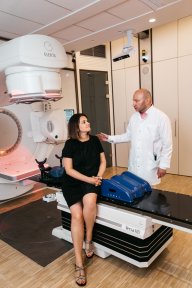
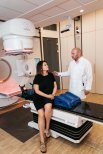
Consultation before radiotherapy at Medical Center in Solingen, advanced cancer treatment
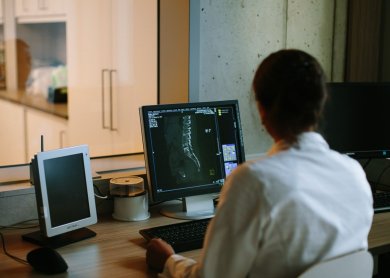
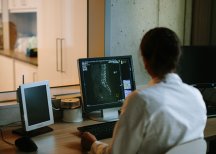
Doctor reviews spinal MRI results after herniated disc surgery at Medical Center in Solingen
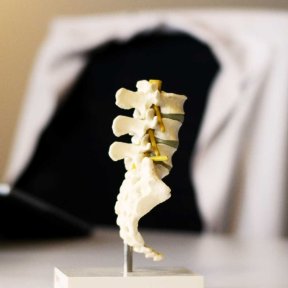
Herniated disc surgery result at Medical Center in Solingen – improved spine alignment
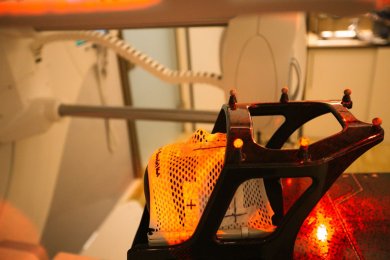
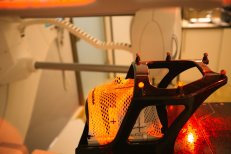
Radiotherapy mask for head and neck cancer treatment at Medical Center in Solingen
Spine surgeon at Medical Center in Solingen, expert in herniated disc surgery procedures
Medical Center in Solingen logo, Städtisches Klinikum branding for hospital and clinic
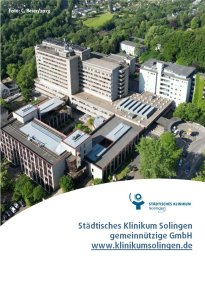
Aerial view of Medical Center in Solingen, modern hospital surrounded by greenery
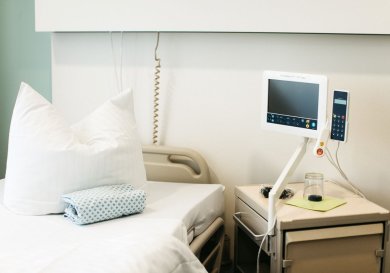
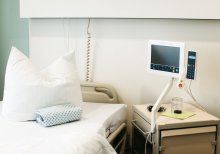
Patient recovery room at Medical Center in Solingen after herniated disc surgery procedure
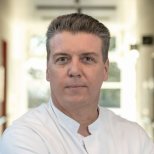
Ralf Buhl

Ralf Buhl

4 良い8 レビュー
28年の経験
4000+件の治療実績
クリニックは認証済み
Best doctor for herniated disc treatment
German Cancer Society
所在地: ドイツ, ゾーリンゲン
クリニック:
4.7
Medical Center in Solingen

ブール博士はドイツとヨーロッパで活動する著名な脳神経外科医であり、多くの科学論文の著者であり、様々な医学組織から賞賛と賞を受けています。

ブール博士は、椎間板病理(椎間板ヘルニア、変形性関節症、骨折など)、脳性麻痺、末梢神経系病理の治療における専門家として認められています。彼は悪性脳腫瘍、先天性および後天性血管異常の手術を行います。

医学実践の他にも、彼は活発に研究に従事しています。彼は医学博士であり、ヨーロッパの医学雑誌に彼の科学的な作品を発表しています。2016年には、神経病理学の問題に関する47の科学論文を発表しました。特に脳転移手術のテーマに関する彼の記事は非常に人気があります。

ブール博士は、頭蓋内のカーヴェルノーマの治療、脳転移に対する外科的治療および他の脳神経外科の領域に関する科学的な研究と研究を行っています。

ブール博士は、脳腫瘍の研究に専念する基金を共同設立しました。


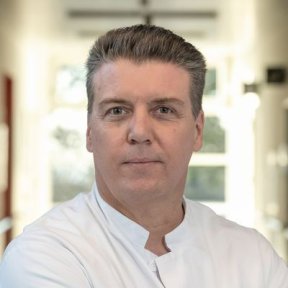
ラルフ・ブール教授、脳神経外科医

ゾーリンゲンでのラルフ・ブール教授とブキメッドチーム


専門分野:

- 脳と脊髄の手術(コンピューター化されたニューロナビゲーション)

- 神経腫瘍学

- 血管病理

- 椎間板疾患:変形性関節症、椎間板ヘルニアおよび骨折。

- 末梢神経系の病理

- 最小侵襲手術、顕微手術および内視鏡手術

診察お問い合わせください
Medical Center in Solingen
Andreas Sesterhenn

Andreas Sesterhenn

26年の経験
クリニックは認証済み
Best doctor for herniated disc treatment
German Cancer Society
所在地: ドイツ, ゾーリンゲン
クリニック:
4.7
Medical Center in Solingen

アンドレアス・セスターヘン教授は、ドイツのゾーリンゲンクリニックで耳鼻咽喉科、頭頸部外科、形成外科のチーフ医師です。

この医師は、頭部、首、上気道の腫瘍を慎重に治療することに特化しています。教授は鼻を通して内視鏡手術を行い、1センチまでの切開を通してロボット介入を実施します。

セスターヘン教授は、外科で11年以上の経験を持っています。

職歴

医師は米国ベセスダの健康科学大学で一般医学を学びました。セスターヘンドクターは、ドイツのマールブルクにあるフィリップ大学で耳鼻咽喉科のディプロマを取得しました。

大学院生として、アンドレアス・セスターヘン博士はベルリンのドイツ心臓病センターで働きました。シニアドクターとして、彼はマールブルクの耳鼻咽喉科、頭部、首のクリニックで実習しました。医師は2012年以来ソーリンゲン病院の耳鼻咽喉科のヘッドを務めています。

科学活動

アンドレアス・セスターヘン博士は、78の科学出版物の執筆者および共著者です。

医師の予約

セスターヘン博士のコンサルテーションは1時間です。この医師は患者を診察し、病歴や記録を検討します。教授は、正確な診断を確立し、効果的な治療を選択するために追加の診断を指定します。

患者は、ブックイメッドサービスを通じて医師と予約を取ることができます。サイトにリクエストを提出すると、メディカルドクターが連絡を取り、参加するための最も適した日付と時間を設定します。

手術中のアンドレアス・セスターヘン教授

マイクロ外科での腫瘍除去手術中のアンドレアス・セスターヘン博士。このような介入は最大12時間かかることがあり、医師は二重シフトで働きます。

診察お問い合わせください

海外のクリニックを選ぶことはストレスフルです。800,000名以上の患者をサポートしたBookimedは、お客様の懸念を理解しています。信頼できる医師、最高の価格品質オプション、複雑なケースの解決策を見つける方法を知っています。すべての段階でお客様をご案内いたします。

ヤン・マツィイフスキー

医療コーディネーターチーム責任者

4300+件以上の患者の旅をガイド

Bookimedで3

Germanyの1022名の患者が今月当社を通じて医師を見つけました

完璧な医師マッチングを取得する方法

1

2分のクイズ

目標、予算、スケジュールをお聞かせください

2

人間のマッチング + AI

アルゴリズムがマッチングを見つけ、コーディネーターが適合性を確認します

3

オプション準備完了

価格、パッケージ、日程を比較。コーディネーターとチャット

選択肢に迷っていますか?

専属の Bookimedコーディネーターがお客様のニーズに合わせた完璧な外科医を見つけるお手伝いをします

  • すべての段階で24時間365日サポート
  • 医師とのマッチングサポートとクリニックとの全てのコミュニケーションを処理
  • 旅行、宿泊、送迎を調整します

治療をガイド

医療訓練を受けた専属コーディネーター

Peguy Beaugris
Tetyana Hyrych
Zekra Eldeeb
Victoria Olayinka
Iryna Sydorchuk
Tetiana Ihnatiuk

適切な医師とクリニックの選び方:内部者のヒント

医師やクリニックを選ぶ際は、これらの重要なポイントを覚えておいてください:
資格を確認
ISAPS、JCI、または関連医学会などの機関からの認証を確認してください
成功率を確認
お客様の特定治療に豊富な経験と実績のある医師をお選びください
患者レビューを読む
実際の患者様のBookimedレビューをご覧になり、体験について学んでください
効果的なコミュニケーションの確保
円滑な治療のため言語サポートを提供するクリニックを選んでください。
サービスについて質問
隠れた費用を避けるため、価格に宿泊、現地送迎、アフターケアなどのサービスが含まれているかご確認ください

Bookimed洞察:ドイツのトップ鼻茸専門家(2026)

Bookimedはドイツの鼻茸治療リクエスト19件を調整し、2名のトップ評価専門家と協力しています。この表の医師は国際的資格、臨床専門知識、患者の結果に基づいて選ばれています。2026年ランキングは実際の患者ケースとパートナークリニックの現行プログラムからの検証済みデータを使用して形成されています
順位医師経験適合する方特色クリニックと所在地診察

FAQ

これらのFAQはBookimedを通じて医療支援を求める実際の患者からのものです。回答は経験豊富な医療コーディネーターと信頼できるクリニック代表者が行います。

What are the primary treatment options available in Germany for nasal polyps?

German ENT specialists treat nasal polyps using a stepwise approach focused on reducing inflammation and restoring breathing. Initial therapy typically includes intranasal corticosteroids like mometasone or budesonide. For persistent cases, advanced options include functional endoscopic sinus surgery and monoclonal antibody biologics to prevent recurrence.

  • Medical therapy: Corticosteroid sprays or drops serve as the primary first-line treatment.
  • Biologic injections: Dupilumab and Mepolizumab target Type 2 inflammation in severe cases.
  • Endoscopic surgery: Surgeons use microdebriders for minimally invasive polyp removal without incisions.
  • Saline irrigation: Daily nasal rinsing is standard protocol in 80% of departments.

Bookimed Expert Insight: German university hospitals like Essen or Heidelberg often provide access to clinical trials for new biologics before they reach general clinics. While surgical wait times in the public sector can reach 6 months, academic centers frequently handle 300,000+ patients annually. This high volume allows these institutions to offer more precise diagnostic staging through early CT imaging and IgE testing.

Patient Consensus: Patients note that starting biologics often requires home injection training and emphasize the importance of requesting a biopsy early. Many highlight that following a strict post-operative rinsing routine significantly helps prevent the polyps from returning after surgery.

Are biologic drugs such as Dupilumab accessible in Germany for nasal polyps?

Dupilumab is widely accessible in Germany for chronic rhinosinusitis with nasal polyps. It was the first biologic approved in late 2019. Patients often receive it as an add-on therapy for severe cases. Statutory health insurance typically covers the costs after documented failures of standard treatments.

  • Approval status: Dupilumab was approved in Germany in October 2019.
  • Clinical criteria: Patients must show type 2 inflammation or significant quality-of-life impairment.
  • Usage trend: Biologic use for polyps in Germany rose to 5% by 2023.
  • Treatment history: Insurers require proof of failed surgery or steroid treatments first.

Bookimed Expert Insight: German university hospitals demonstrate higher proficiency in streamlining biologic drug authorizations. Centers like Medical Center in Solingen or Essen University Hospital handle thousands of complex cases annually. These institutions often have dedicated departments that manage the 4–12 week insurance approval process more efficiently than smaller rural practices. Patients should target clinics with over 50,000 annual visits for faster access to these specialized therapies.

Patient Consensus: Patients emphasize the need to keep detailed records of all past nasal sprays and rinses. They note that while approval can take months, the relief from symptoms often postpones the need for further surgeries.

What does the diagnostic work-up for nasal polyps include in German centres?

Diagnostic work-up in German ENT centers follows strict national S2k-Leitlinie protocols. It typically starts with nasal endoscopy for visual confirmation. Advanced imaging and biomarker analysis follow to map sinus anatomy and determine inflammatory endotypes. These processes ensure accurate surgical planning or biologic therapy eligibility.

  • Nasal endoscopy: Surgeons use rigid or flexible cameras to visualize translucent growths.
  • Computed tomography: Low-dose CT scans provide mandatory anatomical mapping before any surgery.
  • Olfactory testing: Validated Sniffin Sticks measure smell loss to track treatment efficacy.
  • Biomarker analysis: Blood eosinophil counts help identify candidates for targeted biologic therapies.

Bookimed Expert Insight: German university hospitals like Essen integrate digital imaging and AI to refine diagnosis. Our data shows clinics like Solingen, where Prof. Dr. Andreas Sesterhenn works, emphasize robotic and endoscopic nasal interventions. This suggests a pattern where high-volume centers prioritize minimally invasive diagnostic precision to reduce recovery times. Choosing a facility with ISO or JCI accreditation often ensures standardized access to these advanced diagnostic technologies.

Which hospitals in Germany are internationally recognised for nasal-polyp care?

Germany hosts internationally recognized centers for nasal polyp care, with top facilities like Charite Berlin and University Hospital Heidelberg consistently appearing in rankings. These institutions offer advanced endoscopic sinus surgery and biologic treatments. Facilities often hold Joint Commission International or ISO certifications to ensure high quality standards.

  • University excellence: Charite Berlin and Heidelberg lead in complex ear, nose, and throat cases.
  • Specialized experts: Prof. Dr. Andreas Sesterhenn in Solingen is a FOCUS-recognized sinus surgery specialist.
  • High volume: Nordwest Clinic in Frankfurt treats over 25,000 ENT patients annually with success.
  • International standards: Asklepios Hospital Barmbek holds MTQUA certification for high-quality medical tourism services.

Bookimed Expert Insight: While top-tier university hospitals handle over 300,000 patients annually, private facilities like Meoclinic in Berlin bridge the gap by offering ISO-certified care with faster appointment scheduling. Larger academic centers typically manage complex cases like Samter's Triad, while municipal hospitals often provide more personalized attention for routine polypectomy.

Patient Consensus: Patients note that major German university hospitals provide world-class expertise and often prefer these public institutions for complex revision surgeries. Most report that English support is common in major cities, though preparing medical records in advance helps navigate the local bureaucracy.

Will nasal polyps grow back after treatment?

Nasal polyps frequently recur because treatment often addresses the growths rather than the underlying chronic inflammation. Approximately 20% to 40% of patients experience regrowth within a few years of surgery. Long-term data suggest recurrence rates can reach 80% over 12 years without consistent management.

  • Recurrence timeline: Regrowth may appear within months or years after successful endoscopic surgery.
  • Surgical outcomes: German centers like Medical Center in Solingen perform specialized endoscopic sinus surgery.
  • High-risk factors: Patients with asthma or aspirin sensitivity face significantly higher risks of faster regrowth.
  • Preventative care: Daily saline irrigation and steroid sprays are essential to maintain clear nasal passages.
  • Biologic therapy: Modern medications like Dupixent help target inflammatory pathways to prevent repeat operations.

Bookimed Expert Insight: German clinics like Asklepios Hospital Barmbek and Essen University Hospital integrate high-volume clinical research into routine care. Data shows that clinics handling over 100,000 patients annually often provide earlier access to biologics. This specialized focus helps reduce the 50% to 70% recurrence risk typical for chronic cases.

Patient Consensus: Patients emphasize that strictly following post-operative steroid routines is vital to preventing early regrowth. Many suggest tracking asthma and allergy triggers aggressively to avoid the need for a second surgery.

What is the typical recovery timeline after endoscopic sinus surgery in Germany?

Most patients return to work within 7 days after endoscopic sinus surgery in Germany. Initial discomfort and congestion peak in the first 48 hours. Internal healing typically requires 4 to 8 weeks for the sinus lining to recover fully. Clinics often provide a 1-week medical certificate initially.

  • Physical activity: Avoid heavy lifting over 4.5kg for at least 14 days.
  • Air travel: Specialists recommend waiting 3 weeks before flying due to pressure.
  • Daily routine: Saline rinses are required 4 times daily to prevent crusting.
  • Post-operative care: Follow-up endoscopies usually occur at 1, 3, and 6 weeks.

Bookimed Expert Insight: German university hospitals like Essen or Heidelberg manage exceptionally high patient volumes, exceeding 300,000 annually. This high frequency often correlates with standardized post-operative protocols. Large centers often utilize digital imaging to track healing precisely during the critical 6-week recovery window.

Patient Consensus: Patients report that the first week involves significant congestion and crusting that feels worse than before surgery. They emphasize that sticking to the strict saline rinse schedule is vital for reaching 70% recovery by the second week.




