ホームページへ
4.6/5
TrustPilot

大韓民国で最高の鼻形成術医師 - トップ0名の医師

大韓民国のトップ鼻形成術医師と価格を比較。こちらで最適なマッチングを見つけてください

大韓民国の3名のトップ鼻形成術専門家から見積もりを取得

ご要望と予算に基づいて最適な医師を厳選いたします

トップ医師

0

大韓民国

レビュー

14000+

実際の患者より

医師サービスで最良価格の国を選択

トップ各国の鼻形成術価格を比較

国をタップしてトップ医師と価格を表示

Ukraine
Thailand
South Korea
Turkey
Mexico
Poland
$1,300 - $3,200
$2,000 - $3,300
$2,200 - $7,200
$2,800 - $7,100
$3,200 - $5,100
$3,500 - $7,000
$0
$2,000
$4,000
$6,000
$8,000

大韓民国の鼻形成術でBookimed患者が実際に支払う費用

最も人気の範囲

$1K

$2K

$3K

$5K

$7K+

$2,600 – $4,800

ほとんどの患者がこの範囲内でお支払いです

正確な費用は選択された医師、技術、治療部位、お客様の個別ニーズによって決まります

お客様のケースに正確な見積もりを取得

海外のクリニックを選ぶことはストレスフルです。800,000名以上の患者をサポートしたBookimedは、お客様の懸念を理解しています。信頼できる医師、最高の価格品質オプション、複雑なケースの解決策を見つける方法を知っています。すべての段階でお客様をご案内いたします。

ヤン・マツィイフスキー

医療コーディネーターチーム責任者

4300+件以上の患者の旅をガイド

Bookimedで3

South Koreaの60名の患者が今月当社を通じて医師を見つけました

完璧な医師マッチングを取得する方法

1

2分のクイズ

目標、予算、スケジュールをお聞かせください

2

人間のマッチング + AI

アルゴリズムがマッチングを見つけ、コーディネーターが適合性を確認します

3

オプション準備完了

価格、パッケージ、日程を比較。コーディネーターとチャット

選択肢に迷っていますか?

専属の Bookimedコーディネーターがお客様のニーズに合わせた完璧な外科医を見つけるお手伝いをします

  • すべての段階で24時間365日サポート
  • 医師とのマッチングサポートとクリニックとの全てのコミュニケーションを処理
  • 旅行、宿泊、送迎を調整します

治療をガイド

医療訓練を受けた専属コーディネーター

Peguy Beaugris
Tetyana Hyrych
Zekra Eldeeb
Victoria Olayinka
Iryna Sydorchuk
Tetiana Ihnatiuk

適切な医師とクリニックの選び方:内部者のヒント

医師やクリニックを選ぶ際は、これらの重要なポイントを覚えておいてください:
資格を確認
ISAPS、JCI、または関連医学会などの機関からの認証を確認してください
成功率を確認
お客様の特定治療に豊富な経験と実績のある医師をお選びください
患者レビューを読む
実際の患者様のBookimedレビューをご覧になり、体験について学んでください
効果的なコミュニケーションの確保
円滑な治療のため言語サポートを提供するクリニックを選んでください。
サービスについて質問
隠れた費用を避けるため、価格に宿泊、現地送迎、アフターケアなどのサービスが含まれているかご確認ください

Bookimed洞察:大韓民国のトップ鼻形成術専門家(2026)

Bookimedは大韓民国の鼻形成術リクエスト106件を調整し、0名のトップ評価専門家と協力しています。この表の医師は国際的資格、臨床専門知識、患者の結果に基づいて選ばれています。2026年ランキングは実際の患者ケースとパートナークリニックの現行プログラムからの検証済みデータを使用して形成されています
順位医師経験適合する方特色クリニックと所在地診察

FAQ:大韓民国の鼻形成術専門医

これらのFAQはBookimedを通じて医療支援を求める実際の患者からのものです。回答は経験豊富な医療コーディネーターと信頼できるクリニック代表者が行います。
What specific certifications should I look for in a Korean rhinoplasty surgeon?

Qualified rhinoplasty surgeons in South Korea must hold board certification from the Korean Society of Plastic and Reconstructive Surgeons (KSPRS). Top specialists often possess advanced Ph.D. degrees and maintain active membership in the Korean Association of Plastic Surgeons (KAPS) for aesthetic excellence.

  • Board certification: Verified surgeons hold KSPRS certification after years of intensive surgical residency training.
  • Academic degrees: Premier doctors like Dr. Im Young Min often hold a Ph.D. in plastic surgery.
  • Specialized research: Leading experts participate in the Korean Rhinoplasty Research Society for advanced nasal techniques.
  • Facility licensing: Clinics must be registered with the Ministry of Health and Welfare to treat patients.

Bookimed Expert Insight: Data reveals that top Seoul specialists prioritize international exposure to refine their techniques. Dr. Lee Jong Seok trained at UChicago Medicine, while Dr. Yong Woo Kim completed training with the American Society for Reconstructive Microsurgery. This cross-cultural training allows surgeons to blend Western precision with Korean aesthetic standards for natural results.

Patient Consensus: Patients note that clinics with board-certified surgeons clearly display their credentials in English and Korean. They say feeling the surgeon's academic depth and focus on nasal anatomy provided significant peace of mind. Many were surprised by the high level of detail in pre-surgical planning.

Do Korean doctors specialize in specific types of rhinoplasty?

Korean plastic surgeons specialize in diverse rhinoplasty techniques tailored to specific structural needs and aesthetic goals. Doctors often focus on revision cases, autologous cartilage grafting, and complex reconstructive procedures. Many experts hold leadership roles in the Korean Rhinoplasty Research Society to refine these specialized methods.

  • Revision rhinoplasty: Expert surgeons focus on correcting previous results and restoring nasal function.
  • Autologous grafting: Doctors use a patient's own rib or ear cartilage for natural results.
  • Reconstructive surgery: Specialists provide care for congenital deformities such as cleft palate nasal issues.
  • Aesthetic refinements: Surgeons specialize in balancing nasal proportions with facial contouring for harmony.

Bookimed Expert Insight: Data shows a high concentration of academic leadership among Seoul's top rhinoplasty specialists. For example, Dr. Kim Young Eun and Dr. Choi Eun Kyu hold significant roles as professors or chairmen in major societies. This academic involvement means patients access surgeons who actually set the national standards for complex nasal reconstruction.

Patient Consensus: Patients note that surgeons in Seoul are very thorough during consultations about nasal bridge height. Many mention feeling relieved that doctors prioritize using their own tissue rather than synthetic implants for safety. People often feel surprised by how much better they can breathe after functional refinements.

How many procedures do top Korean rhinoplasty surgeons typically perform?

Top Korean rhinoplasty surgeons typically perform 300 to 500+ procedures every year. Dedicated specialists in Seoul often complete 1,000+ career cases within their first few years. These experts maintain this volume through focused specialization in facial aesthetics and high patient demand.

  • Annual case volume: Leading surgeons often complete between 200 and 400 surgeries annually.
  • Career milestones: Many established experts have performed over 1,500 procedures throughout their careers.
  • Weekly throughput: Experienced specialists may perform 20+ nose surgeries during a single week.
  • Surgical specialization: Doctors often focus solely on the nose to refine specific techniques.

Bookimed Expert Insight: Data shows that top Korean surgeons like Dr. Yong Woo Kim frequently reach 1,000+ performed operations early in their careers. This results from the high density of clinics in Seoul and a massive influx of international patients. Surgeons here often achieve career totals that would take Western peers decades to match.

Patient Consensus: Patients note that the high volume leads to very efficient clinics and specialized care. While some mention the pace feels fast, they are often impressed by the results. Many feel confident knowing their surgeon handles similar cases every single day.

Will the doctor I consult with be the one performing the actual surgery?

In South Korea, the surgeon you consult with typically leads your rhinoplasty. Top specialists like Dr. Kim Sung Sik at JK Plastic Surgery Center or Dr. Im Young Min at VG Plastic Surgery take full responsibility for your procedure. They oversee every step to meet safety standards.

  • Lead surgeon role: The attending specialist remains legally and ethically responsible for your entire surgery.
  • Team environment: Resident doctors or assistants may help with minor tasks like prepping or closing.
  • Critical portions: Principal surgeons must be in the operating room during all vital surgical steps.
  • Informed consent: Doctors explain the roles of all team members before the start of the procedure.

Bookimed Expert Insight: Data shows that senior leaders often personally handle complex cases. Dr. Kim Dong Gul, President at POP Plastic Surgery, and Dr. Park Young Kyu, Adjunct Professor at SoonChunHyang University, often manage precision surgeries. Choosing a doctor with international fellowships, like those from Columbia or UChicago, often indicates a preference for direct surgical involvement.

Patient Consensus: Patients note it is vital to ask if the head doctor will be in the room the whole time. Some travelers noticed that larger clinics involve more assistants than smaller boutique offices. They felt safer after confirming their chosen surgeon would handle the main nasal reconstruction.

How do Korean doctors decide what nose shape is best for a patient?

South Korean surgeons determine the ideal nose shape by applying precise mathematical ratios to achieve facial harmony. They balance the nasofrontal and nasolabial angles while using 3D-CT scans to evaluate internal bone structures. This data-driven approach ensures the selected nose line complements each patient's unique facial proportions.

  • Golden ratio analysis: Surgeons measure vertical facial thirds to ensure the nose length matches other features.
  • Angular precision: Doctors calculate the specific degree between the forehead and bridge for natural transitions.
  • Diagnostic imaging: Specialized 3D-CT scans detect septal deviation and bone width before any surgical planning.
  • Customized nose lines: Specialists offer straight, curved, or semi-curved bridges to match specific face shapes.

Bookimed Expert Insight: Many leading Korean rhinoplasty specialists, such as Dr. Lee Jong Seok at Wonjin Plastic Surgery, hold memberships in the Korean Rhinoplasty Research Society. This focused academic background means surgeons prioritize functional internal structure alongside aesthetics. Dr. Yong Woo Kim at Returning Plastic Surgery even earned the highest residency exam score in the country, reflecting the high standard of technical training required to master these complex facial measurements.

Patient Consensus: Patients note that doctors use virtual simulations during consultations to show exactly how different nose shapes would look on their faces. They often feel reassured by the technical detail, mentioning that surgeons explain how a straight bridge creates a modern look while a slightly curved tip appears softer. Many are surprised by how much effort goes into keeping their original ethnic features while improving overall facial balance.

What materials do Korean doctors prefer for nasal bridge augmentation?

South Korean surgeons primarily prefer silicone implants for nasal bridge augmentation due to their permanent shape and stability. These specialists often customize implants on-site to match individual bone structures perfectly. For natural results, they frequently combine synthetic bridges with autologous cartilage for the nasal tip.

  • Silicone implants: Preferred for primary rhinoplasty because they are easy to carve and remove.
  • Autologous rib cartilage: Used in complex revision cases for superior biocompatibility and structural strength.
  • Custom 3D implants: Surgeons use CT scans to create pre-carved silicone for a precise fit.
  • Diced cartilage fascia: This technique involves wrapping cartilage in tissue for a natural, soft feel.

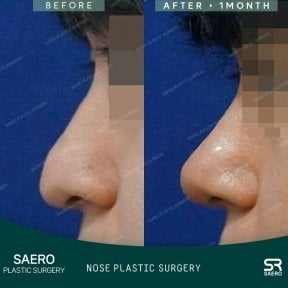
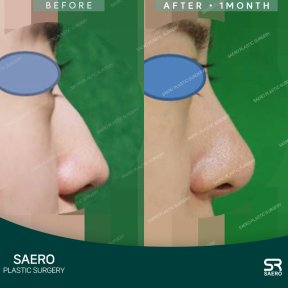
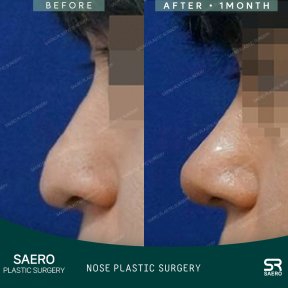
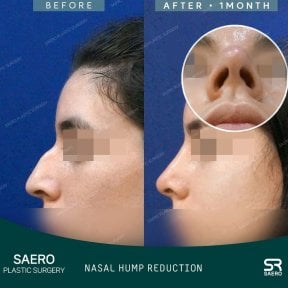
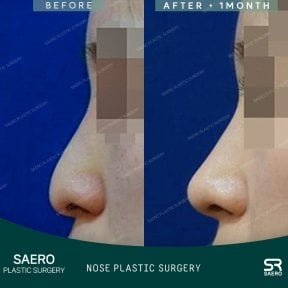
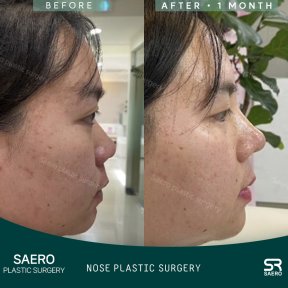
Bookimed Expert Insight: A notable trend among Seoul specialists is the use of 'soft silicone' to prevent the common issue of implants appearing through thin skin. Dr. Park Young Kyu at SAERO Plastic Surgery and Dr. Im Young Min at VG Plastic Surgery emphasize precision in material selection to reduce revision rates. This focus on customized carving, rather than off-the-shelf sizes, sets Korean aesthetic practices apart.

Patient Consensus: Patients note that while rib cartilage feels more like natural tissue, silicone provides a much more predictable and sharp bridge profile. Many feel relieved that surgeons in Seoul take the time to sculpt implants during the operation to ensure a snug fit. Those who chose septal cartilage for the tip say it feels flexible and moves naturally when they smile.

How do Korean clinics handle post-operative follow-ups for international patients?

South Korean clinics manage post-operative care through a structured two-phase process. Patients receive intensive on-site monitoring for the first 14 days. This includes suture removal and specialized de-swelling therapies. Modern remote systems then track recovery through messaging apps for several months.

  • On-site recovery: Surgeons perform check-ups and dressing changes during the first week.
  • De-swelling therapy: Clinics use LED lights and oxygen therapy to speed up healing.
  • Medical coordination: Multilingual coordinators provide translated instructions and handle all logistics.
  • Remote monitoring: Doctors review photos at one, three, and six months post-surgery.

Bookimed Expert Insight: Top surgeons like Dr. Kim Dong Gul at POP Plastic Surgery integrate specialized recovery protocols. Leading Seoul clinics often combine aesthetic surgery with advanced regenerative treatments. This dual focus helps patients return to work faster than standard methods allow. Bookimed coordinators manage all your travel documentation and clinic communication for a smooth experience.

Patient Consensus: Patients mention feeling very supported by the constant presence of their coordinators. They note that the daily LED treatments at the clinic reduced their bruising quickly. Many felt relieved having direct access to their medical team through KakaoTalk after returning home.