Hospital de la Familia
メキシコでの肥満外科手術は、特に海外からの肥満患者にとって、肥満を解消するための双方にとって有益な解決策となっています。同国では、胃スリーブ手術、胃バイパス手術、1吻合胃バイパス手術(OAGB)など、最も人気のある術式を含む、あらゆる減量手術を提供しています。中でも胃スリーブ手術が最も多く行われており、次いで胃バイパス手術、OAGBの順となっています。
メキシコでの減量手術は選ぶ価値があるのか?
2019年の統計によると、民間クリニックでは年間100件から500件の手術が行われていました。年間総手術件数は8,887件で、そのうち1,033件が内視鏡を用いて行われました。
さらに、国の人口統計データによると、メキシコはラテンアメリカで最も肥満率が高い国です。20歳から39歳の成人の67.6%、40歳から59歳の83.4%が何らかの過体重または肥満の状態にあり、肥満人口は約9,400万人にのぼります。
注目すべきは、肥満外科手術の約2,706件(30.4%)がメキシコ北部で行われているという点です。その主な理由は、医療ツーリズムのために海外からの患者が同地を訪れるためです。
メキシコは時間をかけて、肥満外科手術サービスの効率性、有効性、安全性を向上させてきました。ますます多くの病院が質の高いツールと基準を確立しており、高度に専門的な人的資源、物理的資源、活動基準のおかげで認定を取得しています。
メキシコ当局は、縫合材料、ドレーン、ストレインなどに関する外科医の多様な好みを調整することで、外科手術の標準化に成功しました。
今日、メキシコでは腹腔鏡を用いた低侵襲手術がますます一般的になっています。患者は痛みが少なく、合併症も少なく、傷跡も最小限で、回復も早くなります。
例えば、ティフアナには、プレミアムな医療サービスを受けるために世界中から何千人もの患者が訪れます。
メキシコの医師は腹腔鏡下肥満外科手術の専門家です。彼らは、アメリカ代謝・肥満外科医学会(ASMBS)、国際肥満・代謝疾患外科連盟(IFSO)、アメリカ外科学会(ACS)、およびメキシコ肥満・代謝疾患外科学会など、この地域の主要な肥満・腹腔鏡医学会の認定医であり、会員でもあります。
メキシコでは、患者は手頃な価格で安全な減量手術を受けることができます。つまり、米国では胃スリーブ手術に数万ドルかかる可能性があるのに対し、外科医の費用、麻酔科医の費用、検査費用、回復期の滞在費を含めた同じ手術が、5,000ドルから受けられるということです。
メキシコでの減量手術の費用はいくらですか?
メキシコでの減量手術の費用は、米国や欧米諸国と比較して大幅に低く、かつオールインクルーシブの減量手術を患者に提供しています。メキシコでの減量手術の正確な費用を知りたい方のために、主な減量手術の料金表を以下に示します。
|
手術の種類 |
価格 |
|
胃スリーブ手術(スリーブ状胃切除術) |
4500ドルから
|
|
胃バイパス手術 |
6000ドルから |
|
胃バンディング手術 |
4500ドルから
|
|
胃ステープル留置術 |
1500ドルから |
|
胃切除術 |
10776ドルから |
|
十二指腸スイッチ手術 |
6500ドルから |
|
ミニ胃バイパス手術 |
5500ドルから |
|
胃内バルーン留置術 |
2500ドルから |
例えば、主要な肥満外科病院の一つであるHospital de la Familiaでは、以下の減量手術を提供しています。
-
胃バイパス手術
-
腹腔鏡下スリーブ状胃切除術
-
胃内バルーン留置術
パッケージには、患者がメキシコでの手術中に必要とするすべてのものが含まれています。
-
術前・術後の入院費および諸費用
-
経験豊富な認定肥満外科医
-
麻酔科医の費用
-
術前検査、X線検査
-
合併症補償(オプション)
-
薬、持ち帰り用薬
-
栄養士によるコンサルテーション
-
術後のビタミンケアパッケージ
-
オンラインサポート
専用の送迎サービスはオプションであり、すべての病院のパッケージに含まれているわけではありません。この情報は、メキシコの特定の減量クリニックの公式ウェブサイト、またはBookimedプラットフォームで確認する必要があります。
なぜメキシコでは手術がこれほど安いのですか?
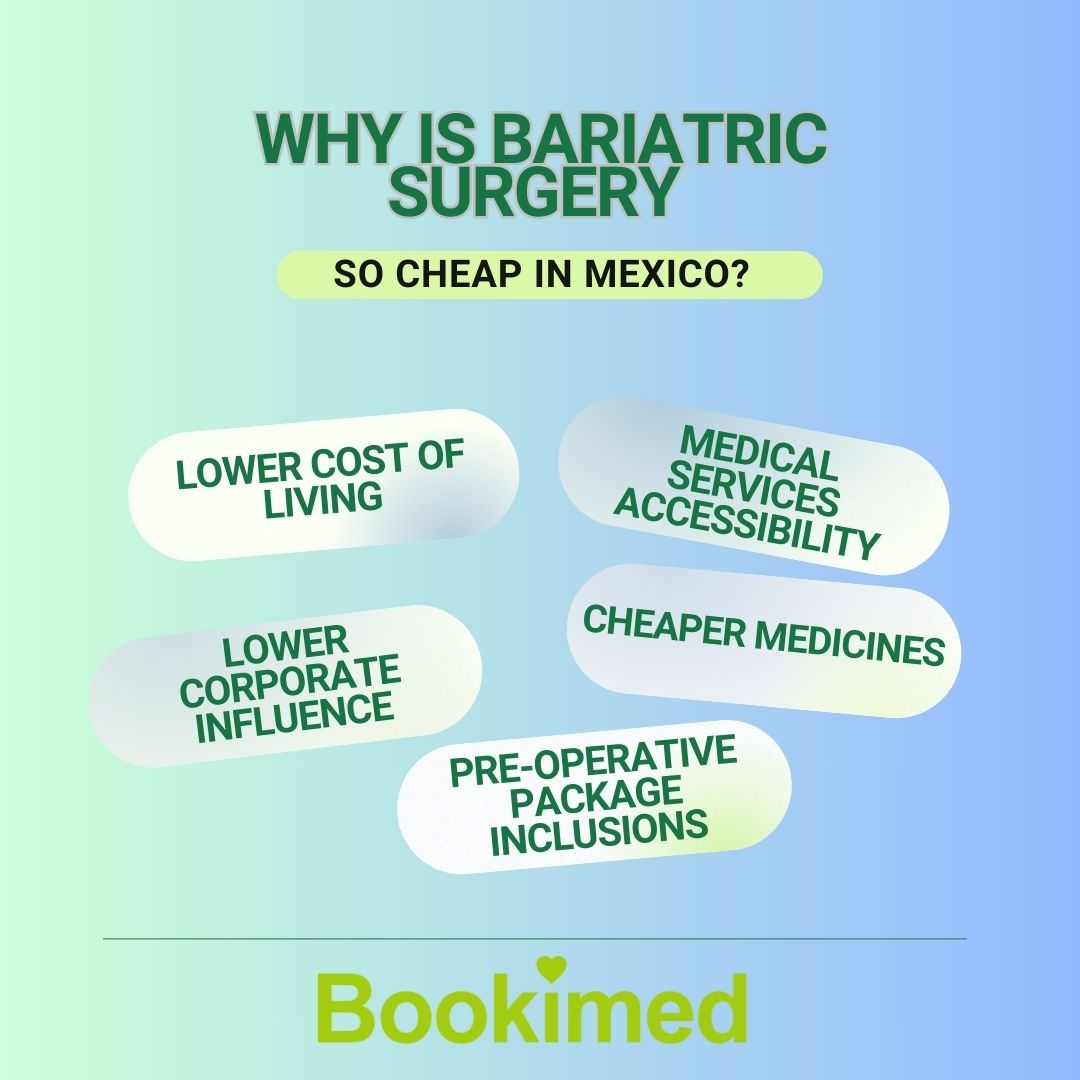
メキシコでの肥満外科手術が、例えば米国よりも手頃な価格である主な理由は、生活費の低さ、医療サービスのアクセスの良さ(つまり、手続きが簡素化されているため、あらゆる外科手術をより簡単に受けることができる)、そして高度な技術の利用可能性です。術前検査はすでにパッケージに含まれており、比較的安価な薬と企業の影響力の低さも理由です。
肥満外科クリニックの費用はいくらですか?メキシコでの減量手術の価格は、主に以下の要因によって決まります。
-
手術の種類。合計価格は、選択する手術の種類によって異なります。これは、手術の複雑さと所要時間が異なるためです。
-
外科医の専門知識。経験豊富な外科医を選ぶことは最終的な費用に影響しますが、安全性や治療の効率性を含む高い手術基準を保証します。
-
病院の認定。通常、国際的な認定を受け、最高水準の施設を持つクリニックは料金が高くなります。メキシコの多くの病院は、JCIや国際肥満外科センター・オブ・エクセレンスなどの評判の良い国際機関から認定を受けており、世界的に承認された医療プロトコルを遵守しています。
-
パッケージに含まれるもの。減量手術パッケージに含まれる追加サービスによって価格が上がる場合があります。ただし、医療機関によって異なる可能性があるため、病院のウェブサイトでこの情報を確認することをお勧めします。
例えば、Hospital de la Familiaでは、胃内バルーン手術パッケージが2,850ドルからというオールインクルーシブの肥満外科手術を提供しています。
このような包括的なパッケージには、術前検査、初回コンサルテーション、術後の質の高い治療、入院、麻酔、医療従事者によるケア、宿泊施設、さらには送迎までが含まれる場合があります。
-
アフターケアサービス。栄養指導やフォローアップのコンサルテーションは追加費用がかかる場合がありますが、長期的な成功のためには不可欠なオプションです。適切な支援があれば、患者は回復プロセスを正しく進めることができます。
メキシコにおける減量手術の主要な拠点はどこですか?
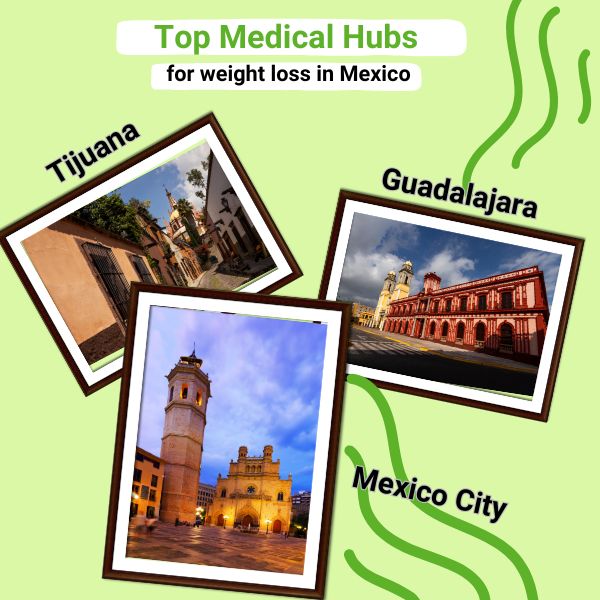
ティフアナは肥満外科手術の主要な目的地であり、メキシコで最も安価な減量手術を提供しています。米国と同じ医療基準に従い、品質と手頃な価格を維持しています。米国国境のすぐ近くに位置するティフアナは、高度な技術を持つ認定肥満外科医がいることで有名になりました。
メキシコのティフアナにおける減量手術の医療費は、他の人気観光地よりも低くなっています。それでも、ティフアナでの減量手術の料金は、どのような手術を受けるかによって異なります。胃バイパス手術は胃スリーブ手術よりも少し複雑です。そのため、ティフアナでの減量手術の費用は高くなります。
グアダラハラ。ここもメキシコで減量手術を受けるのに最適な場所の一つと考えられています。ここでの減量手術の平均価格は8,440ドルからです。米国では同じ手術に17,000ドルから26,000ドルかかります。例えば、胃バイパス手術はグアダラハラでは6,300ドルですが、米国では同じ手術に23,000ドルかかります。
例えば、メキシコ肥満・代謝疾患外科学会(Colegio Mexicano de Cirugia para la Obesidad y Enfermedades Metabolicas)の認定を受けたClínica Integral de Cirugía de Obesidadでは、宿泊施設込みの標準的な胃バイパス手術パッケージを提供しています。このオファーの価格は7,800ドルです。
メキシコシティ、メキシコの首都は、国の中心部に位置しています。医療サービスと施設の多様性で海外からの患者を惹きつけています。メキシコシティでの減量手術の平均価格は6,340ドルで、3,061ドルからとなっています。一方、米国では25,000ドルかかります。
メキシコで最も良い減量手術は何ですか?
胃バイパス手術は最も要望の多い術式の一つであり、メキシコで最高の減量手術の一つです。この手術では、小さな胃のポケットが作られ、小腸が再接続されます。この手術は一般的にカロリー摂取量を減らし、カロリー吸収を制限します。
スリーブ状胃切除術は2番目に人気のある減量手術で、空腹ホルモンを減少させ、胃の容量を制限します。
胃内バルーン留置術は3番目に優れた手術で、内視鏡を介して胃の中に医療用バルーンを挿入します。生理食塩水で満たされたバルーンが胃の中のスペースを占めるため、患者は食事量が減り、早く満腹感を得ることができます。
メキシコで減量手術を受けるのに最も安全な場所はどこですか?
「メキシコでの減量手術は安全ですか?」という質問について、簡単に説明しましょう。安全基準に関して、メキシコには医療機関の安全性と適格性を判断する2つの組織があります。
-
米国で最も尊敬され、厳しい病院認定機関である国際合同委員会(JCI)が、メキシコの病院を認定しています。
認定を受けるには、病院は1,200の具体的なデータポイントを持つ300の基準について詳細な検査に合格しなければなりません。メキシコにはJCI認定病院が4つあり、そこで減量手術を受けるのは安全であることを意味します。
-
もう一つの組織はCSG(El Consejo de Salubridad General)で、「総合保健評議会」を意味します。国際的な患者の安全を保証するための特定の基準セットを持っています。メキシコでは8つの病院がCSG認定を受けています。
米国国境の南に位置するティフアナは、医療ツーリズム、特に肥満外科手術の人気の目的地となっています。カリフォルニア州サンディエゴに近いため、多くのアメリカ人が質の高い医療サービスを受けるためにここを訪れます。
したがって、ティフアナがメキシコの肥満外科サービスにおいて最も安全な都市と言える理由です。減量外科医は、米国と同様の質の高いケアを提供し、高い安全基準を遵守しています。医療施設には国際的な認定を受けた高度な訓練を受けた医師と最新の医療技術が備わっており、医療提供者は厳格な安全基準を遵守しています。
メキシコで減量手術の承認を得るのは難しいですか?

メキシコで減量手術の承認を得ることは、米国などの他の国よりも簡単です。メキシコの肥満外科クリニックは、保険の承認を必要としないため、官僚的な問題を減らした合理的なプロセスを提供しています。
手術前に、各患者は手術を受けるのに十分な健康状態であるかどうかを判断するために、特定の評価を完了する必要があります。
-
BMI。BMIが30を超える場合、糖尿病、高血圧、心臓病など、健康に影響を与える体重関連の疾患がない限り、肥満外科手術を受けることはできません。
-
病歴。外科医は、すでに肥満外科手術を受けたものの減量に失敗した患者の手術をためらうことがあります。
-
健康リスク。患者が合併症を引き起こす可能性のある心疾患を患っている場合、外科的介入や麻酔はリスクが高すぎる可能性があります。
-
喫煙。外科医は、肥満外科手術の少なくとも6週間前に禁煙するよう患者に求めます。禁煙できない場合、手術を受けることはできません。
-
心理的な懸念。肥満外科手術後の変化に対して感情的または心理的に準備ができていない場合。そのため、一部の患者は、この挑戦に備えるために心理テストを受ける必要があります。
なぜアメリカ人は減量手術のためにメキシコに行くのですか?
ここ数年、より多くのアメリカ人やカナダ人が肥満外科手術のためにメキシコを訪れています。実際、メキシコは質の高い患者ケアサービス、手頃な価格、米国やカナダに近いという立地から、主要な目的地と考えられています。
コストを抑えた医療サービスのため、アメリカ人は減量手術のためにティフアナに向かっています。例えば、胃スリーブ手術には平均4,500ドルから6,000ドルを支払いますが、米国では10,000ドルから20,000ドルに達します。メキシコでの胃バイパス手術は通常5,900ドルから7,000ドルですが、米国での価格は15,000ドルから30,000ドルに達する可能性があります。
米国の患者は、自国で支払うよりも最大65%安く手術を受けられると期待しています。
メキシコの外科医は、アメリカ代謝・肥満外科医学会、メキシコ一般外科学会、スペイン外科学会などの会員です。これは、彼らの高い能力と専門知識を意味しており、そのため米国の患者はこの国を減量手術にとって魅力的な場所だと感じています。
|
手術 |
メキシコ |
米国 |
カナダ |
|
胃スリーブ手術 |
4,500ドルから |
14,000ドルから |
15,000ドルから |
|
胃バイパス手術 |
6,000ドルから |
10,000ドルから |
18,000ドルから |
|
胃バンディング手術 |
4,500ドルから |
5,200ドルから |
5,000ドルから |
私の保険はメキシコでの手術をカバーしますか?
多くのアメリカの健康保険パッケージには、海外で行われる医療処置に対する補償が限定的であるか、全く含まれていません。一部の保険会社は、米国国境近くの特定の緊急事態を除き、米国外での患者ケアサービスをカバーしていません。
一部の米国の民間保険会社は国際的な補償を提供していますが、これは異なる場合があります。したがって、患者はメキシコでの補償範囲を理解するために、保険の詳細を確認する必要があります。
同時に、メキシコには公的医療と民間医療の両方の選択肢があります。公的医療はメキシコ市民と居住者を対象としており、民間医療は外国人が利用でき、米国と比較してより手頃な価格です。
参考文献:
-
Maldonado Pintado Diana Gabriela; Márquez González Stephany Michelle; Wimber Arellano Mayte. Bariatric surgery in Mexico. Practice characteristics in 2019. ソース: https://www.medigraphic.com/cgi-bin/new/resumenI.cgi?IDARTICULO=109770
-
Prevalence of overweight and obesity in adults in Mexico as of 2023, by age. ソース: https://www.statista.com/statistics/1376625/overweight-obesity-prevalence-by-age-mexico/
-
Health Insurance and Healthcare in Mexico Explained. ソース: https://www.internations.org/mexico-expats/guide/healthcare