Ofer Merimsky
- 4.5 良い • 170 レビュー
- 41年の経験
- 認定:
- イスラエル, テルアビブ, Sourasky Medical Center (Ichilov)
スラスキー医療センターで41 年以上の経験を持つ、腎臓がんの凍結療法における第一人者。
- 軟部組織および骨腫瘍学を専門とする
- パリのギュスターヴ・ルッシー研究所にて肉腫治療のフェローシップ修了
- ESMO肉腫ファカルティグループのメンバー
- 腫瘍治療に関する広範な研究を発表
- 続きを読む
診察
お問い合わせください
スラスキー医療センターで41 年以上の経験を持つ、腎臓がんの凍結療法における第一人者。
サリド医師は腎臓がんの凍結療法を専門としており、オックスフォード大学で腫瘍泌尿器科の訓練を受けました。ソウラスキー医療センターのシニア腫瘍医です。
主任医師および教授。四川大学華西病院(中国第2位)がんセンターの第1級専門家。中国人民解放軍総病院にてインターベンション放射線学の博士研究員課程を修了。複雑な腫瘍に対する多職種チーム(MDT)ケアを主導。肝臓がん、肺がん、膵臓がんに対する低侵襲インターベンション腫瘍学の専門家。
認定:WATA理事。CACAおよびCMDAのインターベンション、アブレーション、放射性シード、疼痛に関する委員会のメンバー。2023年、四川省医師会緩和ケア委員会の初代理事メンバーに就任。Chinese Journal of Interventional Imaging and Therapyの編集委員。Chinese Journal of Pain Medicineの編集委員。
2つの省科学技術プロジェクトおよび2つのNSFCプロジェクトを主導。40本以上の論文を発表し、30本以上で筆頭著者または責任著者を務める。最高インパクトファクター:10.73。肝細胞がん(HCC)コホート:TACE + レンバチニブ vs TACE + ソラフェニブ。OS(全生存期間)18.97ヶ月 vs 10.77ヶ月。PFS(無増悪生存期間)10.6ヶ月 vs 5.4ヶ月。ORR(客観的奏効率)66.8% vs 33.3%。
何偉兵(He Weibing)医師は、20年以上の臨床経験を持つ中国におけるアルゴン・ヘリウム凍結アブレーションのパイオニアです。広州の復大腫瘍病院(Fuda Cancer Hospital)の創設メンバーであり、低侵襲腫瘍治療センターの共同設立者として副院長を務めました。また、中国抗癌協会の凍結治療グループの設立にも貢献しました。10,000件以上の手術で主執刀医を務めています。
腫瘍の凍結アブレーションを専門とし、ヨウ素125シード線源を用いた小線源治療にも精通しており、特に肝臓がんや肺がんに注力しています。10種類のアルゴン・ヘリウム技術を提案しました。共同執筆した主なデータには、肺凍結療法 n=508、非小細胞肺がん(NSCLC) n=120(完全奏効 25.5%、部分奏効 41.8%、6/12/24ヶ月生存率 64%/55%/36%)、膵臓がん n=38(生存期間中央値 12ヶ月)などがあります。2008年と2010年には編集委員を務めました。2001年よりVarian社およびBoston Scientific社のナショナルトレーナーを務めています。
羅暁平教授は、中国西部で全国的に認められたインターベンション放射線科医であり、第一人者です。1990年代初頭に血管インターベンションの先駆的な取り組みを開始しました。重慶医科大学付属第二病院のインターベンション・グループの設立に貢献しました。
10万件以上のインターベンション手技を完了しており、そのうち約4,000件が複雑な症例です。主なスキルには、肝細胞癌に対するTACE、バッド・キアリ症候群のインターベンション、TIPS、肝門部胆管閉塞に対する一期的両側ステント留置術が含まれ、成功率は100%に近いです。2007年から修士課程の指導教員を務めています。多くの医師を育成し、中国西部の40以上の主要病院で複雑な症例を指導し、インターベンションプログラムの構築を支援してきました。筆頭著者または責任著者として32本の論文を発表しています(CSCDコア22本、中国コア4本、CSCD拡張6本)。
肖越勇教授は、中国人民解放軍総病院放射線診断科の主任医師です。低侵襲インターベンション腫瘍学の第一人者です。WATA(2025年〜)の初代会長を務めています。国際(2020年〜)およびアジア(2012年〜)凍結療法学会の会長です。また、腫瘍アブレーション規制に関するNHC専門家グループの副代表(2009年〜)も務めています。
CT/MRIガイド下での低侵襲手術を10万件以上実施してきました。化学アブレーション、RFA、MWA、凍結アブレーション、NanoKnife(IRE)を専門としています。中国にNanoKnifeアブレーションを導入し、発展させました。腫瘍凍結アブレーションとNanoKnifeに関する初の国家基準を主導しました。
受賞歴には、国家特別貢献賞(終身名誉)などがあります。中国医学教育協会から一等賞(2021年)を受賞しました。軍事医学功績賞で二等賞を2回(2016年、2018年)、中国抗癌協会から二等賞を2回(2019年、2022年)受賞しました。アジアのアブレーションマスターに選ばれました。研究実績には13件の中国特許が含まれます。4つのNSFCプロジェクトと1つのMOSTプロジェクトの主任研究員です。200本以上の論文を発表しており、そのうち110本以上が筆頭著者または責任著者であり、40本以上がSCIジャーナルに掲載されています。10件以上のアブレーションガイドラインやコンセンサス声明を主導してきました。
ソラック医師は、主要ながんセンターであるハジェテペ大学がん研究所およびMDアンダーソンがんセンターで腫瘍学の研修を受けました。
腫瘍内科教授、_doctor_7215_年以上の経験を持つサグラム医師は、Gayrettepe Florence Nightingale病院にて消化器腫瘍学を専門としています。
ドロール・レヴィン医師は、スラスキー医療センターの小児血液腫瘍科を専門とするシニア小児科医です。
Medical Park Antalya病院コンプレックスにて腎臓がんの凍結療法を専門とし、腫瘍内科において豊富な経験を持つ。
Zhang Jinshan, male, China’s First M.D. in the Radiation Medicine, CCI (Chinese College of Interventionalists) Master Interventionalist, Director of the Department of Former Radiological Diagnosis at Chinese PLA General Hospital(No.3 in China) Ph.D. of Medicine, Nagasaki University, Japan.
1980–1985: Completed doctoral studies at Nagasaki University, Japan
1968–present: Department of Radiology, Chinese PLA General Hospital
1988: Third Prize of the Military Science and Technology Progress Award
1989–present: Member of Radiological Society of North America(RSNA)
1990–2009: Standing Committee Member of the Radiology and Therapeutic Radiology Committee of the PLA
1991: Second Prize of the Military Science and Technology Progress Award
1992–2008: Group Leader of the Group of Intervention of Chinese Journal of Radiology
1992–2015: Standing Editorial Board Member and Editorial Board Member of Journal of Interventional Radiology
1993: Granted the Lifetime Special Government Allowance of the State Council
1993–2012: Deputy Chief Editor of Chinese Journal of Medical Image Technology
1994: Third Prize of the Military Science and Technology Progress Award
1997: Second Prize of the Military Science and Technology Progress Award
1997–2009: Standing Member of Chinese Society of Radiology
1999: Third Prize of the Military Science and Technology Progress Award
1999–2010: Deputy Director Member of Chinese Society of Interventional Oncology
2002: Second Prize of the Military Science and Technology Progress Award
2005: Third Prize of the Military Science and Technology Progress Award
Member of Radiological Society of North America(RSNA)
Standing Member of Chinese Society of Radiology
Group Leader of the Group of Intervention of Chinese Journal of Radiology
Deputy Director Member of Chinese Society of Interventional Oncology
Director Member of Beijing Medical Association Society of Interventional Radiology
Deputy Chief Editor of Chinese Journal of Medical Image Technology
Standing Member of Professional Committee of Radiological Medicine of the Chinese People’s Liberation Army
Standing Editorial Board Member and Editorial Board Member of Journal of Interventional Radiology
Awarded the Special Government Allowance of the State Council
Awarded three Second Prizes and four Third Prizes for Military Science and Technology Progress.
Awarded the honorary title of “Chinese College of Interventionalists(CCI) Master Interventionalist”
Led multiple national and provincial/ministerial scientific research projects, including two projects funded by the National Natural Science Foundation of China and two projects funded by the Department of Science and Technology of Sichuan Province.
In the pioneering development of interventional medicine in China, Zhang Jinshan has been an indispensable founder and leading figure. As China’s first overseas-trained doctoral graduate in radiological medicine, he returned to China in the 1980s after completing his studies abroad and introduced cutting-edge international interventional technologies to the country. Over more than four decades of dedicated practice and research, he has helped propel Chinese interventional medicine from its infancy to a position at the forefront of the global field through his exceptional clinical expertise and profound academic accomplishments.
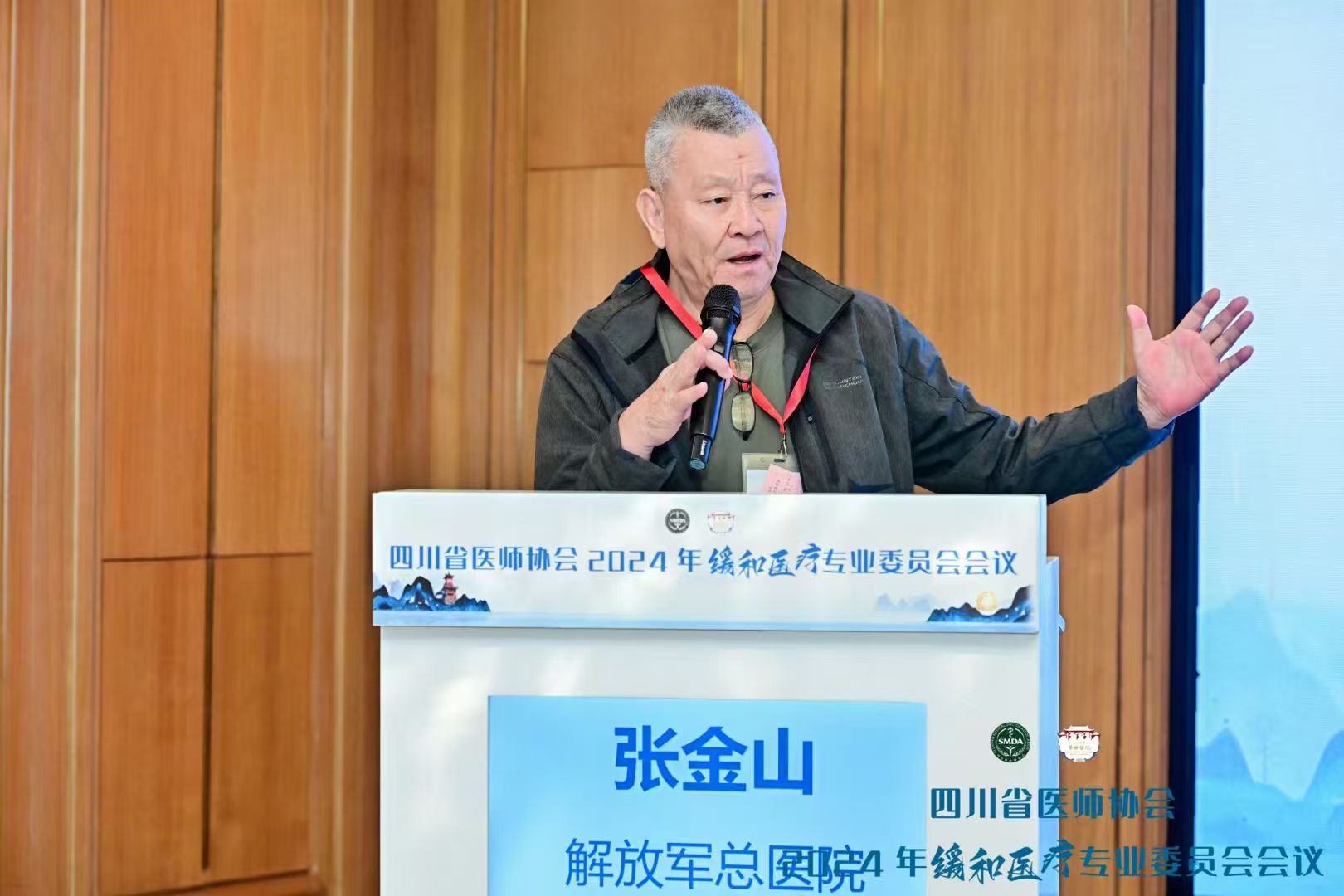
Professor Zhang Jinshan has long been dedicated to the field of medical imaging and has developed distinctive expertise in selective and superselective interventional diagnosis and treatment for solid tumors such as liver cancer, demonstrating exceptional technical proficiency and profound academic accomplishment. Beginning in the 1990s, he led his team in pioneering the clinical application and research of TIPSS and B-ORTO in China, filling major gaps in the domestic field and opening new paths for the interventional management of gastrointestinal bleeding caused by portal hypertension secondary to liver cirrhosis. In addition, he has made groundbreaking contributions to the interventional diagnosis and treatment of peripheral vascular diseases, as well as to preoperative embolization for spinal tumors.
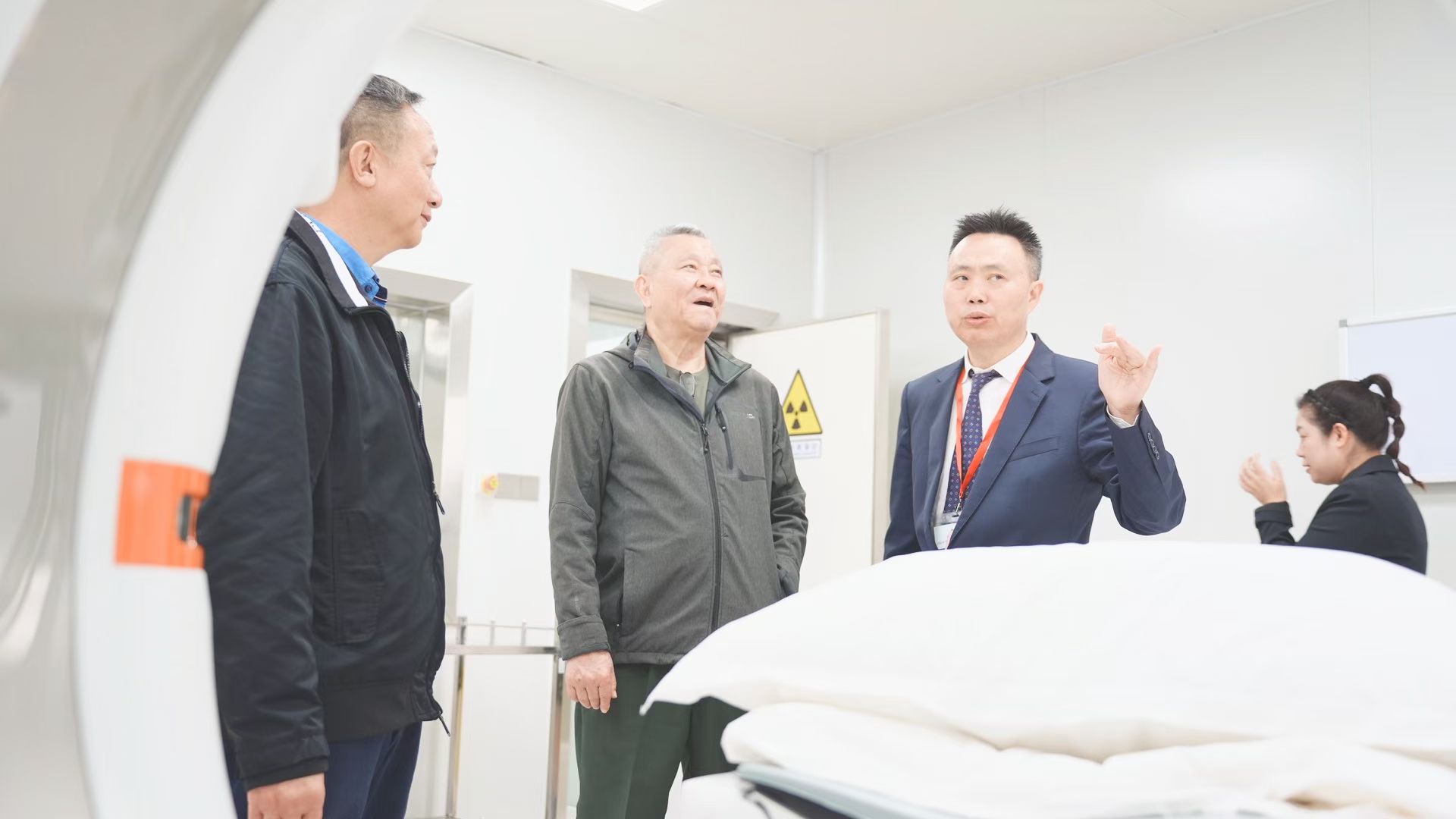
In the field of liver cancer treatment, Professor Zhang Jinshan not only led the development of standardized treatment protocols for liver cancer but also pioneered Transcatheter Arterial Chemoembolization with temporary Hepatic Vein Thrombosis (TACE-THVO) for primary liver cancer, bringing the efficacy of interventional therapy to a new level. In recognition of his outstanding clinical and scientific contributions, he was awarded the honorary title of “Chinese Master of Interventional Radiology” at the 2019 annual conference of the Chinese College of Interventionalists.
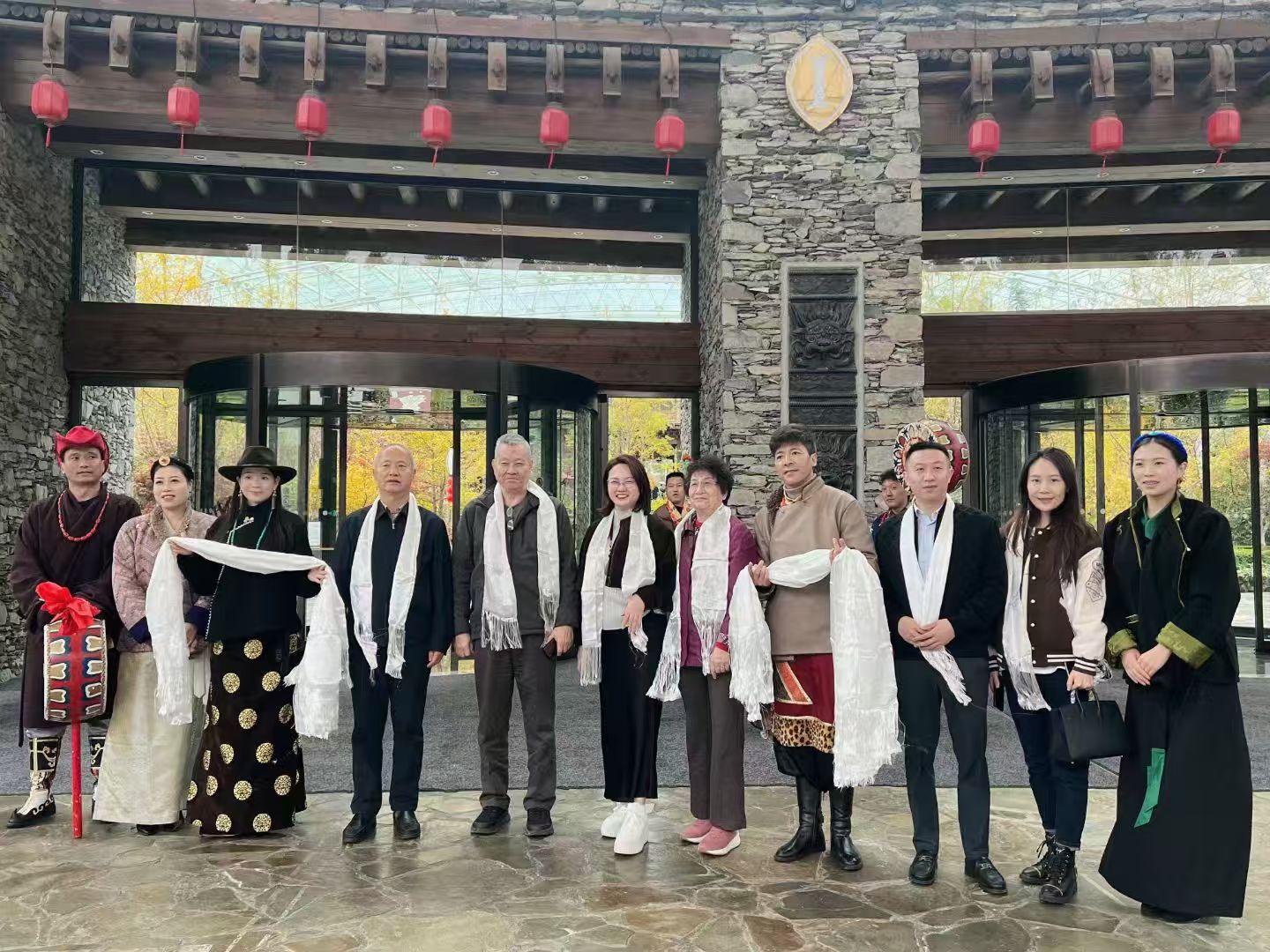
Professor Zhang Jinshan is not only a master clinician but also a driving force in the development of the discipline and a dedicated mentor in talent cultivation. He led his team in establishing one of China’s premier interventional therapy centers. As a doctoral supervisor, he has trained a large number of outstanding specialists and future leaders in interventional medicine, with many of his students and protégés now serving across the country. Academically, he has led multiple key national and military research projects, published more than 300 academic papers, and served as chief editor of three monographs, making remarkable contributions to the establishment of China’s academic framework for interventional medicine and the nationwide dissemination of its technologies.
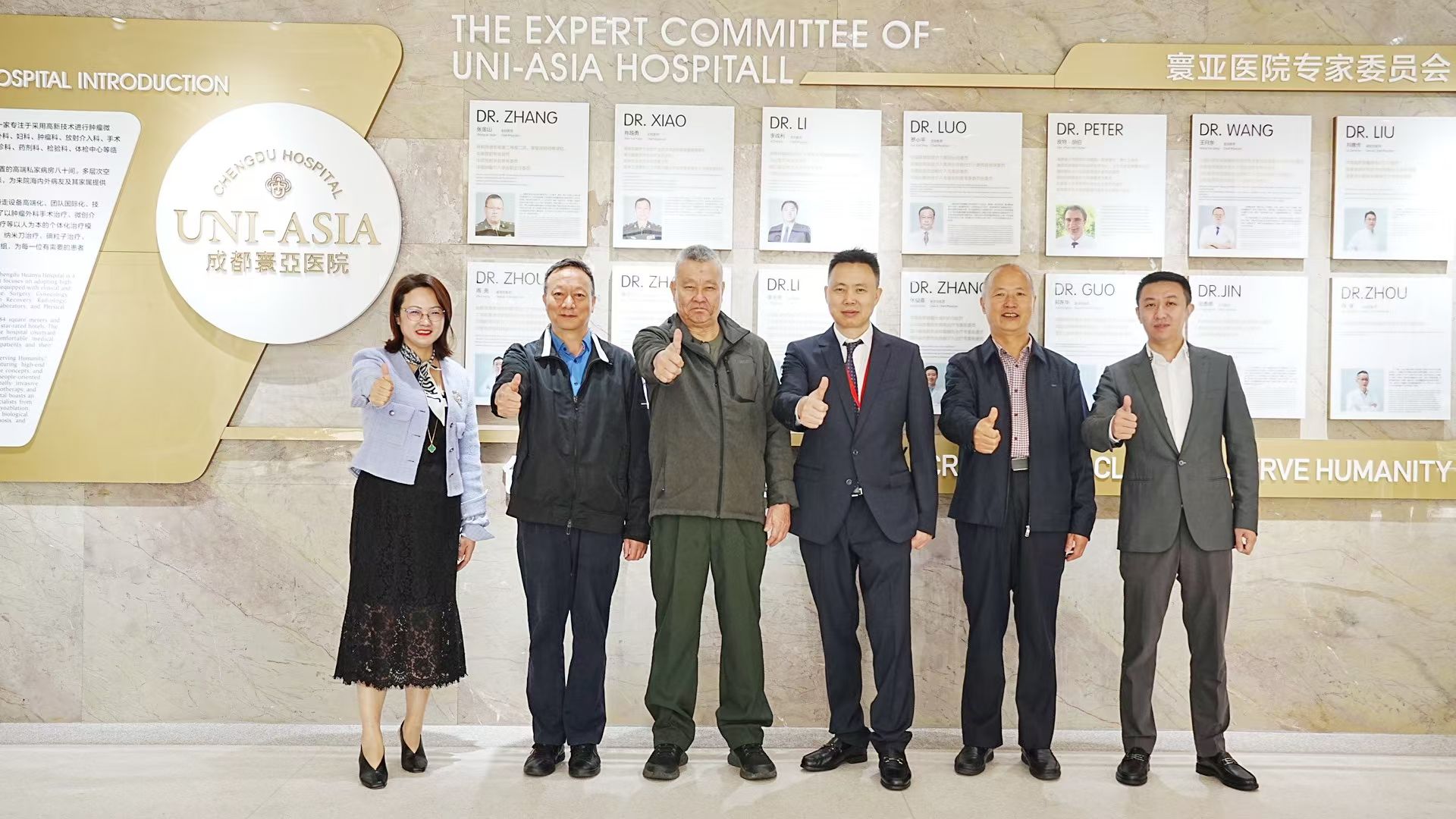
From the laboratory to the operating room, and from academic podiums to grassroots hospitals, Professor Zhang Jinshan has consistently upheld the principles of “pioneering, innovation, pragmatism, and compassion". He has devoted his life to fulfilling the mission of a physician—relieving patients’ suffering through minimally invasive techniques and advancing the discipline through academic excellence—thereby establishing himself as a truly towering figure and one of the foremost authorities in the field of interventional medicine in China.
Professor Zhang Jinshan has achieved prolific academic accomplishments, having published over 300 academic papers covering areas such as interventional therapy for liver cancer, minimally invasive treatment of portal hypertension, interventional treatment of vascular diseases, and tumor ablation.
1. Zhang Jinshan, Wang Maoqiang. Experiments and Clinical Studies of transjugular intrahepatic portosystemic stent shunt (TIPSS). Chinese Journal of Radiology, 1993,27(6):361-365.
Professor Zhang Jinshan is the first author. This is one of the early research papers in China that systematically elaborates on the TIPSS technique. Through animal experiments and clinical case analysis, it confirmed that TIPSS is a safe and effective minimally invasive method for treating portal hypertension and its complications, laying an important foundation for the promotion and application of this technique in China.
2.Zhang Jinshan, Li Huai. Clinical study on transcatheter arterial embolization with temporary hepatic vein occlusion for the treatment of primary liver cancer.Chinese Journal of Radiology, 1996,30(8):521-524.
Professor Zhang Jinshan is the first author. He innovatively proposed the technique of "transcatheter arterial embolization with temporary hepatic vein occlusion." Clinical results demonstrated that this method can significantly increase the drug concentration within liver cancer lesions, reduce damage to normal liver tissue, and effectively improve the therapeutic outcomes for intermediate and advanced liver cancer, providing a novel strategy for the interventional treatment of liver cancer.
3. Zhang Jinshan, Wang Maoqiang, Li Huai. Interventional treatment of Budd-Chiari syndrome. Chinese Journal of Medical Imaging Technology, 1998,14(3):189-191.
Professor Zhang Jinshan is the first author. This paper systematically summarizes the early experience in interventional treatment of Budd-Chiari syndrome in China, elaborating in detail on the key operational points and therapeutic efficacy of techniques such as percutaneous transluminal angioplasty and stent placement. It confirms that interventional therapy is the preferred minimally invasive method for Budd-Chiari syndrome, promoting the standardized development of treatment for this disease.
4.Zhang Jinshan, Li Huai, Wang Maoqiang. Clinical value of superselective hepatic arterial chemoembolization in the treatment of hypovascular liver cancer. Chinese Journal of Radiology, 2000,34(5):335-337.
Professor Zhang Jinshan is the first author. Addressing the challenges in interventional treatment of hypovascular liver cancer, this paper explores the clinical efficacy of superselective hepatic arterial chemoembolization. The results indicate that this technique can precisely target the lesions and improve the treatment response rate, providing an important clinical basis for the interventional treatment of hypovascular liver cancer.
5. Zhang Jinshan, Li Huai, Wang Maoqiang. Interventional treatment of peripheral vascular stenosis and occlusion.Chinese Journal of Radiology, 2002,36(7):612-614.
Professor Zhang Jinshan is the first author. This paper summarizes the interventional treatment experience of over 400 patients with peripheral vascular stenosis and occlusion, analyzing the indications and efficacy of techniques such as balloon angioplasty and stent placement. It confirms that interventional therapy is a safe and effective approach for peripheral vascular diseases, providing practical support for its clinical promotion.
6.Zhang Jinshan, Li Huai, Wang Maoqiang. Clinical application of CT-guided percutaneous puncture ablation in the treatment of abdominal tumors. Chinese Journal of Medical Imaging Technology, 2004,20(9):1395-1397.
Professor Zhang Jinshan is the first author. This paper explores the application value of CT-guided percutaneous puncture techniques such as radiofrequency ablation and chemical ablation in the treatment of abdominal tumors. The clinical results show that this method is minimally invasive with reliable efficacy, offering a minimally invasive treatment option for patients with inoperable abdominal tumors.
7.Zhang Jinshan, Wang Maoqiang, Li Huai. Advances in the application of interventional therapy for benign prostatic hyperplasia. Chinese Journal of Radiology, 2006,40(8):876-878.
Professor Zhang Jinshan is the corresponding author. This paper systematically reviews the cutting-edge advances in interventional therapy for benign prostatic hyperplasia, including the principles, procedures, and efficacy of techniques such as prostatic artery embolization and stent placement, providing new insights for the minimally invasive treatment of benign prostatic hyperplasia.
8.Zhang Jinshan, Li Huai, Wang Maoqiang. Discussion on the standardization of interventional therapy for liver cancer. Chinese Journal of Practical Surgery, 2008,28(10):856-858.
Professor Zhang Jinshan is the corresponding author. Drawing on years of clinical experience and research findings, he led the discussion on standardized protocols for interventional therapy of liver cancer, covering key aspects such as preoperative assessment, treatment modality selection, and postoperative management, providing important references for the formulation of clinical guidelines for interventional therapy of liver cancer in China.
1. Interventional Radiology (People's Military Medical Press, 1995): The first monograph in China to systematically discuss the theories and techniques of interventional radiology. It comprehensively elaborates on the interventional diagnosis and treatment system for tumors, vascular diseases, and non-vascular diseases, becoming a classic essential textbook for interventional physicians in China.
2.Interventional Therapy for Liver Cancer (People's Health Press, 2001): Focusing on minimally invasive interventions for liver cancer, this book systematically summarizes techniques such as TACE, ablation, and vascular intervention, refines operational standards and the prevention and management of complications, and promotes the standardization of interventional therapy for liver cancer.
3.Interventional Treatment of Portal Hypertension (Science Press, 2005): This book systematically elaborates on minimally invasive techniques for portal hypertension, such as TIPSS and B-ORTO, covering experimental research, clinical procedures, long-term follow-up, and efficacy evaluation, filling the gap in monographs on interventional treatment of portal hypertension in China.
1.The National "Eighth Five-Year Plan" Scientific and Technological Key Project—Clinical and Basic Research on Comprehensive Interventional Therapy for Liver Cancer (Project Leader): This project systematically explored multimodal interventional strategies for liver cancer, established the core regimen of superselective TACE combined with local ablation, and significantly improved the therapeutic outcomes for intermediate and advanced liver cancer.
2.The Military "Ninth Five-Year Plan" Key Medical Scientific Research Project—Standardized Research on TIPSS for the Treatment of Portal Hypertension (Project Leader): This project formulated China's first operational standards and postoperative management guidelines for TIPSS, reduced the incidence of complications, and promoted the popularization of this technique throughout the military and across the country.
3.National Natural Science Foundation of China Project — Research on the Mechanism of Targeted Therapy for Liver Cancer Using Hepatic Vein Occlusion Combined with Chemoembolization (Project Leader): This project revealed the synergistic enhancement mechanisms of the innovative technique at the levels of hemodynamics, drug metabolism, and the tumor microenvironment, providing theoretical support for precision interventional therapy of liver cancer.
4.Military Clinical High-Tech Major Project-Establishment and Clinical Application of the Interventional Treatment Technology System for Complex Vascular Diseases (Project Leader): This project overcame interventional challenges in complex lesions such as Budd-Chiari syndrome, peripheral vascular occlusion, and vascular malformations, forming a complete technical system that has been promoted and applied widely.
Gül Alço教授は、約27年の経験を持つ放射線腫瘍医です。乳がん、肺がん、前立腺がん、消化器がん、婦人科がん、中枢神経系腫瘍、頭頸部がん、軟部組織腫瘍、骨腫瘍の放射線治療を行っています。
専門分野は、適応放射線治療とラジオサージャリー(放射線外科)です。高度な放射線技術を駆使し、患者中心の多職種連携環境において、個別化された科学的根拠に基づくケアを提供しています。
アブドラ・サキン教授(Prof. Dr. Abdullah Sakin)は、腫瘍内科の教授です。肺がん、乳がん、消化器がん、泌尿器がん、婦人科がん、頭頸部がん、悪性黒色腫(メラノーマ)などの固形腫瘍を専門としています。
科学的根拠に基づいた個別化医療を提供しています。治療法には、化学療法、分子標的療法、免疫療法、ホルモン療法、精密腫瘍学(プレシジョン・オンコロジー)が含まれます。200本以上の科学論文を執筆しており、国際的な臨床研究にも積極的に参加しています。これらの活動は、患者中心のがん医療の発展に寄与しています。
シュリダール・P.S.医師は放射線療法の専門医であり、バナラス・ヒンドゥー大学および国家試験委員会で広範なトレーニングを受けています。
Chaitainya Borde医師は、HCG Manavata Cancer Centreにて30,000件以上のPETスキャンを実施し、1,000人以上の甲状腺がん患者を治療してきました。
シュルティ・ケイト医師は、HCGマナヴァタがんセンターにて、腎臓がんの凍結療法を含む高度ながん治療を専門としています。
アーマー・アリフ・シェイク医師は、HCGマナヴァタ・がんセンターにて、頭頸部外科を専門とする外科腫瘍医です。
| 順位 | 医師 | 経験 | 適合する方 | 特色 | クリニックと所在地 | 診察 |
|---|---|---|---|---|---|---|
| #1 | 41年の経験 | 軟部組織腫瘍学 | 肉腫治療の専門訓練を受けた腎腫瘍の凍結療法のエキスパート。ESMO肉腫ファカルティグループのメンバーであり、腫瘍学の分野で積極的に研究を行っている。 | イスラエル | から $950 | |
| #2 | 38年の経験 | 腎臓凍結療法の症例 | オックスフォードで腫瘍泌尿器科の訓練を受け、腎臓凍結療法に特化した専門知識を持つ。臨床試験を主導し、がん治療に関する多数の出版物がある。 | イスラエル | お問い合わせください | |
| #3 | 20年の経験 | 腎臓がん治療 | 世界トップクラスの腫瘍病院であるMDアンダーソンがんセンターで研修。腎臓がんを含む様々ながんを専門としている。 | トルコ | から $100 | |
| #4 | 29年の経験 | 消化器腫瘍学 | 高度な凍結療法技術を用いた消化器腫瘍学を専門とする。Gayrettepe Florence Nightingale病院教授。ESMOおよびASCOの活動的な会員。 | トルコ | から $300 | |
| #5 | 41年の経験 | 小児血液腫瘍学 | 小児の血液疾患および肉腫を専門とする。世界的に有名なリッツォーリ整形外科研究所で研修を受けた。スラスキー医療センターの血液腫瘍科部長を務める。 | イスラエル | お問い合わせください | |
| #6 | 20年の経験 | 腎臓がんの凍結療法 | アクデニズ大学で広範な腫瘍学の研修を受けた凍結療法の専門家。トップクラスの施設で複雑な癌治療の経験を持つ。 | トルコ | お問い合わせください | |
| #7 | 30年の経験 | 腎臓がんに対する放射線療法 | 温熱腫瘍学の高度なトレーニングを受けた放射線療法の専門医。複数の権威ある腫瘍学会の会員です。 | インド | お問い合わせください | |
| #8 | 11年の経験 | 核医学療法 | PETスキャンの豊富な経験を持つ高度な核医学の専門家。核医学療法に関する研究論文を発表。 | インド | お問い合わせください | |
| #9 | 15年の経験 | 泌尿器がん | 凍結療法を含む高度ながん治療を専門とする。インド屈指のがんセンターであるタタ記念病院で研修。ASCOおよびESMOの会員。 | インド | お問い合わせください | |
| #10 | 15年の経験 | 臓器温存がん手術 | がん手術後の機能的リハビリテーションを専門とし、HCGマナヴァタ・がんセンターにて頭頸部外科腫瘍学の訓練を受けています。 | インド | お問い合わせください |