ホームページへ

仕組みについて

クリニック検索プロセスを変革し、シンプル、高速、パーソナルにしました。
いくつかの質問に回答短いクイズで眼瞼形成術の目標を共有してください。
パーソナライズオファーを取得お客様の回答に基づいて厳選された3つのクリニックがカスタマイズされた治療計画と見積もりを提供します。
最良のオプションを選択オファーを比較して最適なクリニックをお選びください。
また、以下の11軒のクリニックすべてをご覧いただけます
820К+ 2014年以降患者がサポートを受けています
50
1,500 クリニック
6K+ レビュー
3K+ 3,000名以上の資格を持つ医師

タイでの眼瞼形成術費用について今すぐご確認ください

タイでの眼瞼形成術の平均価格は$3,250 / 110,500฿、最低価格は$3,000 / 102,000฿、最高価格は$3,500 / 119,000฿です
データは2026年July月時点でBookimedにより検証され、世界132件のクリニックからの患者リクエストと公式見積もりに基づいています。中央値費用は実際の請求書(2024年-2026年)に基づいており毎月更新されます。実際の価格は異なる場合があります。

7月 2026のタイでの特別眼瞼形成術プランをお見逃しなく

施術タイプ
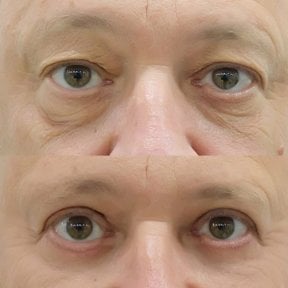
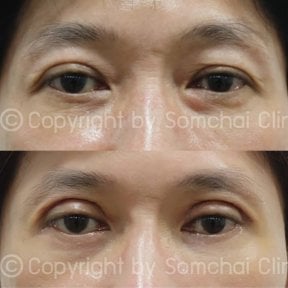
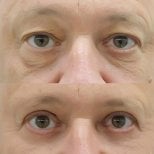
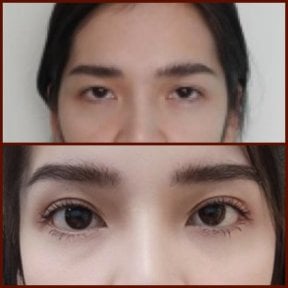
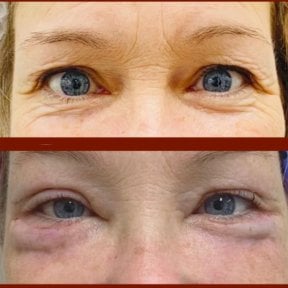
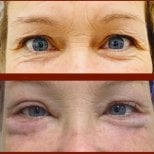
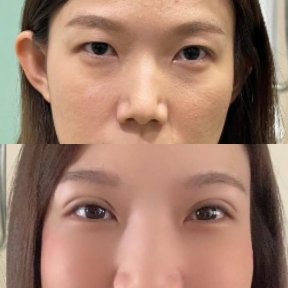
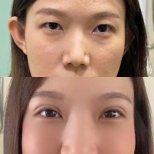
Before and after lower eyelid blepharoplasty results at Somchai Clinic, reduced eye bags
40年の経験
20000 治療

(Blepharoplasty) — All Inclusive Package
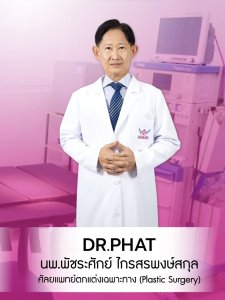
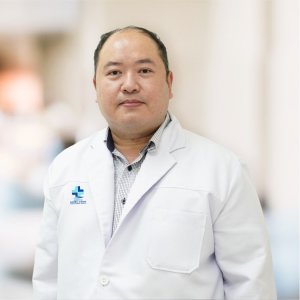
  • Phatcharasak Kraisornphongsakul is board-certified in plastic surgery and known for consistent, detail-oriented cosmetic results.
  • Somchai Clinic is recognized nationally and internationally for delivering safe, standardized cosmetic and dermatological care.
  • Included Services: Video or text consultation.
  • Stay Info: Accommodation and transfers are not included; no hospital or hotel stay is required.
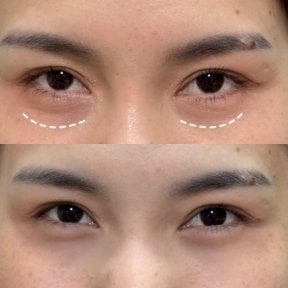
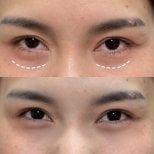
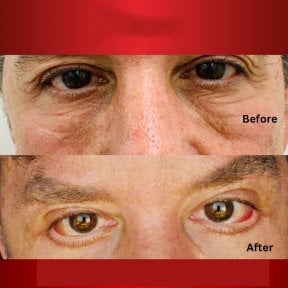
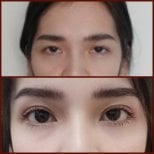
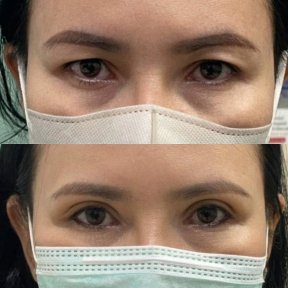
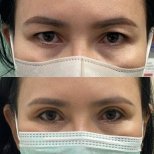
Before and after lower eyelid blepharoplasty at DGB Clinic, visible eye area rejuvenation result
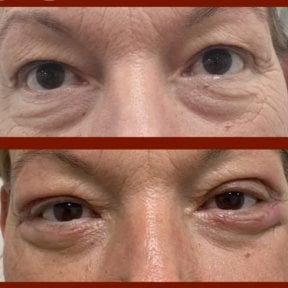
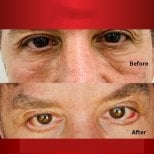
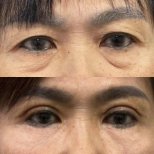
Before and after lower eyelid blepharoplasty results at DGB Clinic, reduced under-eye bags
18年の経験

Premium Upper & Lower Eyelid Blepharoplasty Transfer Included
  • Technique: Upper & Lower Eyelid Blepharoplasty
  • Phatwira Pattarajierapan has presented on gender-affirming surgery at international conferences, reflecting advanced surgical expertise.
  • DGB Clinic serves around 1,000 international plastic surgery patients annually, primarily from Europe, the USA, and Australia.
  • Included Services: Video or text consultation, transfer to the clinic
  • Stay Info: Accommodation and hotel stay are not included in the price.

タイの最高の眼瞼形成術クリニックをご発見ください:11件の認証済み選択肢と料金

クリニックはBookimedのスマートシステムにより、5つの主要基準でのデータサイエンス分析を使用してランク付けされています。
ID Clinic Bangkok
Asia Cosmetic Hospital
Wansiri Hospital
レルクス美容外科クリニック
Intrarat Hospital
11件のクリニックのうち5件をご覧になりました

タイでの眼瞼形成術概要

要点
関連手術・費用
仕組みについて
何が期待できるか
メリット
お支払い
患者様が推奨 -
85%
手術時間 - 2 時間
滞在国での滞在 - 7 日
リハビリテーション - 7 日
麻酔 - 局所麻酔
処理済みリクエスト - 110449
検証済み患者レビュー - 11
Bookimed手数料 - $0

タイでの眼瞼形成術医療診断をお受けください:21名の経験豊富な医師に今すぐご相談

すべての医師を見る
検証済み

Saran Wannachamras

31年の経験

Dr. Saran Wannachamras is the CEO and Head of the Rhinoplasty & Sex Change Department at Wansiri Hospital. He specializes in gender reassignment, breast surgery, and facial reconstruction. Dr. Wannachamras received physician training in plastic surgery at the East Virginia Medical School in the US. He treats over 2,000 international patients annually at Wansiri Hospital.

  • Named the Most Trusted Breast Specialist in Thailand by the Hello Beauty Awards.
  • Member of the Society of Plastic Aesthetic Surgeons of Thailand.
  • Fellow of the International College of Surgeons in Plastic Surgery.
  • Professional member of Operation Smile, focusing on cleft lip and palate repair.
検証済み

Jiraroch Meevassana

22年の経験

チュラロンコン大学にて眼窩周囲の若返り治療を専門とするメーワサナ医師は、ワンシリ病院において眼瞼手術のみを専門に行っています。

  • ASAN大学にて顔面形成外科のトレーニングを修了
  • 精密な眼瞼再建のためのマイクロ血管外科に精通
  • 顔面神経再建技術における高度なトレーニングを修了
  • 米国外科学会(American College of Surgeons)によるATLS認定取得
検証済み

Shananya Varophas

11年の経験

シャナンヤ・ワロパス医師は、タイの最高峰の美容・再建外科学会の会員として、眼瞼手術における専門的な技術を有しています。

  • チュラロンコン記念病院にて形成・再建外科のフェローシップ研修を修了
  • タイ美容形成外科学会および形成・再建外科学会の両学会会員
  • タマサート大学医学部を首席(最優等)で卒業
  • ワンシリ病院にて手術を実施

Bookimed患者のビデオストーリー

Oksana
I have fulfilled my dream. Finally, I won't cry about my hair anymore.
治療: 自毛植毛術
クリニック: Dr. MED
Roman
Just 4 days in Turkey, and I'm already home with a new hair.
治療: 自毛植毛術
クリニック: Hair Clinic
Jamie
Bookimed made this medical trip a breeze.
治療: 性別適合手術
クリニック: Bangkok Plastic Surgery

Bookimedに関するレビュー:患者様の洞察を発見

全レビュー
Janet Parry • フェイスリフト
カタール
Oct 16, 2025
確認済みレビュー。
外科医は非常に熟練しており、彼の縫合は素晴らしいです。
最初の相談から手術、アフターケアまで、すべてのプロセスがよかったです。管理スタッフと手術チームから受けたケアにとても満足しています。看護師さんたちはとても優しかったです。 執刀医はとても腕がよく、縫合も素晴らしかったです。今後もこのクリニックで手術を受けたいと思います。ホテルも素晴らしかったです。
手術の結果は素晴らしく、手術は2回に分けられ、眼瞼下垂は安全性を高め、全身麻酔の時間を短縮するために局所麻酔で行われました。
すべてが良かった。
bookimedサービスについて
私の経験はポジティブで良い結果だった。
Kwie-Hoa • 眼瞼形成術
アメリカ合衆国
Apr 27, 2025
確認済みレビュー。
麻酔科医は私の全身麻酔に関する懸念にもかかわらず、個人的に私に話しかけることはありませんでした。 手術後、気分が悪く眠気があったため、腫れやあざを最小限に抑えるための冷却パックを数時間後までお願いすることができませんでした。看護スタッフがそれを始めるべきだった、または少なくとも冷却パックを提供するべきだったと思います。私は数日間、著しい腫れとあざがありました。 最初の週は見た目が恐ろしかったので、『顔認識』アプリを使うことができませんでした。『新しい顔の見た目』も今でも気に入っていません。顔が引っ張られすぎている感じがします。矯正手術を受けようと思った理由である眼瞼の余分なひだは依然として存在し、改善されていません。
bookimedサービスについて
意見の混在。全体的に良いサービスでしたが、手術の結果は(2ヶ月後)期待していたほどではありませんでした。
Terry • フェイスリフト
オーストラリア
Jul 15, 2024
確認済みレビュー。
ピチェット先生、タクさんとチームの皆様に感謝申し上げます。ここ以外には行きません。最高です。🙏
顔の脂肪移植を含む以前のフェイスリフト手術を受けたことがある私は、Bookimedに相談し、バンコクのDRピセットとの手術予約を受けました。彼の経験に圧倒され、何が可能で何が必要かを彼にアドバイスされました。MISS TAKとその医療チームとの面会で、私は非常にリラックスし、彼女に全幅の信頼を置きました。手術に同意し、翌日に下まぶたの手術のためのフェイスリフトを支払い、病院で全てを確認した後、手術は承認されました。その日手術が終わると、ホテルに戻り、次の診察では私の担当医が顔や目の状態を説明し、確認しました。これは素晴らしい経験で、事実次の手続きのために再度訪れる予定です。DRピセット、MISS TAK、そしてチームに感謝します。ここで以外は行くべきではありません。🙏
経験豊富な専門家 素晴らしいです
すべてに満足しました
bookimedサービスについて
素晴らしい仕事とフォローアップ
Shyanne Muller • ブラジリアンバットリフト
オーストラリア
Dec 29, 2025
確認済みレビュー。
スタッフが親切で親身になってくれたおかげで、私の経験はとても満足のいくものでした。
スタッフが親しみやすく、理解してくれたので、とても楽しく過ごせました。とても居心地がよく、理解が深まりました。このクリニックは誰にでもお勧めできます。私は脂肪吸引とBBLを受けたので、ご想像の通り、とても怖かったです。でも、医療チームはとても落ち着いていて、安心させてくれました。
匿名 • 眼瞼形成術
アメリカ合衆国
Jul 12, 2025
確認済みレビュー。
唯一の問題は、手術後のスタッフの対応でした。私は部屋に入れられ、3時間の回復の間に一度だけチェックされました。夫が一緒にいてくれたのが幸いでした。

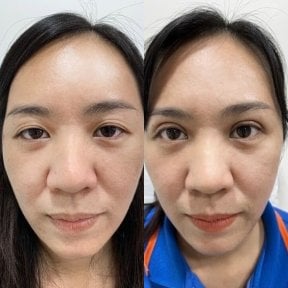
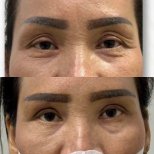
眼瞼形成術: ビフォー・アフター写真

すべてのビフォー&アフターを見る

このコンテンツを共有

更新済み: 12/29/2025
著者
アンナ・レオノヴァ
アンナ・レオノヴァ
コンテンツマーケティングチーム責任者
10年以上の経験を持つ認定医療ライターで、文学修士号を持ち、世界中の医療専門家のインタビューに基づくBookimedの信頼できるコンテンツを開発しています。
Fahad Mawlood
医学編集者・データサイエンティスト
一般開業医。4つの科学賞受賞。西アジアでの勤務経験。アラビア語を話す患者様をサポートする医療チームの元チームリーダー。現在はデータ処理と医療コンテンツの正確性を担当
Fahad Mawlood Linkedin
このページは、さまざまな国で利用可能な各種医療状態、治療、ヘルスケアサービスに関する情報を掲載する場合があります。コンテンツは情報提供のみを目的として提供されており、医療アドバイスやガイダンスとして解釈されるべきではないことをご承知おきください。医療治療を開始または変更する前に、医師または資格のある医療専門家にご相談ください。

眼瞼形成術の基本情報

上下眼瞼手術

上眼瞼および下眼瞼の両方を改善する外科的処置で、眼瞼下垂および下眼瞼の脂肪ヘルニア(眼袋)に対処します。

メリット: 眼窩周囲領域の包括的な改善が得られ、患者満足度は95%です。視野障害などの機能的問題と審美的問題の両方に対応します。/div>
デメリット: 単一眼瞼手術と比較して回復期間が長くなります。症例の80%で一時的な腫脹が生じるリスクがあります。/div>
有効性: 眼瞼機能および外観の改善における成功率は95%です。
手術時間: 2〜3時間
回復期間: 10〜14日間
適応: 上眼瞼の弛緩と下眼瞼の膨隆を両方有する方に適しています。視力障害の改善および顔面審美性の向上を目的とする場合に最適です。
料金: タイでの眼瞼形成術費用$3,000から

タイでの眼瞼形成術に関するFAQ

これらのFAQはBookimedを通じて医療支援を求める実際の患者からのものです。回答は経験豊富な医療コーディネーターと信頼できるクリニック代表者が行います。

How long should I plan to stay in Thailand after my procedure?

Plan to stay in Thailand for 7 to 10 days after upper and lower eyelid surgery. This timeframe allows for initial swelling to subside and vital suture removal on day 7. Most surgeons require a final checkup before granting medical clearance for your flight home.

  • Hospital stay: Most procedures are day cases or require only 1 overnight stay.
  • Suture removal: Plan for clinic visits between day 7 and day 10 officially.
  • Initial recovery: Visible swelling and bruising typically peak during the first 3 to 10 days.
  • Travel clearance: Surgeons usually provide international travel clearance after the final day 10 checkup.

Bookimed Expert Insight: While basic recovery stays emphasize 7 days, Wansiri Hospital and Yanhee International Hospital often suggest 10 to 14 days for international patients. This extra buffer accounts for the high-altitude cabin pressure during long-haul flights, which can exacerbate lingering post-op swelling.

Patient Consensus: Many patients recommend booking return flights for day 10 or later to avoid increased swelling. They also suggest staying near the clinic for the first week to prioritize rest and easy follow-up access.

What safety, training and accreditation standards should I verify when choosing a surgeon in Thailand?

Verify that your surgeon holds specific board certification from the Society of Plastic and Reconstructive Surgeons of Thailand (ThPRS). Ensure the facility maintains Joint Commission International (JCI) accreditation and ISO certification to guarantee rigorous procedural safety, sterilization protocols, and emergency care standards for eyelid surgery.

  • Medical licensure: Confirm active registration through the Medical Council of Thailand (TMC) online verification tool.
  • Specialized training: Prioritize surgeons with specific fellowships in oculoplastic surgery or advanced blepharoplasty certifications.
  • Facility standards: Choose hospitals with JCI accreditation and ISO 9001 certification for superior infection control.
  • Clinical experience: Look for documented experience exceeding 1,000 surgical procedures to ensure refined technical skills.

Bookimed Expert Insight: While many Thai surgeons are board-certified, elite specialists often hold dual international credentials. For example, some top-tier practitioners at clinics like Wansiri or ID Clinic maintain memberships in the American Society of Plastic Surgeons. These international affiliations often correlate with higher patient satisfaction and lower complication rates in complex periorbital procedures.

Patient Consensus: Patients emphasize the importance of choosing surgeons with Western fellowships and clear communication. They recommend cross-referencing international directories like ISAPS to verify specialist training beyond local Thai requirements.

What are the typical risks, complications and warning signs to watch for after blepharoplasty in Thailand?

Blepharoplasty in Thailand is generally safe, but common risks include temporary dry eye, swelling, and bruising lasting 2–4 weeks. Specific complications include asymmetry, overcorrection leading to a hollowed appearance, or lagophthalmos, where the patient cannot fully close their eyes.

  • Ocular health: Chronic dry eye syndrome requires artificial tears for 6 or more weeks.
  • Structural issues: Excessive fat removal may cause eyelid malposition or a sunken, hollowed look.
  • Infection signs: Watch for spreading redness, warmth, or fever over 101°F in humid climates.
  • Vision alerts: Immediate medical attention is required for sudden vision loss or firm eye swelling.

Bookimed Expert Insight: Thai clinics like Yanhee International Hospital and Wansiri Hospital serve over 450,000 and 2,000 patients annually, respectively. High-volume centers often utilize specialized oculoplastic surgeons such as Dr. Warangkana Chaivong. Choosing a specialist over a generalist significantly reduces the risk of over-westernization in Asian double-eyelid procedures.

Patient Consensus: Many patients report that initial asymmetry and intense bruising are stressful. Most recommend staying at least 10–14 days for professional suture removal and monitoring before flying.

How long will it take to recover enough to fly home after combined upper-lower blepharoplasty?

Patients can typically fly home 7 to 10 days after a combined upper-lower blepharoplasty in Thailand. While initial clearance occurs after suture removal, most surgeons recommend a 14-day buffer for long-haul international travel to manage cabin pressure sensitivity and significant post-operative swelling.

  • Travel clearance: Surgeons usually provide medical flight clearance 7 to 10 days post-surgery.
  • Suture removal: Plan to stay in Bangkok or Chiang Mai for 5 to 7 days.
  • Long-haul flights: Wait 3 to 4 weeks for flights exceeding 8 hours to minimize discomfort.
  • Cabin environment: Use artificial tears frequently to combat dry airplane air and ocular irritation.

Bookimed Expert Insight: Data from top-tier Bangkok facilities like Yanhee International and Dr. Chen Surgery Hospital shows a trend toward choosing surgeons with specialized Korean or Japanese training. Dr. Chen Chaicharncheep, for instance, utilizes advanced Korean suture techniques that often result in less trauma. Choosing these specialized approaches can potentially reduce the visible bruising that makes patients feel `flight-ready` sooner, though the biological safety window for air pressure remains 7 to 10 days.

Patient Consensus: Many travelers suggest booking return flights for 10 to 14 days post-op. This timeframe ensures bruising has faded enough for public comfort and aligns with conservative Thai medical advice.

Am I a good candidate for upper and lower blepharoplasty in Thailand?

You are an ideal candidate for upper and lower blepharoplasty in Thailand if you have sagging upper lids, under-eye bags, and good overall health. Success requires realistic expectations and no severe ocular conditions like glaucoma. Thai surgeons specialize in both aesthetic rejuvenation and functional vision correction.

  • Physical health: No uncontrolled diabetes, high blood pressure, or thyroid disease to ensure proper healing.
  • Eye condition: Must be free from severe dry eye syndrome, detached retina, or active infections.
  • Vision issues: Ideal if sagging upper eyelid skin obstructs peripheral vision or causes eye heaviness.
  • Lifestyle habits: Must be a non-smoker or willing to quit weeks before and after surgery.

Bookimed Expert Insight: While many seek low costs, the real advantage in Thailand is specialized volume. Surgeons like Dr. Phatcharasak Kraisornphongsakul at ID Clinic Bangkok have performed over 20,000 procedures. This high repetition often leads to refined techniques for ethnic eye shapes that generalists in the West may lack.

Patient Consensus: Patients with mild to moderate hooding report the highest satisfaction. Most recommend planning 10–14 days for recovery and securing virtual consultations with multiple surgeons to confirm candidacy before flying.

Will the scars be visible after upper and lower blepharoplasty?

Blepharoplasty scars in Thailand are typically nearly invisible once fully healed because surgeons strategically place incisions within the eyes natural anatomy. Upper eyelid scars sit inside the natural crease, while lower lid incisions occur either inside the eyelid or just below the lash line for concealment.

  • Upper lid placement: Surgeons hide incisions within the natural fold to ensure they remain discreet when open.
  • Lower lid techniques: Transconjunctival approaches leave zero external scarring by placing incisions inside the lower eyelid.
  • Subciliary approach: External incisions follow the lower lash line, camouflaged by eyelashes and natural smile lines.
  • Healing timeline: Scars typically flatten and fade from pink to skin-toned between 6 and 12 months.

Bookimed Expert Insight: Thai hospitals like Yanhee and Wansiri serve over 450,000 and 2,000 patients annually, respectively, many seeking eyelid surgery. Data shows that top surgeons like Dr. Chen Chaicharncheep specifically hold advanced Singaporean and Korean certifications in suture and incisional techniques. This specialized training allows for much finer stitches, which is why clinics like Asia Cosmetic Hospital maintain a 0% post-surgery complication rate.

Patient Consensus: Most patients report that while incisions appear red or puffy around 4–6 weeks, they see dramatic improvement by month 3. Real-world feedback confirms that when hidden in natural creases, these scars become barely noticeable or hairline-thin within a year.

What does a typical medical-tourism package include for blepharoplasty in Thailand?

Typical medical tourism packages for blepharoplasty in Thailand bundle surgical fees, local or general anesthesia, and essential pre-operative screenings. These comprehensive deals often include 1–2 nights of hospitalization in world-class facilities like Yanhee International Hospital or Asia Cosmetic Hospital to ensure patient safety.

  • Core services: Includes surgeon fees, operating room usage, and nursing care in JCI-accredited clinics.
  • Medical tests: Covers initial consultations, blood work, and health screenings like ECG or X-rays.
  • Recovery support: Provides post-operative medications, wound dressings, and follow-up visits for suture removal.
  • Travel logistics: Packages frequently bundle VIP airport transfers and 5–14 nights in partner hotels.

Bookimed Expert Insight: While lower-tier deals focus only on surgery, high-volume centers like Yanhee International Hospital integrate long-standing ISO certifications into their standard care. Our data shows that top-rated surgeons, such respectively as Dr. Chen Chaicharncheep, often include specialized Korean incisional techniques. Choosing these established hospitals usually guarantees 24/7 nursing access during your first 48 hours post-op.

Patient Consensus: Patients value how nurses provide gentle, personalized care during recovery. Many recommend budgeting an extra 20% for unexpected needs like compression gear or extended hotel stays if swelling persists.

Which cities or facilities in Thailand are most reputable for eyelid surgery?

Bangkok and Phuket are Thailand's premier hubs for eyelid surgery, featuring JCI-accredited hospitals and specialized boutique clinics. Top-tier facilities like Yanhee International Hospital and ID Clinic Bangkok offer advanced incisional and suture techniques. Surgeons often hold international certifications and specialized Korean-style training.

  • Top city: Bangkok offers the highest density of board-certified plastic and oculoplastic surgeons.
  • Accreditation standards: Leading centers hold JCI and ISO certifications for international safety protocols.
  • Specialized facilities: Yanhee Hospital and Wansiri Hospital provide dedicated departments for complex eye procedures.
  • Surgeon expertise: Dr. Phatcharasak Kraisornphongsakul at ID Clinic has performed over 20,000 procedures.

Bookimed Expert Insight: Data shows a clear trend where patients seeking natural results prioritize Bangkok over resort areas. While Phuket offers recovery in a vacation setting, Bangkok clinics like Asia Cosmetic Hospital maintain lower complication rates. This is likely due to their higher annual volume of over 2,500 patients.

Patient Consensus: Many patients emphasize choosing surgeons with specific oculoplastic training for Asian double-eyelid surgery. They frequently report that the gentle care from nursing staff in Bangkok significantly eases the 10–14 day recovery period.

What are the health risks associated with upper and lower eyelid surgery in Thailand?

Eyelid surgery in Thailand is generally safe when performed by board-certified specialists. Most patients experience temporary side effects like swelling, bruising, or dry eyes. Significant risks like infection, asymmetry, or difficulty closing eyes are rare. These are typically avoided by choosing experienced surgeons at JCI-accredited facilities.

  • Surface side effects: Swelling and bruising are typical and usually subside within 7–14 days.
  • Eyelid position risks: Excessive skin removal can cause ectropion (lower lid drooping). It can also cause difficulty closing eyes completely.
  • Vision changes: Patients may notice temporary blurring. However, permanent vision changes are extremely rare.
  • Infection control: JCI-accredited hospitals like Asia Cosmetic Hospital maintain sterile environments to prevent infections.
  • Anaesthetic safety: High-volume centres like Wansiri Hospital provide dedicated anaesthetist supervision during procedures.

Bookimed Expert Insight: Many clinics offer blepharoplasty, but the safest results come from trained surgeons. Dr Narongdej Jiarapeepan at Wansiri Hospital attended the Melbourne Advanced Facial Anatomy Course. This specialised training is vital for avoiding nerve damage and ensuring symmetrical results.

Patient Consensus: Individuals often praise the precision of Thai surgeons. They specifically note that stitches are exceptionally fine and heal cleanly. The gentle care from nursing staff during recovery is a common highlight for travellers.

How do I select a qualified surgeon for eye surgery in Thailand?

To find a qualified surgeon for eye surgery in Thailand, verify board certification in plastic or oculoplastic surgery. You should also check for international fellowships. Reputable specialists often belong to global bodies like the International Society of Aesthetic Plastic Surgery (ISAPS). They also maintain membership with the Royal College of Surgeons of Thailand.

  • Specialised credentials: Select surgeons with specific fellowships in oculoplastic or facial plastic surgery.
  • Institutional accreditation: Prioritise JCI-accredited hospitals such as Asia Cosmetic Hospital or Yanhee International.
  • International training: Look for surgeons trained in Australia, the USA, or Korea.
  • Procedural volume: High-volume surgeons like Dr Phatcharasak Kraisornphongsakul have performed over 20,000 procedures.

Bookimed Expert Insight: Thai medical regulations are strict, but surgical background matters. Patients should look for specialists like Dr Narongdej Jiarapeepan at Wansiri Hospital. He completed facial anatomy training in Melbourne. This Australian-specific training helps the surgeon understand the aesthetic preferences common to patients from the Oceania region.

Patient Consensus: Patients in Thailand appreciate the gentle care from nurses and the precision of skilled surgeons. Successful recoveries involve clear discussions regarding dry eye risks. Patients should also make realistic follow-up plans for when they return home.

What is the recommended duration of stay in Thailand for eyelid surgery?

Patients should plan to stay in Thailand for 7 to 10 days for eyelid surgery. This timeframe allows enough time for the procedure and essential rest. It also includes a follow-up appointment with the surgeon before flying home. Staying for 10 to 14 days is better for combined upper and lower blepharoplasty.

  • Suture removal schedule: Surgeons typically remove stitches 5–7 days after the procedure before patients travel home.
  • Initial recovery time: Swelling and bruising generally begin to subside within 10–14 days for most patients.
  • Clinical monitoring: Accredited Bangkok clinics like Yanhee International Hospital provide English-speaking staff for post-operative care.
  • Pre-travel preparation: Many Thai clinics offer video teleconsultations to help patients plan their trip length.
  • Physical restrictions: Strenuous activity and heavy lifting must be avoided for 3–6 weeks after surgery.

Bookimed Expert Insight: While many basic packages suggest no hospital stay is required, 24-hour monitoring is helpful. Facilities like Lelux Plastic Surgery Hospital provide private VIP recovery suites for international patients. These rooms allow the medical team to manage swelling immediately after surgery. This often leads to a more comfortable return flight.

Patient Consensus: Travellers recommend staying 7 days for rest and at least one follow-up appointment. Skilled Thai surgeons are praised for their neat stitches and gentle nursing care during early healing.

What techniques are commonly utilised for lower eyelid surgery in Thailand?

Thai clinics use transconjunctival and subciliary incisions alongside fat repositioning to treat lower eyelid bags and sagging. Surgeons often combine these with fat grafting or canthoplasty for periorbital rejuvenation. Leading Bangkok facilities hold JCI accreditation and employ specialists with extensive international training.

  • Transconjunctival approach: Inside-eyelid incision removes fat without visible external scarring for smooth results.
  • Subciliary technique: External lash-line incision removes excess skin and tightens underlying eye muscles.
  • Fat repositioning: Moves internal fat to fill tear troughs instead of simple removal.
  • Combined rejuvenation: Integrates fat grafting or canthopexy to support the lower eyelid structure.

Bookimed Expert Insight: Thai surgeons often hold dual certifications from the Royal College of Surgeons Thailand and the Korean Society of Aesthetic Surgery. This specific training blend leads to many refined suture techniques. Dr Phatcharasak Kraisornphongsakul at ID Clinic Bangkok alone has performed over 20,000 successful procedures.

Patient Consensus: Patients in Thailand report that surgeons are exceptionally skilled with delicate stitching. The gentle care from nursing staff and high quality of surgical teams often exceed their expectations.

What are the key differences between upper and lower eyelid surgery performed in Thailand?

Upper eyelid surgery in Thailand removes excess skin to lift sagging lids. Lower surgery repositions fat to eliminate eye bags. Upper blepharoplasty takes around 1 week to recover. Lower blepharoplasty treats puffiness and requires 2–3 weeks of healing.

  • Target areas: Upper surgery lifts hooded lids. Lower surgery smooths under-eye bags and puffiness.
  • Thai techniques: Surgeons often use transconjunctival incisions behind the lower lid to avoid visible scars.
  • Combination benefits: Patients often combine both procedures for a balanced rejuvenation.
  • Recovery period: Initial swelling subsides in 7 days. Final results usually appear after 1–3 months.

Bookimed Expert Insight: Thai specialists often hold board certifications from both Thailand and Korea. Dr Chen Chaicharncheep, for example, combines Korean aesthetic techniques with Thai surgical precision. This expertise is valuable for patients seeking natural-looking results in complex lower eyelid repositioning.

Patient Consensus: People describe upper eyelid surgery in Thailand as a simple way to look less tired. They recommend checking before-and-after photos for lower eyelid cases. It is vital to check the surgeon has experience with your specific eye shape. Most appreciate the gentle care from surgical teams.

What is the typical recovery process following eyelid surgery in Thailand?

Recovery following eyelid surgery in Thailand is rapid. Most patients return to work and social activities within 7 to 14 days. Initial swelling peaks within 48 hours. Suture removal at JCI-accredited clinics follows between days 5 and 7. Final aesthetic results typically settle over several months.

  • Immediate discharge: Procedures are outpatient. This allows patients to recover in private hotel suites the same day.
  • Head elevation: Sleeping at a 45-degree angle for the first week reduces periorbital swelling.
  • Cold therapy: Applying ice packs for 48–72 hours limits bruising around the incision sites.
  • Suture removal: Dr. Phatcharasak Kraisornphongsakul often removes stitches during a day 5 follow-up.

Bookimed Expert Insight: Most clinics are in Bangkok. Choosing a hospital like Yanhee or Wansiri provides 24-hour medical access. This is safer for patients undergoing combined upper and lower procedures. These high-volume centres serve over 1,000 international patients annually. They also provide HEPA-filtered operating theatres.

Patient Consensus: Patients report that days 2 to 4 look challenging due to bruising. However, nurses are gentle during follow-ups. Most suggest bringing lubricating drops for temporary dry eyes. They also recommend staying near the clinic for the first week.

Can I combine upper and lower eyelid surgery into one operation in Thailand?

Combining upper and lower eyelid surgery into one session is standard in Thailand. Specialists regularly perform combined blepharoplasty within 2 hours. This occurs under local anaesthesia or light sedation. It allows for balanced facial rejuvenation with a single recovery period at JCI-accredited Bangkok hospitals.

  • Unified recovery: Addressing eye bags and hooded lids simultaneously requires only 7–10 days off work.
  • Surgical efficiency: Specialists like Dr Pichet Rodchareon have performed 3,000+ aesthetic procedures using combined techniques.
  • Safety profile: Clinics such as Asia Cosmetic Hospital operate under anaesthetist and cardiologist supervision.
  • Cost profile: Combined surgery typically costs $3,000 to $3,500, saving 65% compared to Australia.

Bookimed Expert Insight: While combined packages often mention no hospital stay, Bookimed data shows premium clinics like DGB Clinic bundle clinic transfers. This is vital for combined cases because post-op swelling can temporarily limit vision. Choosing a package with transport helps you return safely to your hotel after the procedure.

Patient Consensus: Patients in Thailand appreciate the convenience of a single recovery. They report that skilled surgeons produce neat stitches. Many feel the process from initial consultation through surgery and aftercare is seamless and professional.

無料相談を受ける

最適な連絡方法をお選びください